




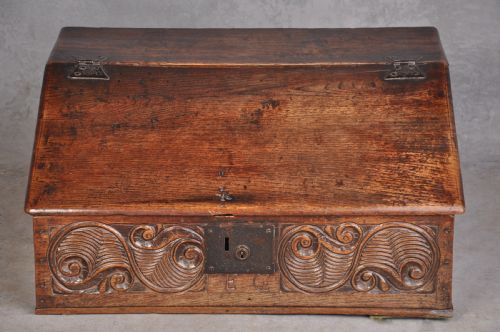
Antique Oak Stationery
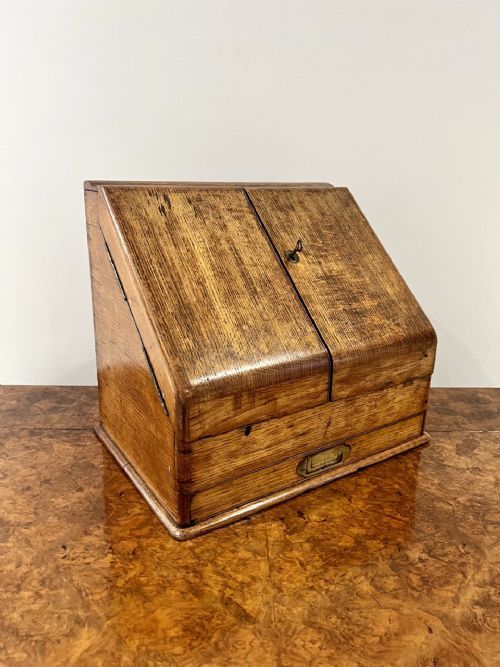
These antique oak stationery pieces span desk boxes, letter boxes and cabinets designed to keep correspondence tidy.
Antique Oak Stationery
When you search for antique oak stationery, you encounter desktop accessories, correspondence boxes, and small office cabinets built to organise letters, papers, and writing implements.
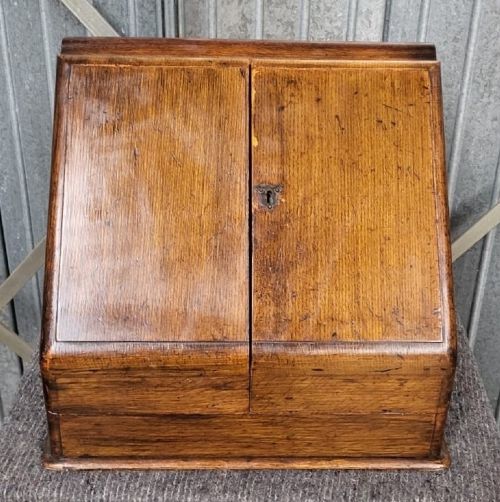
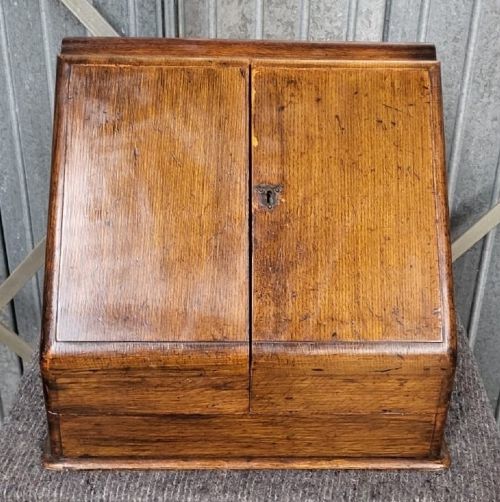
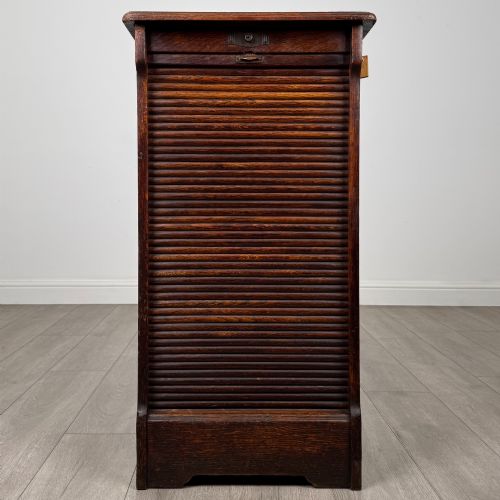
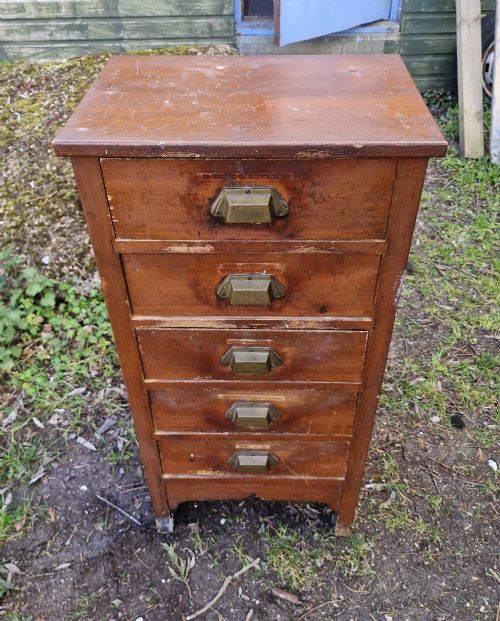
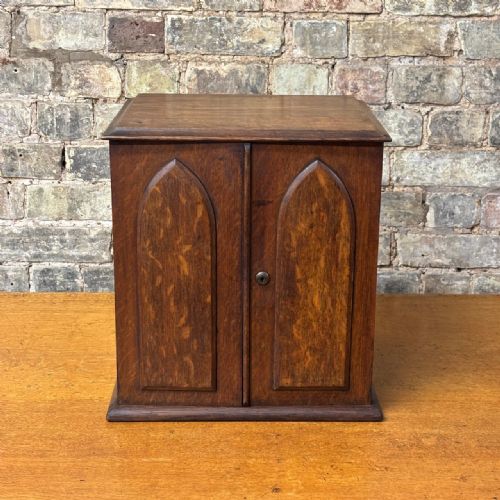
The pieces on this page range from Victorian and Edwardian letter boxes to tambour front office cabinets and fall front desk tidies.
Most examples originate from the nineteenth and early twentieth centuries, reflecting the heavy correspondence demands of Victorian and Edwardian households and offices.
How they were made
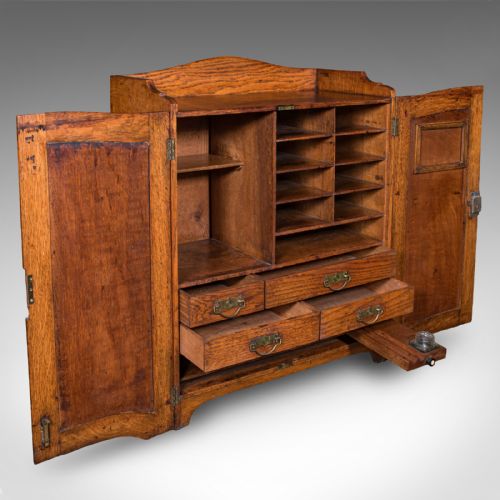
Cabinet makers built these pieces using solid oak, golden oak, and occasionally pollard oak veneers, often mounting them with brass handles, hinges, and corner brackets.
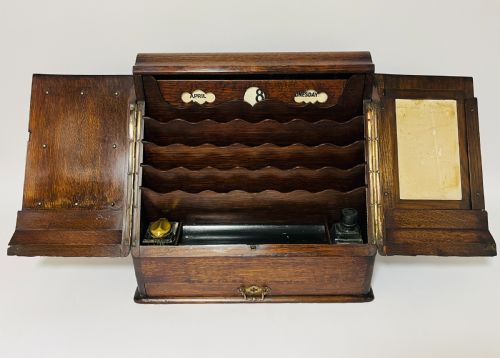
Interiors frequently incorporate leather, fabric, canvas, or glass ink bottles, while exterior surfaces display decorative carving, Gothic panels, or tambour shutters.
Construction techniques span traditional dovetailing for small desk boxes and sloped writing chests, alongside slatted wooden tracks for early twentieth century office cabinets.
Antique Oak Stationery Retail Price Guide 2026
Typical asking prices for oak stationery among the pieces listed under this phrase on Sellingantiques today, from the lower quarter to the upper quarter. They describe what is for sale here now, not the wider market.
The listings here feature oak combined with brass, glass, leather, fabric, canvas, and copper across Victorian and Edwardian forms.
What varies in quality
Quality rests in the crispness of the carving, the selection of figured golden oak, and the robustness of the brass mountings rather than simple utility.
Refined examples show clever interior engineering, such as secret drawers, adjustable shelves, and fitted date mechanisms, while simpler pieces rely on basic box construction.
The Antique Oak Stationery Glossary
- Tambour front
- A sliding shutter formed of narrow vertical strips of wood glued to a canvas backing, allowing it to curve around a track.
- Standish
- An inkstand or tray designed to hold ink bottles, pens, and stationery items together on a desk.
- Correspondence box
- A dedicated lidded box or cabinet built specifically to store writing paper and envelopes.
- Fall front
- A hinged front panel that drops down to provide a writing surface or access to internal compartments and drawers.
- Davenport desk
- A compact small desk featuring a sloped writing surface above a pedestal of side drawers.
Antique Oak Stationery: Frequently Asked Questions
What is a stationery box?
A stationery box is a desktop container designed to hold writing paper, envelopes, and correspondence neatly upright or in stacked tiers.
These pieces typically feature hinged lids or fall fronts that open to reveal fitted internal divisions for different paper sizes.
How were letter boxes used?
Letter boxes served as secure collection points for mail within large country houses, hotels, or offices before collection by postal workers.
They often included glass panels to show contents or brass wall mounting brackets for permanent placement.
How do I date an oak stationery cabinet?
Dating relies on stylistic clues, hardware, and construction methods, moving from heavy Victorian Gothic carving toward clean Arts and Crafts lines and early twentieth-century tambour office furniture.
Edwardian pieces often feature lighter golden oak finishes, whilst nineteenth-century examples display darker tones and more elaborate ornamentation.
What is a desk tidy?
A desk tidy is a multi-functional desktop accessory combining slots for letters, racks for pens, and occasionally inkwells.
They kept daily writing essentials organised in one portable or stationary wooden stand on a library or study table.