






Antique Oak Spice Box
An antique oak spice box keeps domestic treasures secure, bringing small-scale joinery into everyday rooms with enduring practicality.
Antique Oak Spice Box
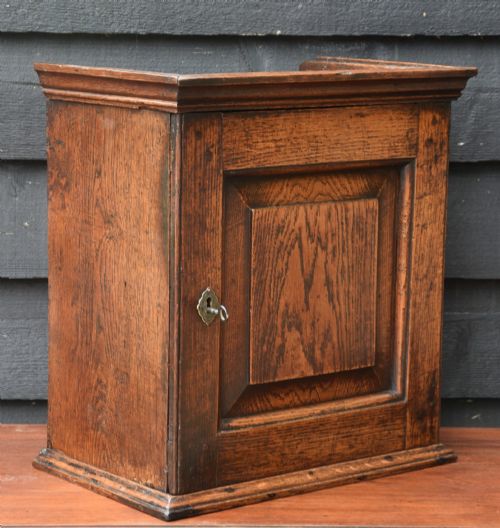
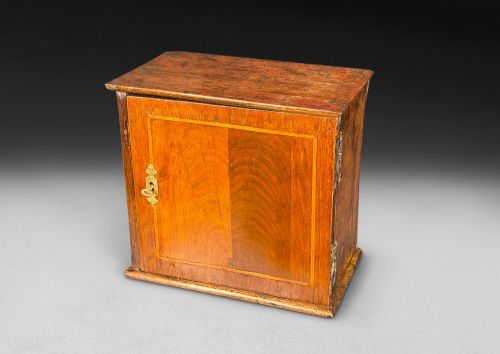
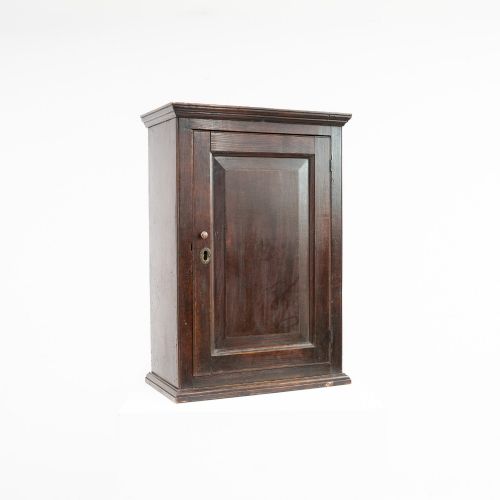
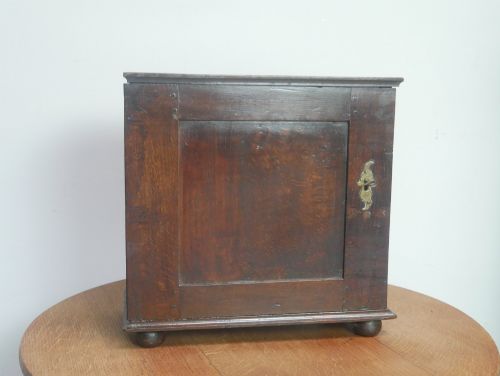
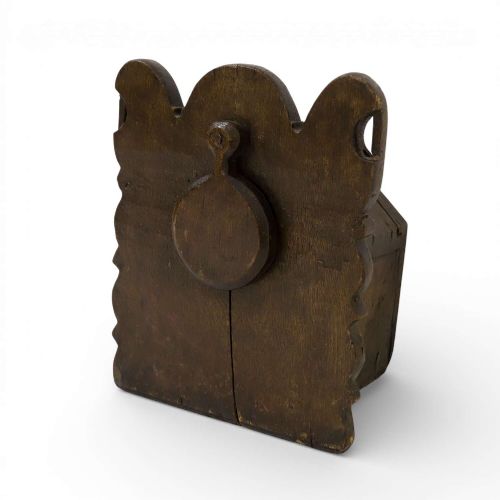
When you search for an antique oak spice box, you encounter small wall-hanging cupboards, tabletop cabinets, and salt boxes designed to hold valuable household provisions. These pieces date across several centuries, with 18th century and Georgian examples appearing frequently alongside later rural iterations.
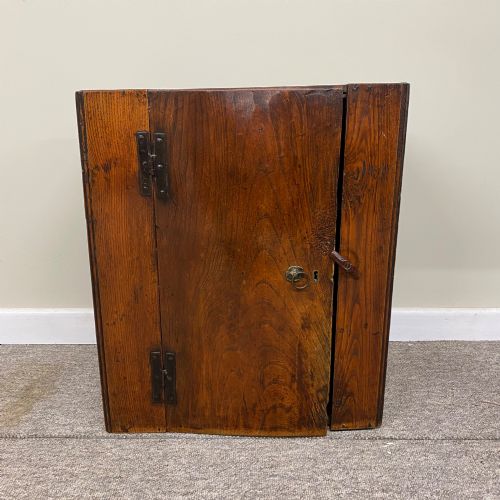
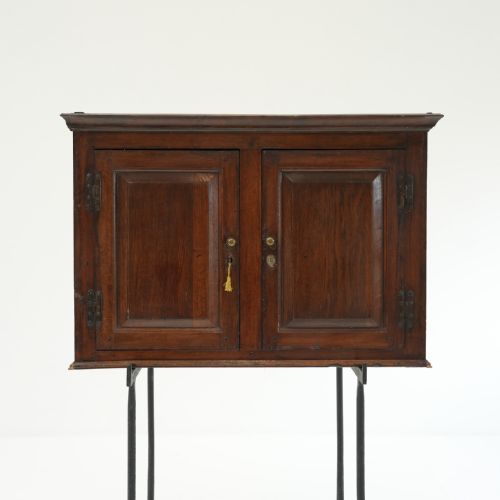
The primary forms take shape as wall cabinets or small cupboards featuring hinged doors, internal partitions, and occasionally small drawers. Regional variations such as Welsh spice cupboards show distinct local joinery traditions within domestic settings.
Materials and construction
Construction relies heavily on solid oak timbers, often paired with secondary woods like pine for internal elements or backboards. Makers utilised panelled door construction and sturdy peg joints to ensure these small hanging units remained stable on domestic walls.
Hardware consists of brass or wrought iron hinges and latches, occasionally accompanied by traces of early paint or mixed wood inlay. These functional fittings secure the small doors while providing a contrast to the dense grain of the timber.
Antique Oak Spice Box Retail Price Guide 2026
Typical asking prices for oak spice box among the pieces listed under this phrase on Sellingantiques today, from the lower quarter to the upper quarter. They describe what is for sale here now, not the wider market.
Listings feature oak alongside pine, brass, wrought iron, and bone across eighteenth and nineteenth-century domestic pieces.
Assessing quality and character
Quality rests in the crispness of the original carving, the integrity of the timber joints, and the survival of early hardware. Pieces featuring untouched surfaces and period hinges display greater integrity than those altered over time.
Proportion and scale dictate the visual weight of the cabinet, where restrained mouldings and well-balanced door panels distinguish superior examples from plain utility boxes.
The Antique Oak Spice Box Glossary
- Spice cupboard
- A small wall-mounted or tabletop cabinet fitted with internal drawers or shelves designed for storing valuable provisions. These compact units date primarily from the seventeenth and eighteenth centuries.
- Salt box
- A household container featuring a sloping lid and a high backboard with a hanging hole, traditionally used to keep salt dry near a hearth. Many examples utilise sturdy oak and iron hardware.
- Inlay
- A decorative technique where contrasting woods or other materials are inserted into recessed portions of a timber base. This method appears on select miniature boxes and chests.
Antique Oak Spice Box: Frequently Asked Questions
What were antique spice boxes used for?
These small cabinets stored expensive culinary spices, medicinal herbs, and precious household items securely under lock and key. Their compact internal compartments kept aromatic goods protected from kitchen dampness.
Over generations, owners repurposed the miniature shelving for various small valuables, letters, or sewing accessories. Today they function primarily as decorative wall cupboards in kitchens and living spaces.
How do I hang a wall cabinet safely?
Examine the original hanging brackets, slots, or backboard structure before mounting any antique timber cabinet. Secure fixings must match the weight of the solid oak frame and its contents.
Consult a professional restorer if the internal fixing points require reinforcement to prevent strain on ancient wood joints.
How can I tell an 18th-century piece apart?
Eighteenth-century examples typically display hand-cut peg joinery, pegged frame construction, and forged iron or brass H-hinges. The timber develops a deep, rich patina across the exterior surfaces over centuries of handling.
Secondary woods like pine often appear on internal partitions or backboards, reflecting period regional workshop practices.
Where should I place a spice box at home?
Mount wall-hanging cupboards away from direct heat sources and strong sunlight to protect the aged oak timber and finish. Kitchens, hallways, and studies provide suitable environments for displaying small cabinets.
Tabletop versions sit securely on sideboards, desks, or chests where their compact proportions remain visible.