

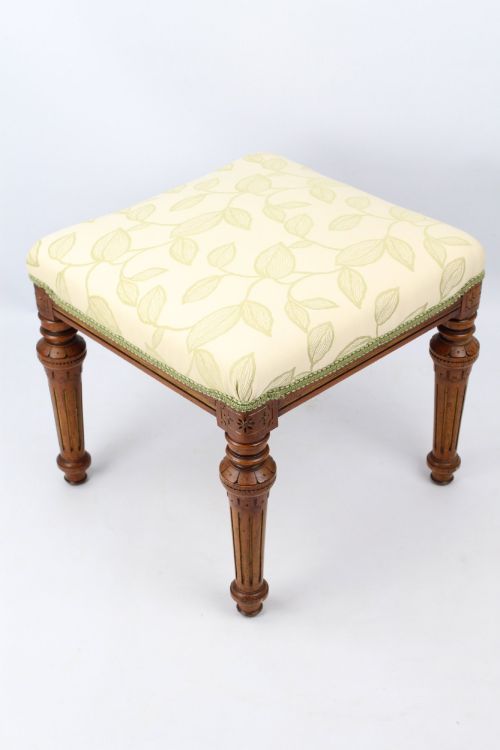

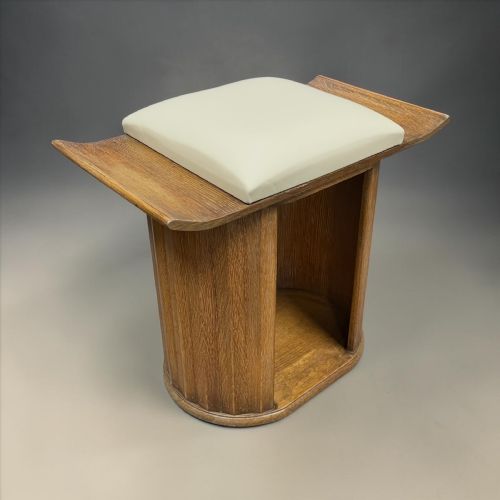


Antique Oak Piano
An antique oak piano seat offers solid timber construction and period character, providing a sturdy and stylish accompaniment to a traditional keyboard.
Antique Oak Piano
When you search for an antique oak piano seat, you encounter a range of supportive seating designed for musicians during the nineteenth and early twentieth centuries. These pieces encompass various forms including simple upright stools, swivel designs, and duet benches intended for two players.
The versions you are most likely to meet on this page span the Victorian and Edwardian eras, executed in solid timber with period upholstery. They reflect stylistic shifts from heavy Victorian carving through to clean Arts and Crafts lines and later Art Deco interpretations.
Most entries showcase regional variations and domestic workshop origins rather than grand court manufactories. Their enduring appeal lies in the combination of robust hardwood frames and practical height-adjustment mechanisms or revolving seats.
Materials and construction methods
The primary material underpinning these items is oak, frequently paired with supporting elements of iron for mechanical actions and brass for fittings or castors. Workshops also utilised ash and other hardwoods alongside parcel gilt accents to enrich surface detail on select pieces.
Upholstery techniques relied on traditional stuffing finished with textiles such as woollen fabric, tweed linen, and green leather. Frames display period joinery methods, ranging from hand-carved ornamentation on Victorian examples to simpler geometric panels on Arts and Crafts pieces.
Antique Oak Piano Retail Price Guide 2026
Typical asking prices for oak piano among the pieces listed under this phrase on Sellingantiques today, from the lower quarter to the upper quarter. They describe what is for sale here now, not the wider market.
Listings span from eighteen-fifty through nineteen-thirty, uniting Victorian industrial items with Arts and Crafts and Art Deco examples.
Distinguishing quality across the range
Quality in these seats resides in the crispness of the timber carving and the structural integrity of the rotating or mechanical adjustments. Pieces with sophisticated patent mechanisms and well-preserved original leather or woven upholstery stand apart from simpler domestic variants.
The selection of timber grain and the finesse of joinery determine the visual standing of each piece. Superior examples exhibit harmonious proportions and uncompromised structural density that withstands regular use.
The Antique Oak Piano Glossary
- Duet stool
- A wider bench designed to accommodate two pianists side by side during piano practice or performance. These longer seats often feature hinged lids revealing sheet music storage beneath.
- Swivel stool
- A rotating seat mounted on a central threaded spindle or mechanical screw, allowing the player to adjust their height by turning the top. This design gained popularity for its practical adjustment during long practice sessions.
- Patent music chair
- A specialised seating form incorporating mechanical adjustments protected by a nineteenth-century patent registration. Such pieces often combine iron hardware with revolving or tilting mechanisms.
- Parcel gilt
- A decorative treatment where specific carved details or mouldings are partially covered in gold leaf while the surrounding oak remains exposed. This technique highlights particular ornamental motifs on the woodwork.
- Arts and Crafts
- A design movement prioritising honest construction, visible joinery, and the natural grain of materials over excessive factory ornamentation. Pieces from this tradition display straightforward utility and solid craftsmanship.
Antique Oak Piano: Frequently Asked Questions
How do I adjust the height on these?
Many older piano seats utilise a central wooden or iron screw mechanism operated by simply rotating the upholstered top clockwise or counter-clockwise.
Other designs might incorporate scissor actions or side levers to raise and lower the seating platform smoothly.
Were these seats made exclusively for pianos?
While primarily designed for keyboard players to maintain proper posture, many sturdy swivel and dressing table stools served multiple domestic functions.
Their robust construction made them suitable for writing desks, dressing tables, and general parlour seating.
How should I care for the oak timber?
Maintain the wood by applying a quality beeswax polish periodically to nourish the grain and protect the surface from excessive dryness.
Avoid placing the seat near direct heat sources or in strong sunlight to prevent the timber from warping and the upholstery from fading.
Can I replace the original fabric upholstery?
Upholstery can be updated when necessary, though retaining original textiles like period tweed linen or leather preserves historical integrity.
When reupholstering, choose traditional materials that complement the specific period style of the wooden frame.