





Antique Oak Nursery
These antique oak nursery pieces bring solid domestic history to a room, offering small-scale seating and sleeping forms built to endure.
Antique Oak Nursery
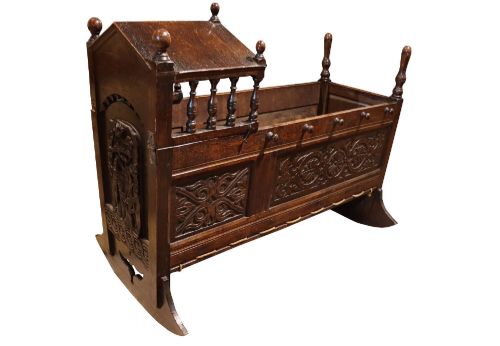
When you search for antique oak nursery items, you encounter small-scale furniture designed for children, toddlers, and infants across several centuries. These pieces encompass functional domestic objects intended for everyday use rather than mere display.
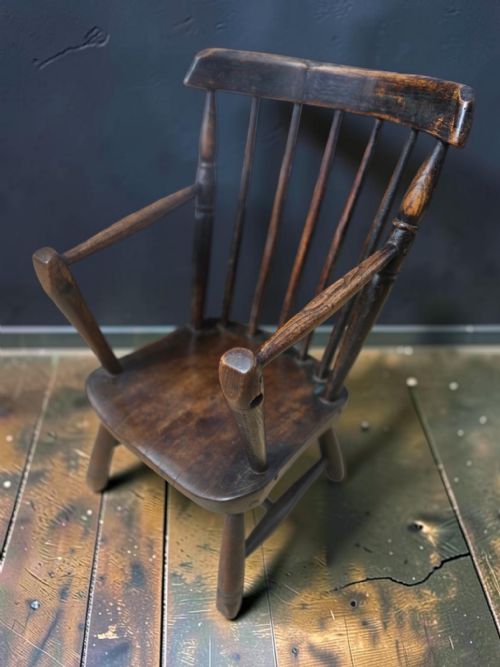
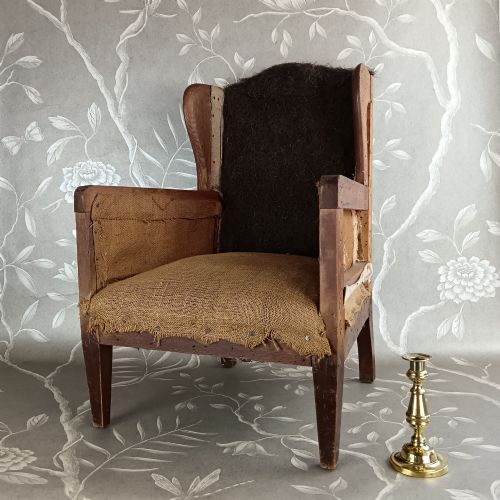
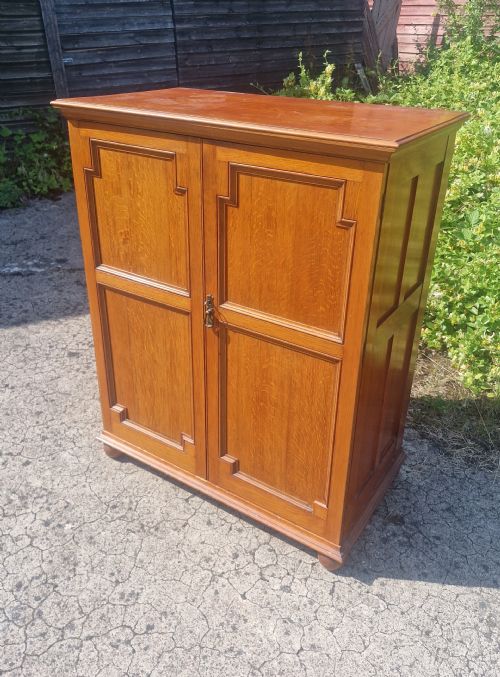
The selections span standard child chairs, high chairs, rocking chairs, stools, wardrobes, and enclosed cradles. Most examples meet you from the nineteenth century, alongside items reaching back to the Georgian and Elizabethan periods and forward into the Edwardian era.
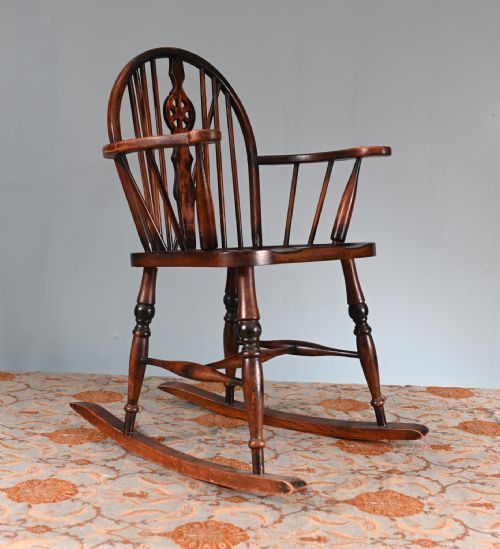
Regional vernacular traditions heavily influence these forms, showing distinct local turning and joining methods. You will frequently find Windsor chairs scaled down for children, alongside panelled cradles and low seating.
How they were made
Makers relied primarily on oak for structural frames, cradles, and stiles, often combining it with secondary timbers such as elm, ash, beech, and assorted hardwoods for spindles and seats. This mixed-timber construction reflects the practical availability of local woods in regional workshops.
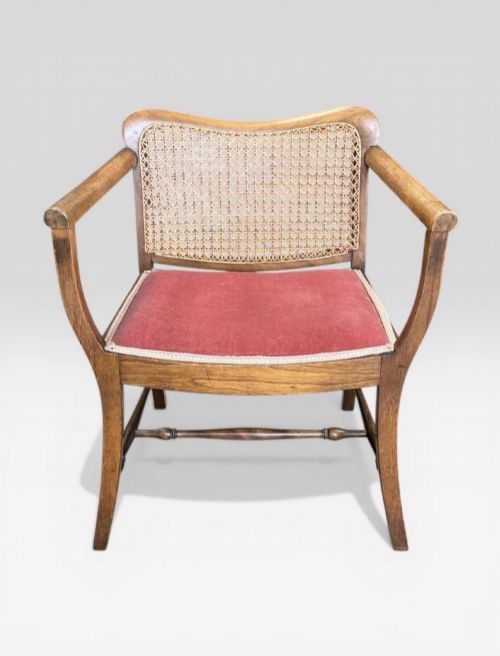
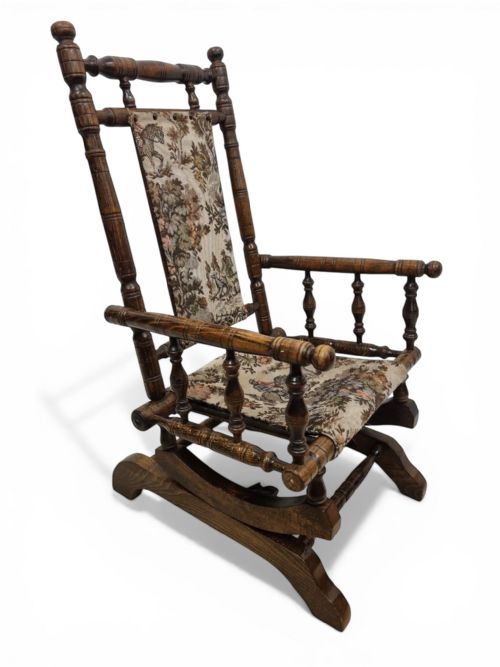
Joinery techniques prioritize durability, employing pegning, mortise and tenon joints, and steam-bent components for hoopbacks and armrests. Surfaces are frequently enhanced with woven rush, cane panels, or later upholstery in velvet and tapestry.
Antique Oak Nursery Retail Price Guide 2026
Typical asking prices for oak nursery among the pieces listed under this phrase on Sellingantiques today, from the lower quarter to the upper quarter. They describe what is for sale here now, not the wider market.
Listings feature oak alongside elm, ash, beech, and rush, spanning periods from the Elizabethan era to the twentieth century.
What varies in quality
Quality rests heavily on the integrity of the original construction and the proportion of the reduced scale. Superior examples retain their original timber patination without excessive replacement parts or inappropriate modern hardware.
The refinement of the turning on spindles and legs separates standard regional items from finer workshop pieces. Better examples show careful attention to structural balance, particularly in rocking mechanisms and Windsor forms.
James Shoolbred
The Antique Oak Nursery Glossary
- Windsor
- A chair built with a solid wooden seat into which the legs and back spindles are bored directly. These seating forms often feature bowed backs and shaped armrests.
- Bergere
- An upholstered chair style featuring an enclosed canework back and sides. The technique uses woven cane to create light yet supportive panels.
- Crinoline Stretcher
- A curved under-framing brace found on certain Windsor chairs that links the legs and adds rigidity to the base. This metal or wooden hoop strengthens the lower structure.
- Vernacular
- Furniture made by local country joiners using regional traditions rather than following strict metropolitan pattern books. These pieces prioritize utility and local material availability.
Antique Oak Nursery: Frequently Asked Questions
How do I date an oak nursery chair?
Dating relies upon examining the construction methods, tool marks, and timber shrinkage visible on the underside and joints. Early pieces exhibit hand-riven components and peg construction rather than modern machine-cut screws.
Stylistic shifts also help establish a timeline, moving from heavy panelled Elizabethan forms to lighter Victorian Windsor chairs and Edwardian proportions.
Were these chairs meant for everyday use?
These items served functional roles in domestic nurseries and family living areas for feeding, soothing, and seating children. Their sturdy construction reflects a need to withstand robust daily handling by infants and toddlers.
Many retain the minor knocks and surface wear associated with generations of practical household service.
What is a crinoline stretcher?
A crinoline stretcher is a curved hoop-shaped brace connecting the legs of a Windsor chair beneath the seat. It provides essential structural reinforcement while adding a distinct decorative profile to the lower frame.
This feature frequently appears on earlier Windsor seating variants.
How should I care for antique oak furniture?
Maintain stable room humidity and keep wooden pieces away from direct heat sources to prevent timber splitting or warping. Dust gently with a dry cloth and occasionally apply appropriate natural wax to nourish the surface.
Avoid excessive polishing or harsh chemical cleaners that can strip the historic patina.