




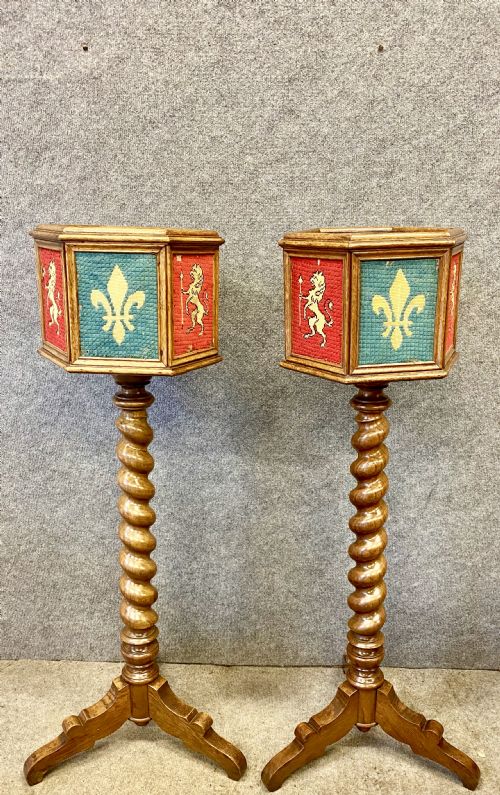


Antique Oak Jardiniere
An antique oak jardiniere brings natural texture and historic character indoors, holding potted plants on sturdy timber stands.
Antique Oak Jardiniere
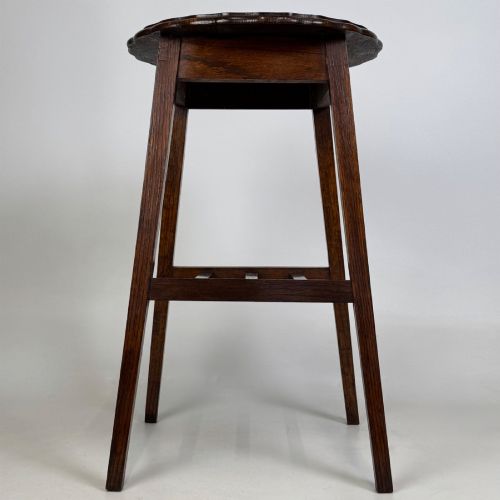
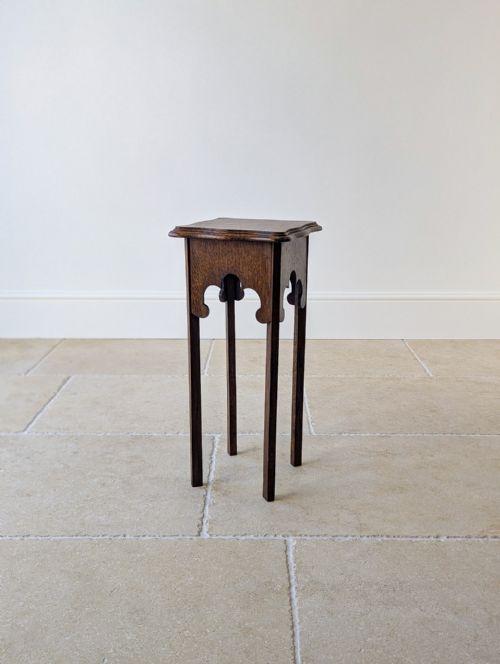
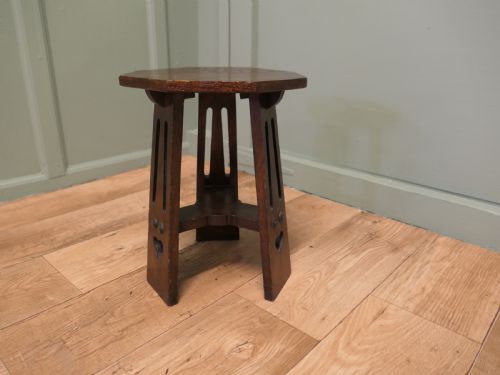
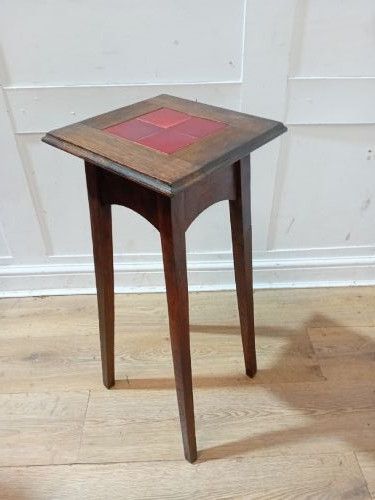
An antique oak jardiniere is primarily found as a plant stand, side table, or coopered barrel planter designed to display greenery within the home. You will frequently encounter Edwardian and 19th-century examples that combine solid oak construction with functional display surfaces or internal liners.
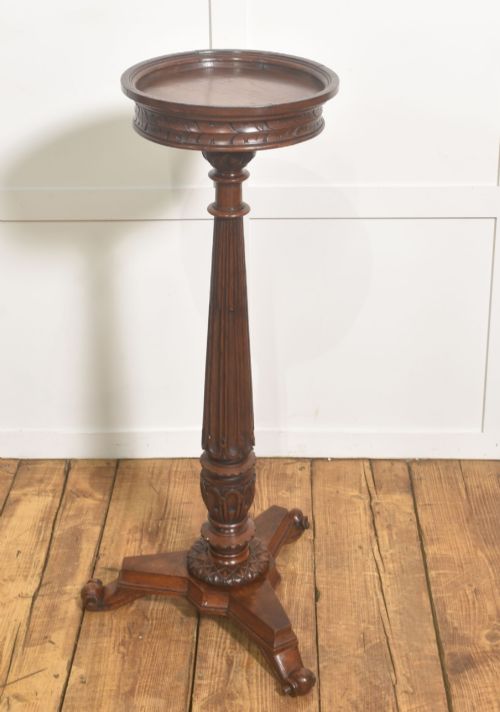
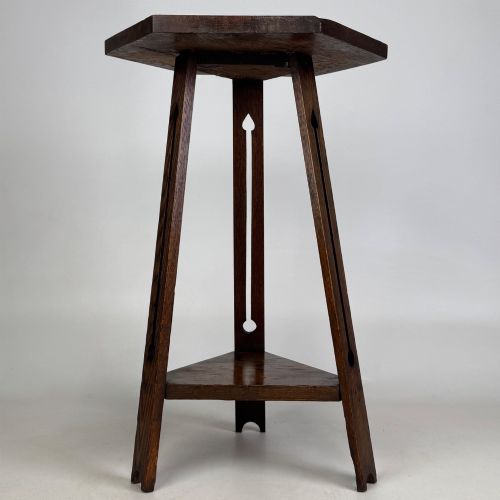
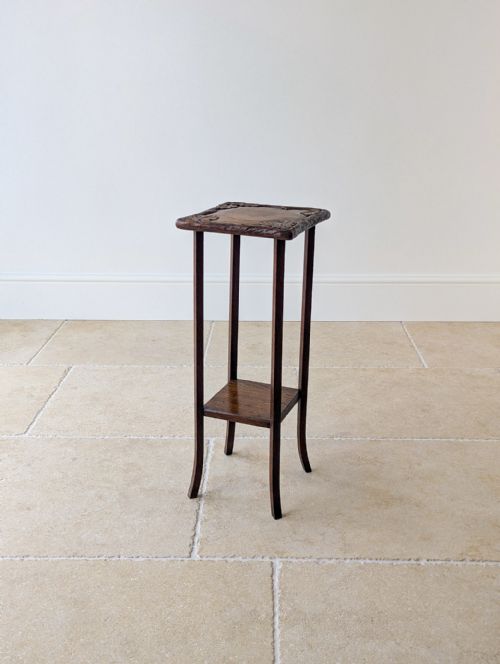
The forms range from octagonal and hexagonal top plant stands to two-tier pedestals and barley twist tables suited for displaying floral arrangements. Many pieces integrate seamlessly into domestic spaces as occasional tables or dedicated plant holders reflecting vernacular and revival aesthetics.
Makers and designers of the period adapted traditional joinery to meet the growing domestic appetite for indoor horticulture and decorative display furniture. These objects bridge the gap between utility and ornamentation, serving as architectural accents for living areas and hallways.
How they were made
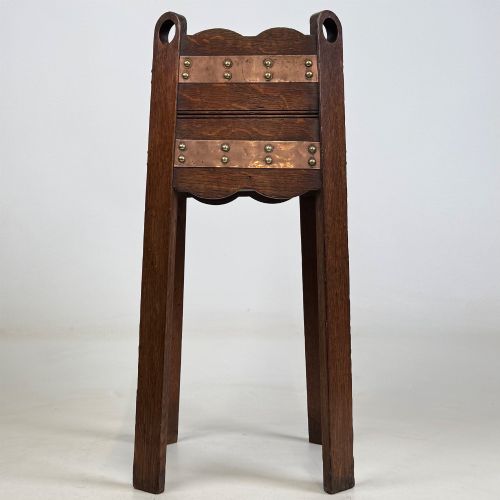
Carpenters and joiners utilised solid oak alongside contrasting metals such as brass and copper for decorative bands, liners, and structural detailing. Coopered construction techniques, typical of barrel-making, were frequently employed for cylindrical planters using tight-fitting wooden staves bound by metal hoops.
Carved hardwood details, turned barley twist legs, and shaped table tops demonstrate traditional woodworking methods spanning the Victorian and Edwardian eras. Some French and English variations incorporate zinc or ceramic linings to protect the timber core from moisture associated with live plants.
Antique Oak Jardiniere Retail Price Guide 2026
Typical asking prices for oak jardiniere among the pieces listed under this phrase on Sellingantiques today, from the lower quarter to the upper quarter. They describe what is for sale here now, not the wider market.
Some stands feature barley twist legs so deeply spiralled they seem intent on winding their way straight down into the floorboards.
What varies in quality
Quality in an antique oak jardiniere is determined by the crispness of hand-carved ornamentation, the integrity of structural joinery, and the condition of original metal liners or brass bands. Superior examples exhibit well-figured timber grain, balanced proportions, and careful attention to secondary details like turned legs or panel construction.
Pieces showing heavy alterations, mismatched hardware, or severe moisture damage to the lower timber staves sit lower in the range. The presence of documented retail provenance or cohesive period styling elevates the standing of an individual piece.
Liberty and Co
The Antique Oak Jardiniere Glossary
- Coopered
- Constructed from curved wooden staves bound together with metal hoops, much like a traditional barrel. This method provides robust containment for soil and water in planter designs.
- Barley Twist
- A form of woodturning resembling a spiralling rope or barley sugar stick. It became popular for the legs of stands and tables during the late 19th and early 20th centuries.
- Arts and Crafts
- A design movement valuing handcraftsmanship, simple forms, and honest materials over mass production. Pieces from this tradition often feature exposed joinery and minimal ornamentation.
- Pedestal
- An architectural support column or tall base used to elevate a plant stand, urn, or display object. They provide vertical emphasis in interior room arrangements.
Antique Oak Jardiniere: Frequently Asked Questions
What is an antique oak jardiniere?
An antique oak jardiniere is a wooden plant stand, table, or coopered container built to display flowers and foliage inside the home.
These pieces typically date from the nineteenth and early twentieth centuries, reflecting changing domestic tastes for indoor greenery.
How were jardinieres used historically?
Victorian and Edwardian households utilised these stands in reception rooms and parlours to showcase potted palms, ferns, and floral displays.
They functioned both as decorative furniture items and as practical waterproof vessels protecting interior surfaces from water damage.
How do I care for an oak jardiniere?
Protect the timber by using modern plastic or ceramic inner saucers rather than planting directly into unlined wooden containers.
Maintain the finish with occasional applications of appropriate beeswax, avoiding excessive moisture on the exterior oak surfaces.
How can I date an oak plant stand?
Examine the construction methods, tool marks, and overall stylistic influences such as Arts and Crafts simplicity or Victorian revival carving.
Hardware details, screw types, and the condition of the timber grain also offer clear indications of the manufacturing period.