
Antique Oak Furniture Pair
An antique oak furniture pair brings balanced utility and enduring timber character to a room, offering matching proportions that single pieces lack.
Antique Oak Furniture Pair
When searching for an antique oak furniture pair, a buyer encounters matching sets of seating, tables, beds and storage spanning from the seventeenth century through the early twentieth century. These matching items originate from diverse domestic, ecclesiastical and regional workshops, reflecting centuries of woodworking tradition.
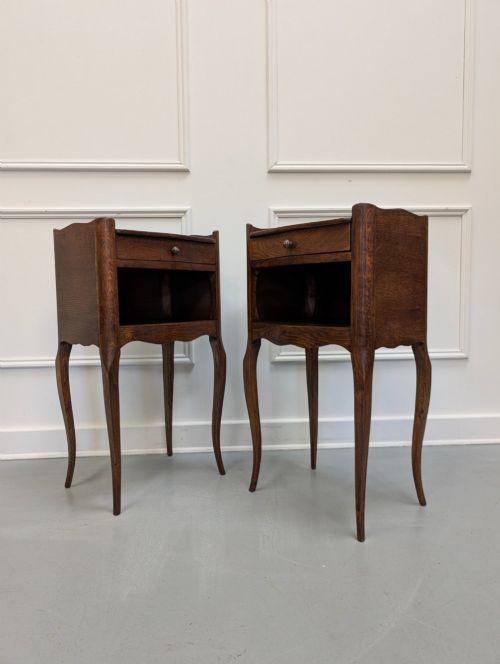
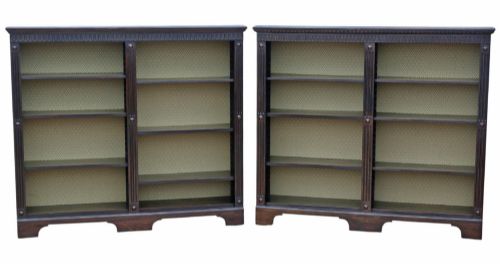
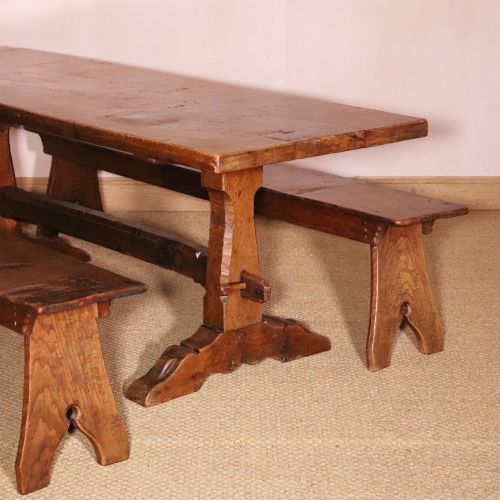
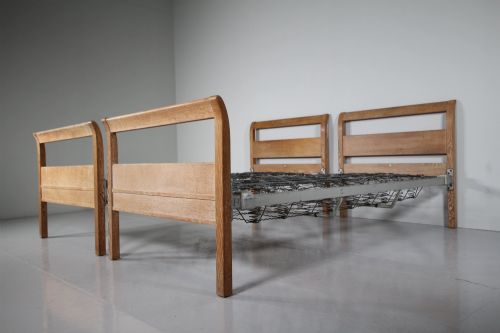
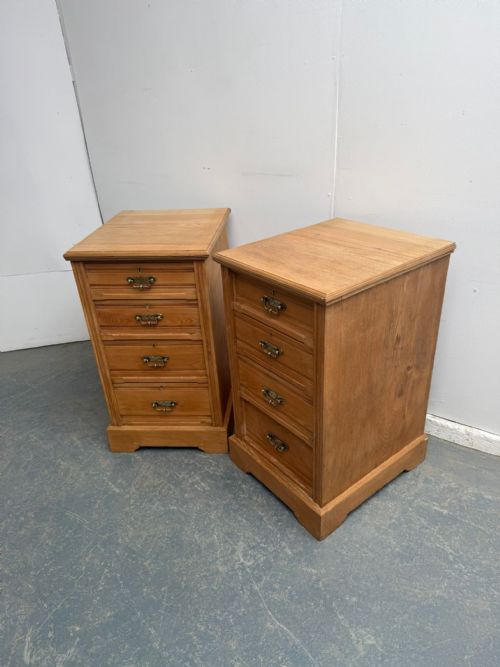
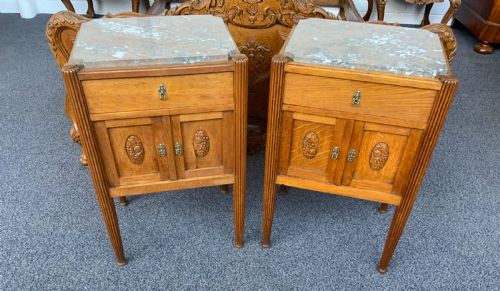
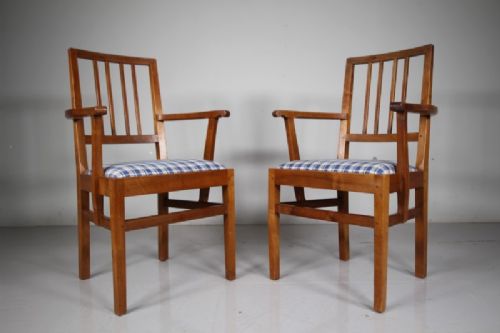
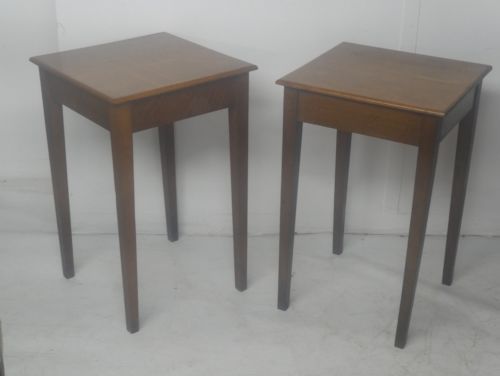
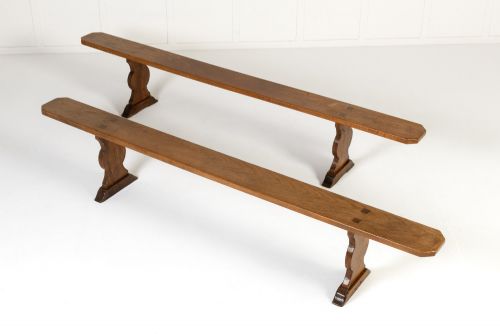
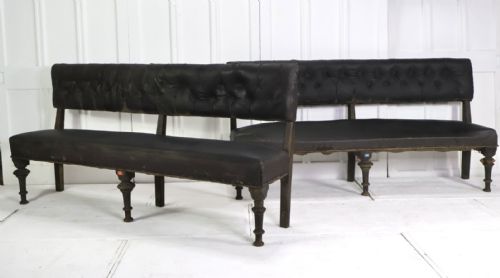
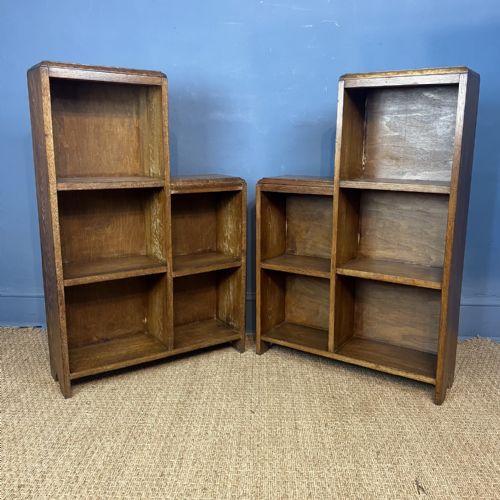
Seating forms dominate the selection, including hall chairs, armchairs, benches and dining chairs shaped by Gothic Revival, Arts and Crafts and country vernacular movements. Alongside seating, pieces such as bedside cabinets, bookcase cabinets, lamp tables and single beds appear in matched configurations.
English, Scottish, Irish, French, Swiss and Italian origins surface across the inventory, demonstrating how different European regions handled the same dense timber. The nineteenth century and the nineteen-thirties supply a significant proportion of the available pairs, bridging heavy period forms with cleaner modernist lines.
Materials and construction methods
Solid oak provides the structural foundation for these pieces, often complemented by secondary timbers like ash, along with surface elements in brass, fabric, velvet, rush and glass. Makers utilised traditional joinery techniques such as jointing and chip carving to shape sturdy frames that endure for centuries.
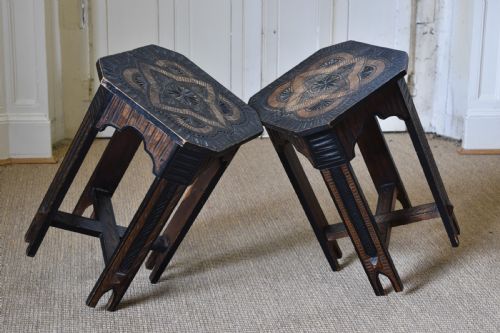
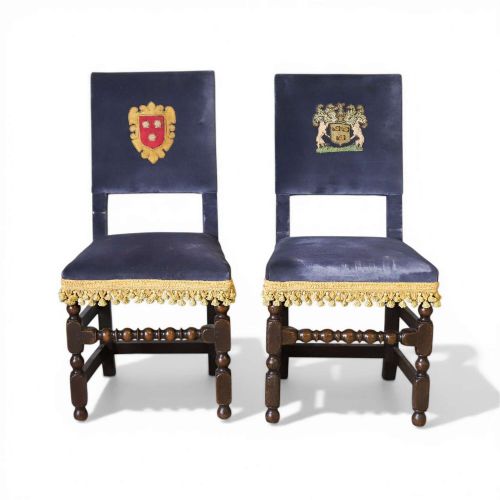
Surface treatments range from waxed finishes and bleached oak treatments to chip-carved detailing and heraldic crest upholstery. Metal elements including copper tops and brass fittings integrate cleanly with the heavy timber construction, while specific workshops applied stamps, labels and engraved plaques to record their output.
Several sets retain original maker labels, stamps or engraved plaques, proving that even heavy oak furniture liked to carry its business card.
Evaluating craftsmanship and integrity
Quality rests in the fidelity of the matching pair, where the grain, colour and wear patterns align harmoniously between both items. Original structural integrity, authentic period surface finishes and legible maker stamps or labels elevate the standing of a pair significantly.
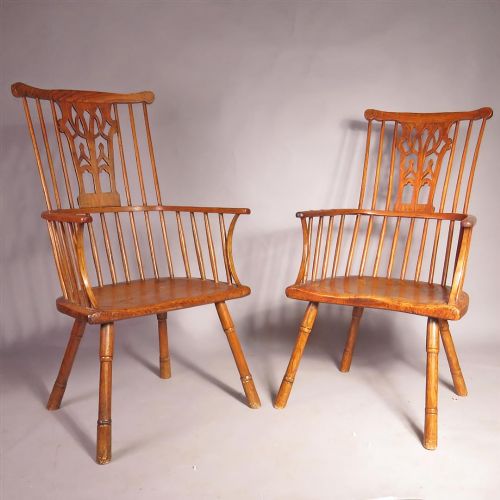
The precision of hand-carved details, such as Gothic tracery or chip carving, distinguishes superior pieces from simpler utilitarian output. When upholstery or secondary materials like velvet or rush are present, their historical sympathy to the oak framework determines the refinement of the ensemble.
Heals·Edward Barnsley·Liberty and Co·James Shoolbred and Co·Gillows of Lancaster·William Morris·Dicon Nance St Ives Studio
The Antique Oak Furniture Pair Glossary
- Joint stool
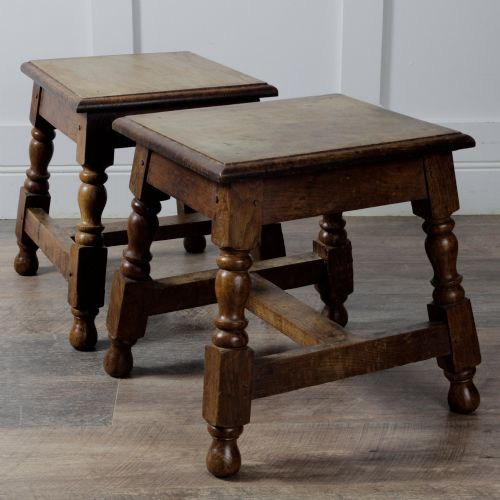
- A low wooden stool constructed with pegged mortise and tenon joints rather than turned legs. These sturdy items date back to the seventeenth century and often served multi-purpose seating or support roles.
- Comb back
- A Windsor chair variation where the vertical spindles of the backrest extend up through a headboard resembling a traditional hair comb. This regional design provides ergonomic support through steam-bent components.
- Sgabello
- A Renaissance-style chair featuring solid slab-like supports instead of conventional legs and a high carved back. Originating in Italy, these decorative seats were typically positioned in grand halls.
- Bobbin turning
- A form of woodturning that produces a series of spherical or cylindrical shapes resembling spools of thread linked together. This decorative profile appears frequently on seventeenth and early twentieth-century frames.
- Armorial
- Bearing heraldic coats of arms or crests carved into the wood or embroidered onto upholstery. Such details often denote the lineage or institutional origin of the furniture.
Antique Oak Furniture Pair: Frequently Asked Questions
What defines an antique oak furniture pair?
An antique oak furniture pair consists of two matching wooden items designed, built or collected together to function as a matched set. These items share identical periods, materials, and stylistic characteristics.
Buyers encounter everything from seventeenth-century joint stools and high-back chairs to nineteen-thirties bedside cabinets and armchairs. The shared provenance or consistent wear makes them function cohesively in an interior.
How were these oak pieces used originally?
Historically, these items fulfilled practical domestic and institutional functions, ranging from reception seating in grand halls to sleeping quarters and bedside storage. Hall chairs accommodated visitors, while sturdy benches served communal dining or resting areas.
Later nineteenth and twentieth-century examples adapted these forms for domestic bedrooms and sitting rooms, incorporating cabinets, bookcases, and occasional tables to suit changing lifestyles.
How should I live with an antique oak pair?
Living with these items involves placing them where their matching proportions create visual symmetry, such as flanking a fireplace, framing a doorway, or serving as bedside companions. Their robust oak construction handles everyday use well.
Maintaining stable room humidity and avoiding direct heat sources protects the timber and any secondary materials like velvet, rush, or brass from premature drying or degradation.
How do I distinguish between different periods?
Distinguishing periods relies on observing construction methods, joinery types, and stylistic shifts such as heavy seventeenth-century jointing versus nineteenth-century Gothic Revival or nineteen-thirties modernist lines. Early pieces display pegged mortise and tenon construction and hand-carved details.
Later revival pieces and twentieth-century studio furniture incorporate cleaner geometric forms, factory stamps, or specific designer labels that anchor them securely to their decade of origin.