

Antique Oak Frame
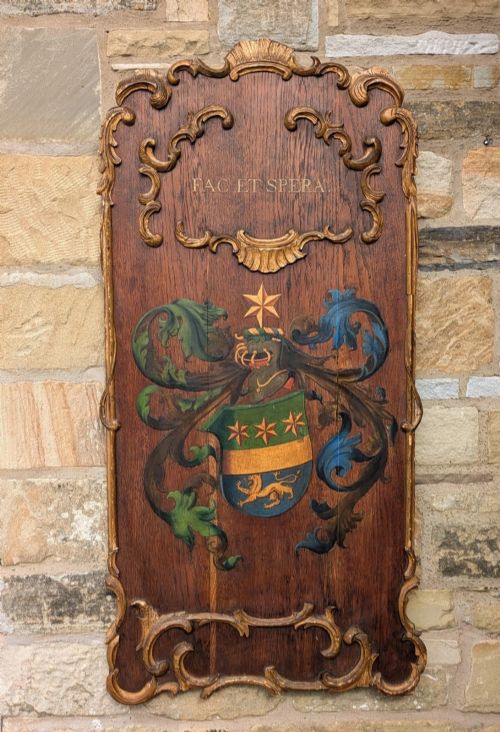
An antique oak frame brings solid timber grain and period presence to a wall mirror, a painted canvas, or a printed map.
Antique Oak Frame
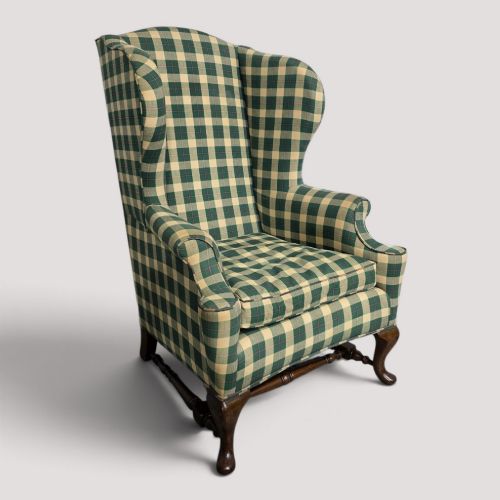
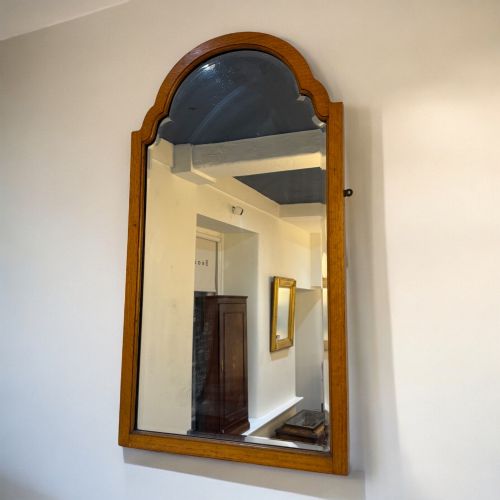
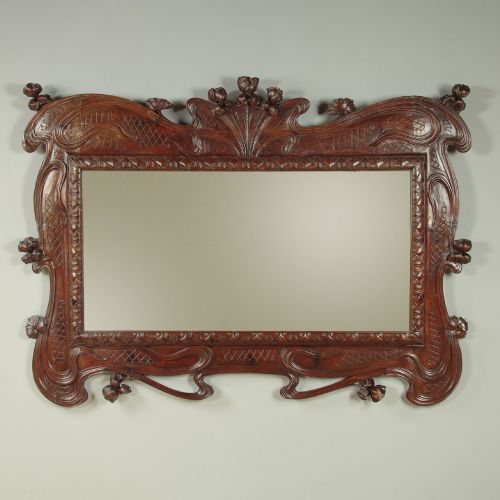
An antique oak frame surrounds domestic art, mirrors, and functional seating in homes from the seventeenth century through to the Edwardian era. Buyers searching for an antique oak frame encounter wall mirrors, framed prints, and oil paintings alongside structural furniture items like armchairs and beds with prominent oak surrounds. The selection ranges from severe seventeenth-century wainscot forms to ornate nineteenth-century carved wall mirrors.
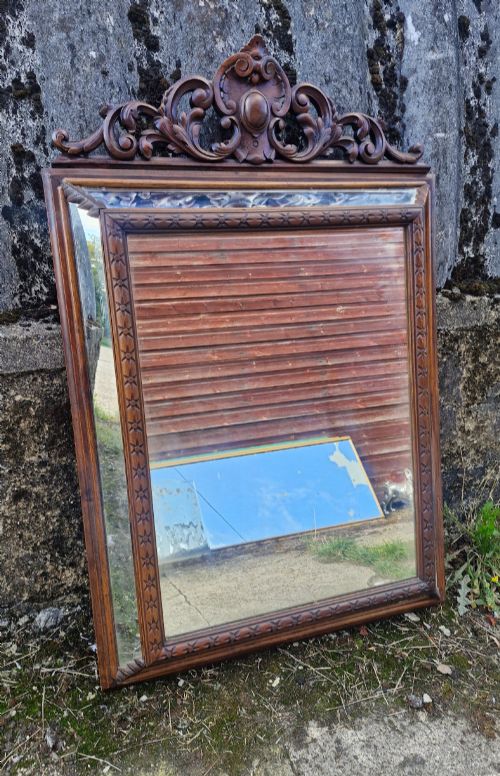
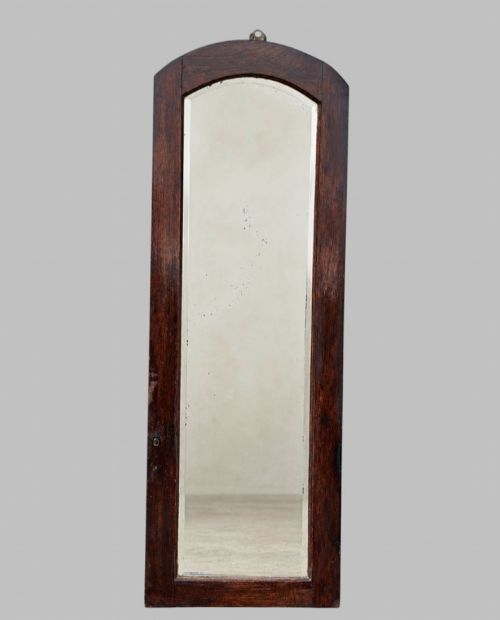
Most examples appearing here date from the nineteenth and early twentieth centuries, spanning Victorian, Edwardian, and Arts and Crafts design movements. These later pieces incorporate bevelled mirror glass, decorative wood carving, and paper prints housed within sturdy timber borders. Pieces originate from English workshops as well as French provincial makers, displaying the natural grain and darker patination characteristic of seasoned oak.
Materials and construction methods
Maker workshops utilised solid oak timber, selected for its dense grain and durability, often shaping the mouldings with hand-carved details or applied geometric ornamentation. Frames designed for mirrors incorporated backing boards and secure glass panels, while structural seating and bed surrounds utilised traditional joinery like mortise and tenon joints.
Surface treatments varied from waxed and polished natural timber to limed and bleached finishes, particularly on French provincial examples. Secondary materials such as brass fittings, iron hardware, and paper labels appeared on specific functional pieces and labelled maker productions.
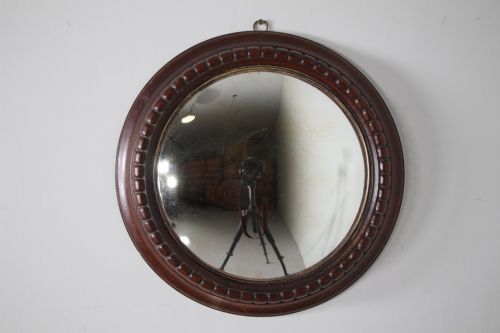
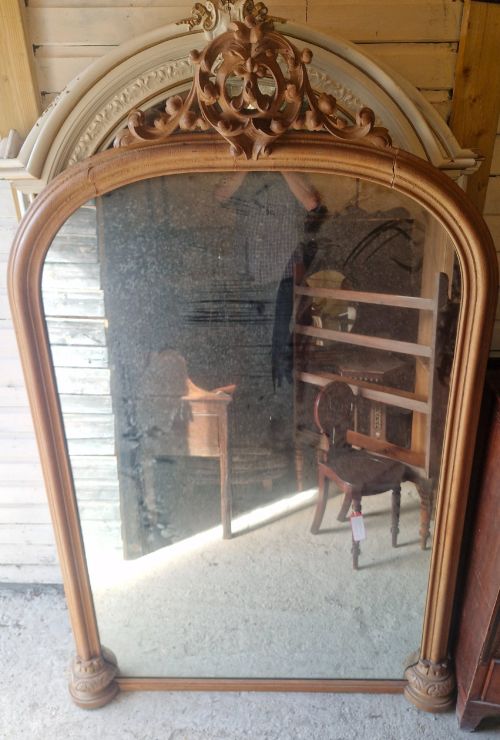
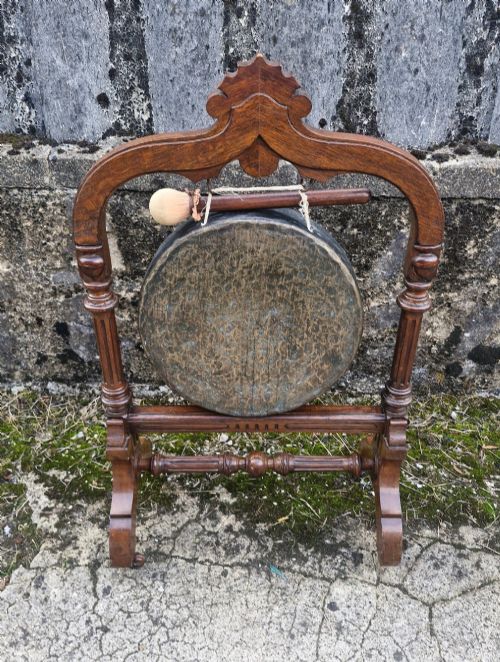
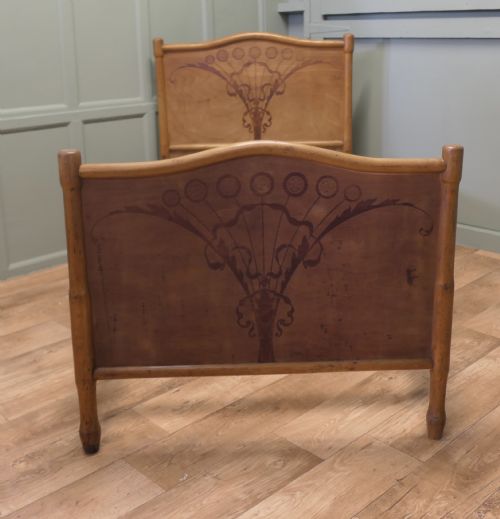
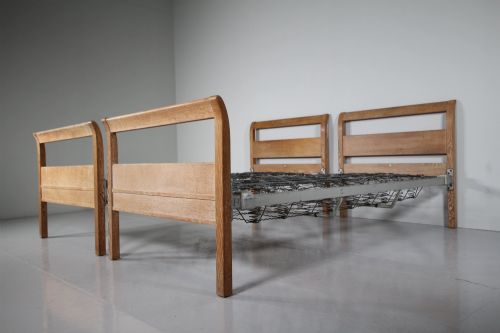
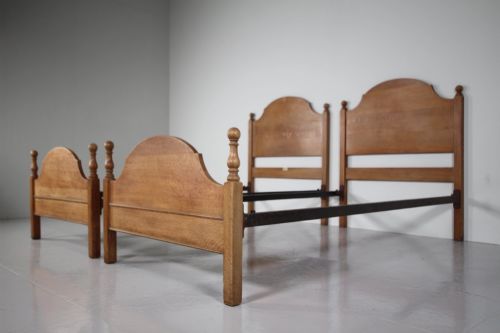
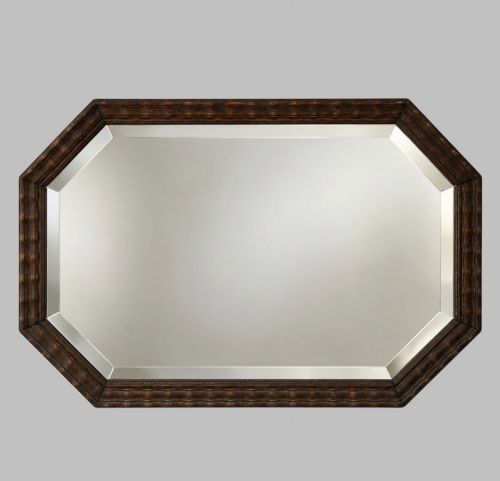
The inventory includes wall mirrors, oil paintings, maps, dining gongs, and four-poster single beds with oak surrounds.
Distinguishing quality across examples
Quality rests in the crispness of the timber carving and the integrity of the original joints or mitres cornering the frame. Superior items display deep, hand-carved ornamentation rather than shallow pressed composition mouldings, alongside well-preserved natural patination on the oak surface.
The integration of original supporting elements, such as early mirror glass with natural ageing or secure maker labels on beds and seating, separates standard items from workshop masterpieces. Original backing boards and undisturbed fixings indicate a higher degree of survival.
Jason and Joseph Kohn·Nanninga Uitterdyke·William Bird·Heals·Bernard Hailstone·Waring and Gillow·Frederick Marriott·Ogilby·Blaeu
The Antique Oak Frame Glossary
- Wainscot
- A heavy wooden armchair dating from the seventeenth century, constructed with panelled backrests and solid oak framing. These sturdy seats represent early regional English joinery.
- Bevelled glass
- Mirror glass with an angled, polished edge tapering toward the outer perimeter. This technique adds depth and catches light within nineteenth-century wall frames.
- Bergere
- A panelled wooden armchair or bed frame featuring woven cane infill within the structural timber border. French provincial makers frequently utilised this style during the nineteenth and early twentieth centuries.
- Glastonbury
- A specific nineteenth-century revival chair design characterised by intersecting folding wooden components and inscribed oak frames. The style draws inspiration from medieval church furniture.
- Patina
- The surface sheen and darkening acquired by oak timber over decades of handling and exposure to light. This natural ageing process distinguishes genuine period surfaces from modern reproductions.
Antique Oak Frame: Frequently Asked Questions
How do I date an oak frame?
Dating relies on examining the construction methods, such as hand-cut joints versus machine-tooled fixings, and the style of ornamentation. Details like original mirror glass characteristics and backboards provide further chronological clues.
Period styles ranging from seventeenth-century wainscot to Edwardian revival offer distinct aesthetic markers. Comparing the timber patination and joinery style against known examples helps confirm the era of production.
Were these always used for mirrors?
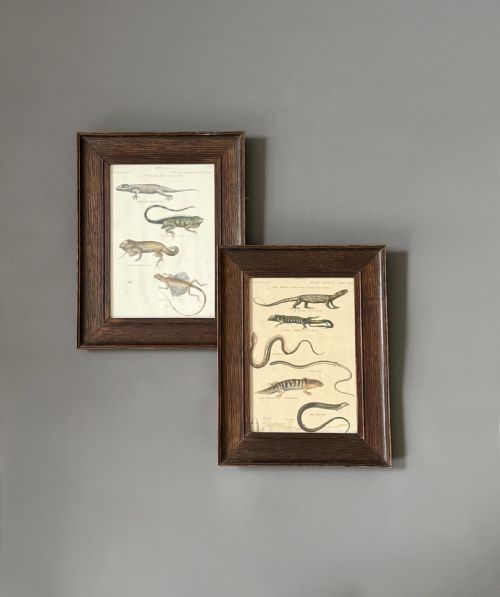
Oak frames served multiple domestic functions beyond holding glass, frequently housing oil paintings, paper maps, botanical prints, and textiles. Structural furniture items like armchairs and beds also featured prominent panelled oak framing.
Artworks and maps required protective wooden borders to preserve fragile paper and canvas. Over time, mirrors became the most common surviving form of wall-mounted oak frame.
How should I clean an oak frame?
Maintenance involves dusting the timber gently with a dry, soft cloth to remove surface particles without disturbing the historic wax or finish. Avoid using modern chemical sprays or excessive water on old wood.
Periodic application of a quality beeswax helps nourish the dry oak surface and maintain its natural lustre. Professional conservation is advisable if the timber shows deep structural dryness or cracking.
What is French provincial oak?
French provincial oak items reflect regional continental design traditions, often featuring lighter timber finishes like limed or bleached surfaces. Carvings on these regional pieces tend to be organic and flowing rather than geometric.
These continental frames contrast with heavier English Jacobean or Victorian styles found in the same period. The regional workshops focused on domestic utility combined with decorative provincial flair.