


Antique Oak Form
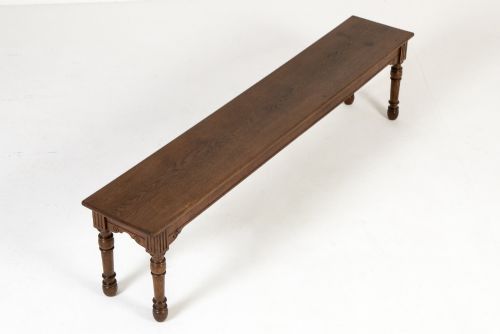
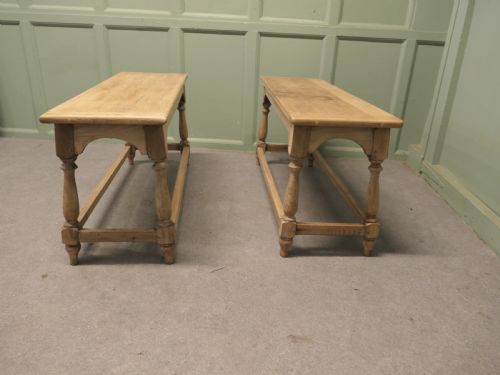
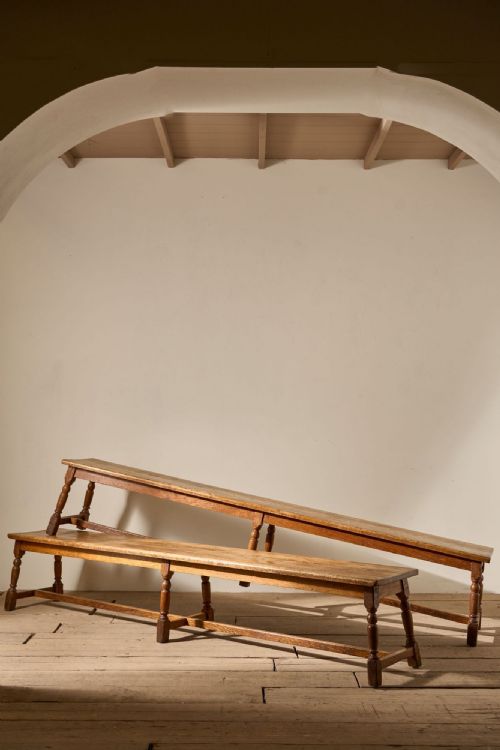
When you search for an antique oak form, you are looking at substantial traditional seating and architectural utility items shaped from solid timber over several centuries.
Antique Oak Form
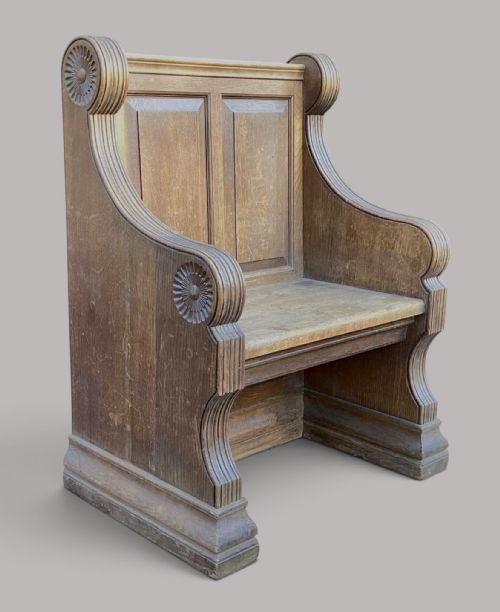
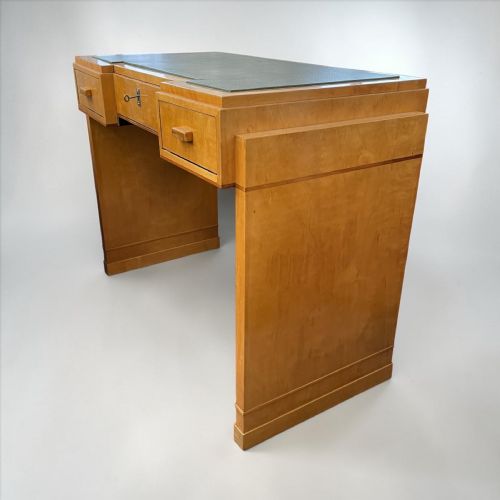
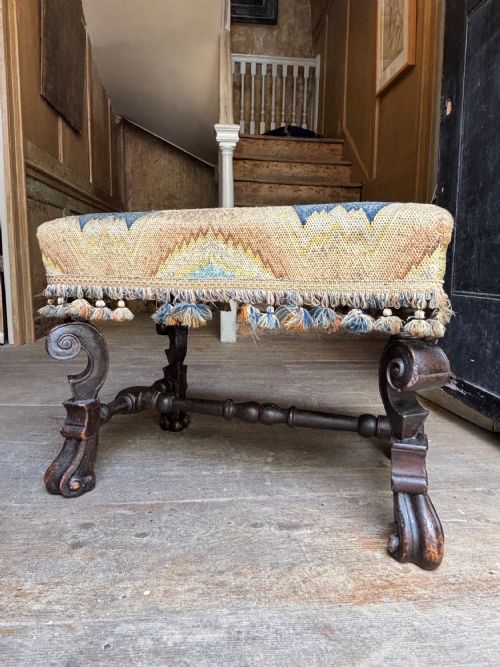
An antique oak form primarily encompasses long benches, joint stools, and hall seats alongside various objects fashioned in sculptural shapes, from snuff boxes to architectural chests.
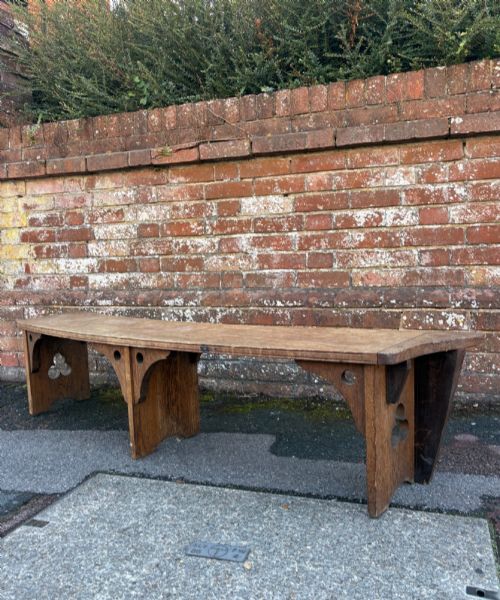
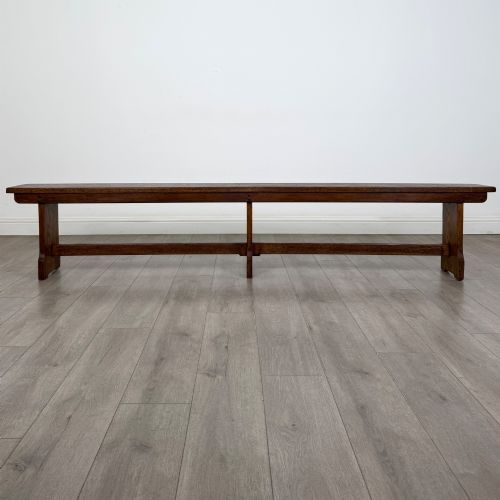
The bench versions dominate the listings, stretching from seventeenth-century joined examples through eighteenth-century Welsh tavern seating to nineteenth-century Gothic revival hall benches.
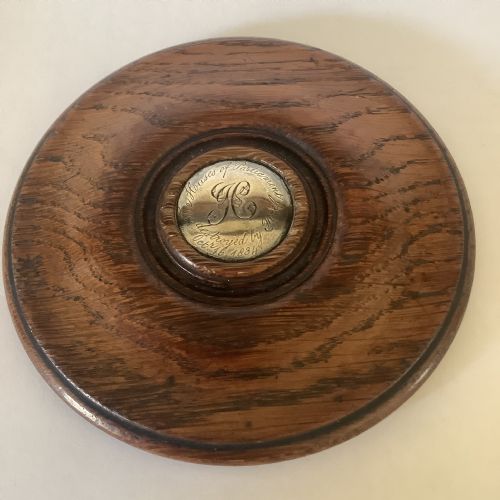
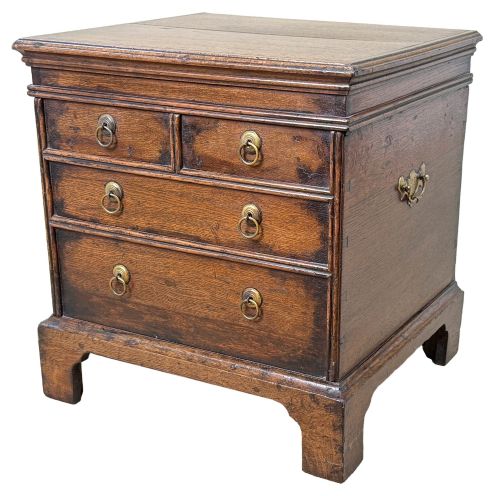
Buyers also encounter smaller items taking a decorative shape, such as miniature chests, book-form boxes, and drum biscuit barrels incorporating silver plating alongside the primary timber.
What varies in quality
The standard of an antique oak form rests upon the crispness of the hand carving and the integrity of the original timber rather than applied surface decoration.
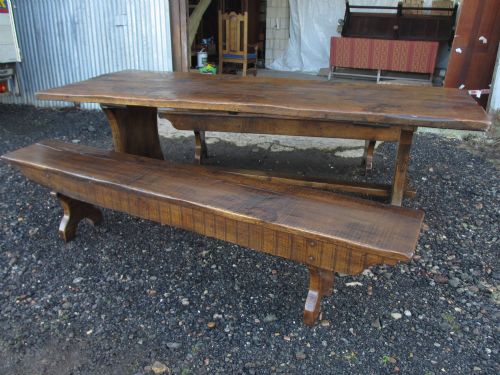
Proportion and scale dictate the visual weight of the piece, with longer tavern benches and seventeenth-century joined forms demanding careful balance across their trestle supports.
Listings feature oak forms spanning from the seventeenth century through the Georgian and Victorian eras up to the nineteen thirties.
The Antique Oak Form Glossary
- Form
- An old term for a long bench or stool without a back, designed for communal seating at a dining table or hall.
- Joint Stool
- A sturdy wooden stool constructed with pegged mortise and tenon joints, common in the seventeenth century.
- Trestle
- A structural support consisting of a horizontal beam fixed to two splayed legs, frequently found on refectory tables and long benches.
- Chip Carving
- A decorative technique where small chips are removed from the surface of the wood to create geometric patterns.
- Close Stool
- An eighteenth-century box or cabinet enclosing a chamber pot, designed to resemble a small bedside chest.
Antique Oak Form: Frequently Asked Questions
How were oak forms used historically?
Historically, forms provided communal seating around dining tables in great halls, farmhouses, and taverns. Their lack of a back allowed them to be tucked completely under tables when not in use.
Longer versions served as window seats or hallway benches for removing boots. Smaller object forms served as decorative boxes, snuff containers, or biscuit barrels.
How do I tell seventeenth-century forms apart from later ones?
Seventeenth-century joined forms typically feature visible pegged mortise and tenon joinery, heavier proportions, and darker patination developed over centuries. They often display chip carving or baroque styling.
Nineteenth-century revival pieces often mimic these earlier styles or incorporate Gothic details like trefoils and architectural arches. Examining the timber grain and tool marks helps reveal the true age.
Can I use an antique form as a dining bench?
Many buyers successfully use antique oak forms alongside modern or antique dining tables. Their robust timber construction makes them exceptionally durable for daily seating.
Measuring the height of the form against your table clearance is essential before purchase. Longer rustic versions provide ample seating for multiple guests.