

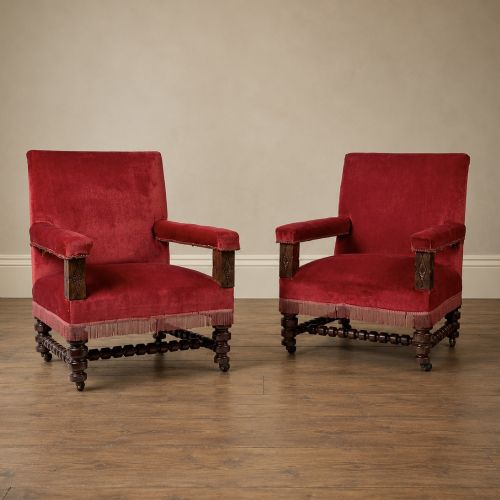


Antique Oak Easy Chairs
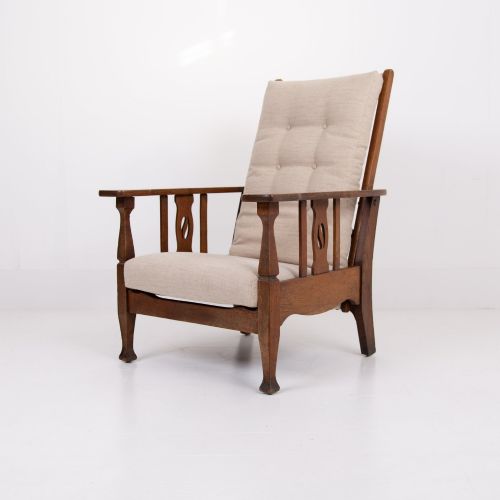
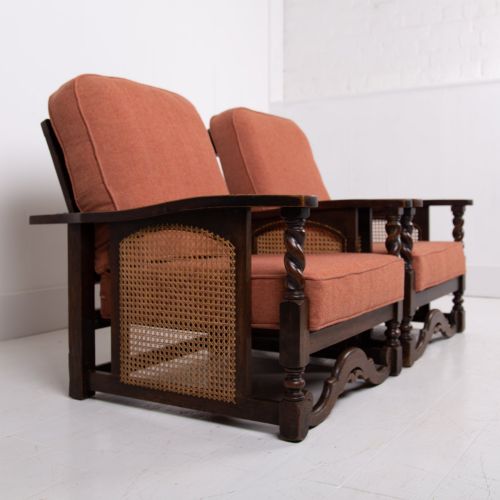
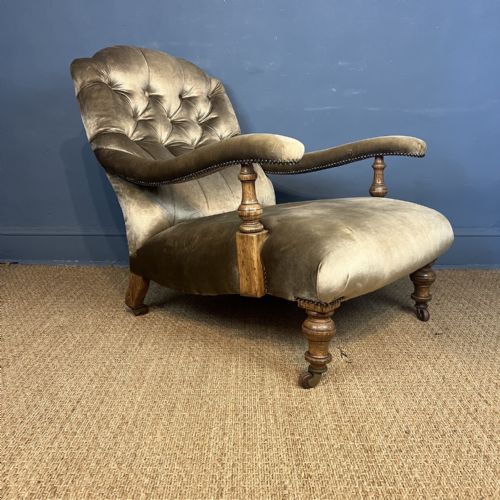
These antique oak easy chairs offer sturdy timber frames and comfortable upholstered seats, making them ideal for traditional firesides and studies.
Antique Oak Easy Chairs
Antique oak easy chairs encompass a diverse selection of seating, ranging from compact desk armchairs to large wingbacks designed for comfort. Buyers searching for antique oak easy chairs encounter pieces spanning several centuries, including Victorian, Edwardian, and earlier 18th-century examples.
The selection includes pairs and single items, often upholstered in leather, velvet, or fabric. Many incorporate traditional stylistic revivals, such as Jacobean and Carolean influences, alongside simpler vernacular forms.
Formations include open armchairs, fireside chairs, and desk armchairs with low or high backs. Structural variations such as lion head carvings and tub designs appear frequently across the periods represented.
Materials and construction
Makers utilised solid oak for the primary structural frames, often carving details directly into the timber such as lion heads or strapwork. Secondary elements frequently incorporate brass metal studs and supportive internal webbing.
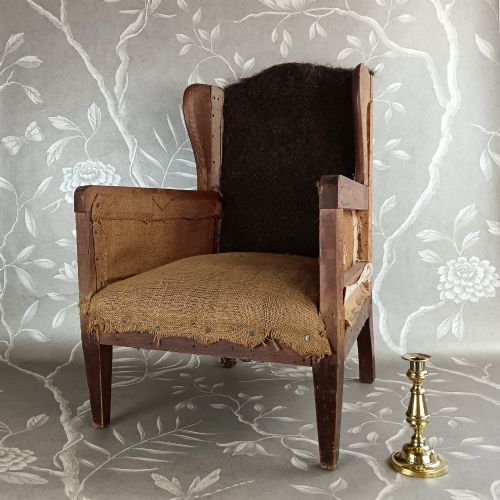
Upholstery materials comprise leather, red velvet, and standard fabric, complemented by hessian and internal cushioning. Frames combine joinery techniques with visible wooden grain and occasional turned or carved supports.
Several chairs feature carved wooden lion heads guarding the armrests, keeping a silent watch over the fireside.
Distinguishing quality
Quality in these chairs rests upon the crispness of the timber carving and the robustness of the oak framing. Heavy, substantial frames with well-executed decorative motifs sit above lighter or plain constructions.
The grade of upholstery materials, from supple leather to rich velvet, influences the overall standard. Original framing integrity and the survival of decorative brass studwork separate finer examples from standard workshop output.
The Antique Oak Easy Chairs Glossary
- Wingback armchair
- A high-backed chair with side panels designed to shield the sitter from draughts. These upholstered seats often feature prominent oak legs and deep cushioning.
- Desk armchair
- A swivel or stationary chair intended for office or library use. Examples in this category frequently incorporate a tub shape or swivel mechanism.
- Jacobean Revival
- A 19th-century stylistic movement copying 17th-century English furniture. Pieces display heavy turned legs, flat carving, and dark oak finishes.
- Fauteil
- An open-armed French armchair with exposed wooden sides. These decorative seats often feature carved oak frames and upholstered backrests.
- Aesthetic Movement
- A late 19th-century design philosophy prioritising visual beauty over narrative function. Furniture from this period exhibits refined proportions and artistic detailing.
Antique Oak Easy Chairs: Frequently Asked Questions
How do I identify a Victorian oak armchair?
Victorian oak armchairs often display revival styles like Jacobean or Aesthetic motifs, combined with heavy timber frames and dense carving.
Inspect the wood finish, joinery methods, and upholstery style to distinguish Victorian production from earlier 18th-century or later Edwardian manufacturing.
What is a Scottish School chair?
Scottish School pieces originate from regional design movements in Scotland around the early 20th century. They emphasise regional craftsmanship and distinctive timber handling.
These chairs combine traditional oak construction with local aesthetic preferences, setting them apart from standard English regional furniture of the same decade.
Are these chairs suitable for daily use?
Many antique oak easy chairs provide robust seating thanks to solid timber frames and durable leather or fabric upholstery. Modern users frequently place them in studies or living rooms.
Buyers should examine the internal webbing, cushion support, and frame stability to ensure the piece accommodates regular sitting.
What distinguishes a captain's desk chair?
Captain's desk chairs feature low, rounded tub backs designed to fit beneath a library or office desk. They often include leather upholstery and revolving bases.
These functional armchairs combine sturdy oak frames with ergonomic curving for working environments, unlike standard fireside wingbacks.
How do wingback chairs differ from open armchairs?
Wingback chairs include protective side panels attached to the backrest to block cold air around the head. Open armchairs leave the sides entirely unobstructed.
Wingbacks provide greater enclosure for fireside placement, whereas open armchairs offer lighter visual profiles for general room seating.