




Antique Oak Coat of Arms
An antique oak coat of arms brings centuries of heraldic history into a room, offering carved timber and painted detail that anchors a traditional interior.
Antique Oak Coat of Arms
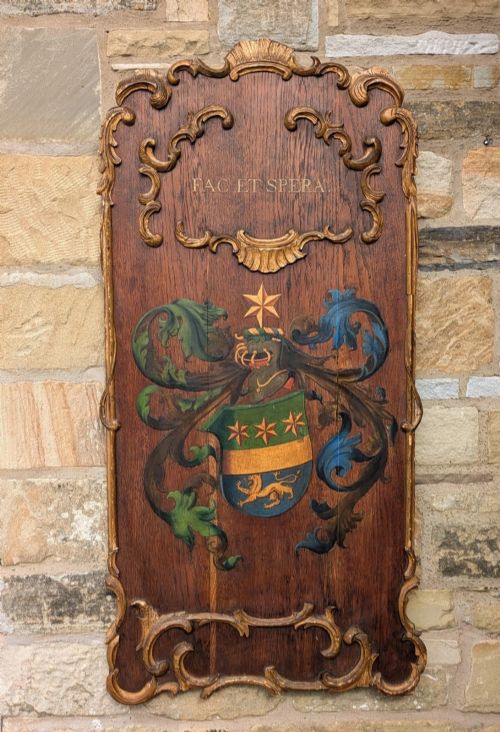
When you search for an antique oak coat of arms, you enter a field of heraldic wall plaques, carved armorial crests, and hall furnishings integrated with familial insignia. These pieces span from the seventeenth century through to the Edwardian era, showing how families and institutions displayed their lineage.
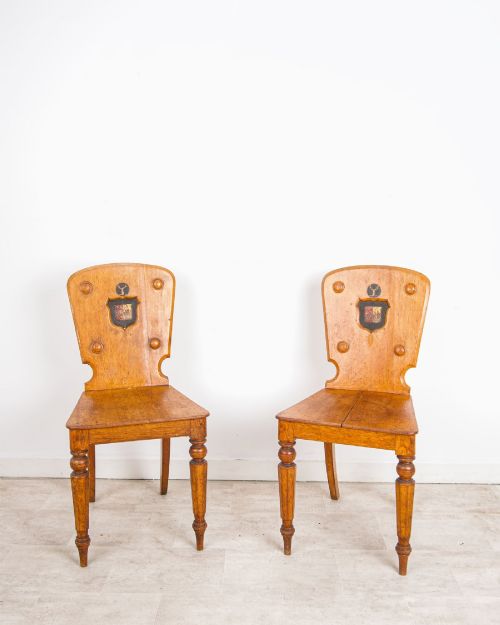
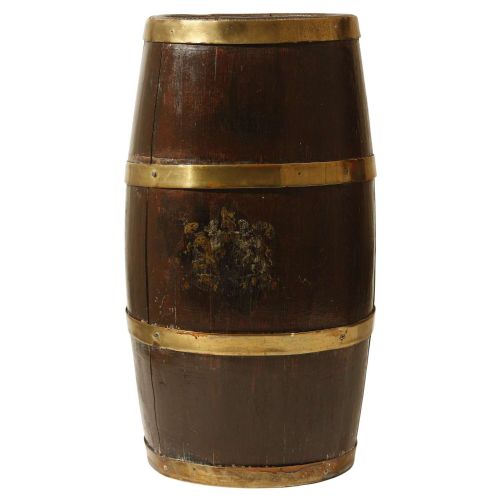
The versions most commonly met on this page include nineteenth-century wall plaques, carved polychrome painted armorial panels, and oak furniture incorporating heraldic shields. You will also find coopered oak barrel umbrella and stick stands featuring brass coats of arms, alongside hall chairs with carved shield backs.
Origin and period heavily shape these objects, ranging from Dutch embossed brass and oak fire screens to English Victorian Gothic hall cupboards. The materials combine robust hardwoods with metalwork and pigment, creating striking focal points for entrance halls and libraries.
How they were made
Makers utilised solid oak and hardwood as the primary base, shaping panels through hand carving and coopered construction for barrel forms. Iron, bronze, and chased brass were frequently incorporated to form relief plaques, frames, and decorative braces.
Surface treatment often involved polychrome paint and gilt to highlight the intricate details of the heraldic bearings. Metal elements were embossed, cast, or chased to achieve sharp definition in the crests and armorial shields.
Materials range from solid oak and hardwood to cast bronze, iron, and hand-painted polychrome surfaces.
What varies in quality
The depth and precision of the hand carving separate simpler panels from exceptional sculptural work. Crisp chisel lines in the oak and well-defined relief in the bronze or brass elements indicate superior craftsmanship.
The preservation of original polychrome paint and gilt directly influences the character of the piece. Integrated examples, where the armorial crest forms an original part of an oak hall cupboard or fire screen, hold distinct interest.
The Antique Oak Coat of Arms Glossary
- Coat of arms
- A distinct design display of heraldic bearings and insignia. It typically appears on shields, wall plaques, and carved panels.
- Armorial crest
- The uppermost component of a coat of arms, traditionally mounted on a helmet or depicted independently on plaques and book covers.
- Polychrome paint
- Decoration executed in multiple colours. It frequently highlights carved wooden details on seventeenth and eighteenth-century armorial crests.
- Coopered barrel
- A cylindrical vessel constructed from curved wooden staves bound with metal hoops. Examples on this page serve as umbrella and stick stands.
- Chased brass
- Metalwork decorated by hammering or indenting from the front to create raised designs. This technique appears on decorative fire screens and plaques.
Antique Oak Coat of Arms: Frequently Asked Questions
Where should I hang a coat of arms plaque?
These pieces suit entrance halls, libraries, or dining rooms where timber furniture and traditional decor predominate. They provide a strong vertical focal point on a plain wall.
Ensure the wall fixings can support the combined weight of the oak and metal components safely.
How do I clean an oak armorial panel?
Dust the carved wood gently with a dry, soft cloth to prevent particulate buildup in the recesses. Avoid using modern polishes or water on painted and gilt surfaces.
Maintain stable room humidity to protect both the timber and any applied metal or pigment from cracking.
What is the difference between a crest and a coat of arms?
A coat of arms encompasses the entire heraldic composition, including the shield, helm, and supporters. A crest specifically refers to the device mounted above the shield.
Many wall plaques and carved panels focus solely on the crest or the central shield bearing.
Are umbrella stands with coats of arms English?
The evidence shows oak barrel umbrella stands with brass coats of arms originating from nineteenth-century English workshops. They combine coopered oak staves with brass braces and heraldic motifs.
Other continental examples utilise similar brass and oak combinations, such as Dutch fire screens.