

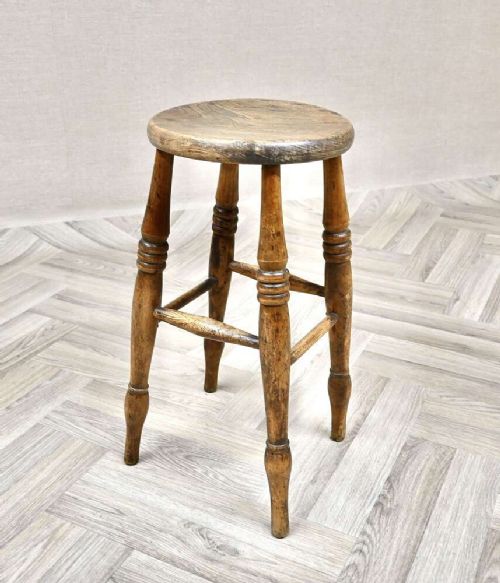
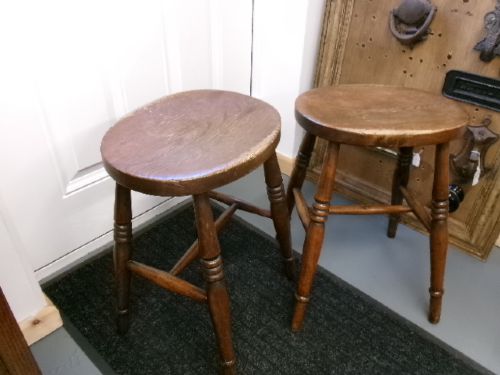


Antique Oak Bar Stool
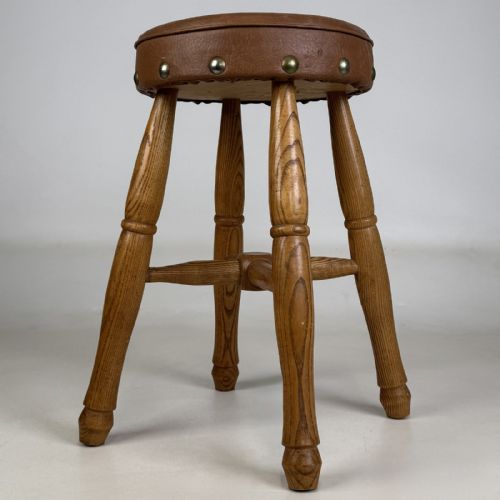
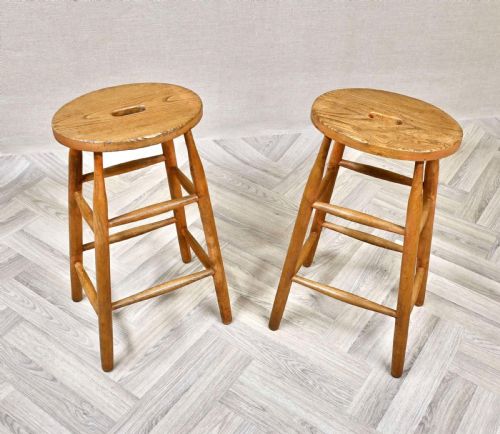
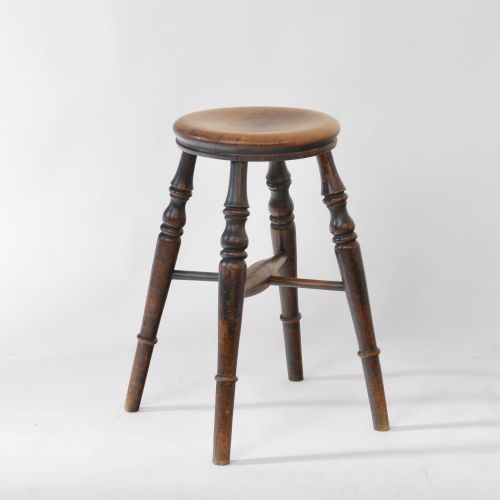
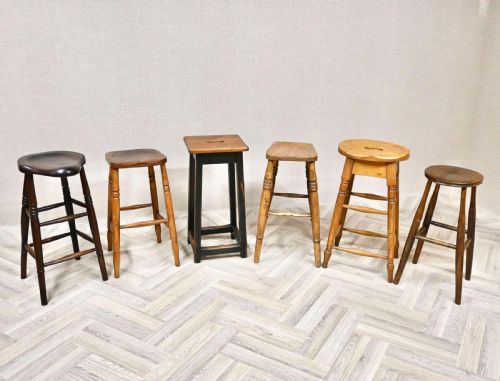
These antique oak bar stool pieces bring genuine vernacular character and sturdy height to a kitchen island or counter.
Antique Oak Bar Stool
An antique oak bar stool provides elevated seating born from practical nineteenth century workspaces, pubs and farmhouses rather than formal dining rooms. When exploring this selection, buyers frequently encounter sturdy tall forms designed for rustic interiors and high counters.
The evidence shows these items span the nineteenth century, nineteen-thirty, eighteen-ninety, and nineteen-hundred, encompassing styles such as Victorian, rustic country, and English country. Forms include clerk stools, tavern seats, and high machinist chairs intended for daily utility.
Makers and craftsmen of the period built these tall seats to withstand heavy commercial and domestic use, resulting in surviving examples with deep patination. The inventory captures everything from simple round tops to shaped seats meant for prolonged sitting.
How they were made
Joiners and country carpenters utilised solid timbers like oak, elm, sycamore, beech, pine, and hardwood to construct frames capable of supporting elevated weight. Turned legs and stretcher bracing provide structural rigidity essential for tall furniture subjected to constant movement.
Seats often feature shaped or dished wooden surfaces, carved to fit the body without upholstery, alongside occasional rush seating for texture. Traditional wedged tenon joints and sturdy underframes secure the tall legs against lateral strain.
Antique Oak Bar Stool Retail Price Guide 2026
Typical asking prices for oak bar stool among the pieces listed under this phrase on Sellingantiques today, from the lower quarter to the upper quarter. They describe what is for sale here now, not the wider market.
The documented styles span Victorian vernacular, rustic farmhouse, and English country traditions.
What varies in quality
Superior examples display balanced proportions between the height of the legs and the scale of the top, maintaining stability without feeling clumsy. The choice of timber creates a distinct hierarchy, where dense hardwoods command greater visual depth than softer utility woods.
Surface preservation marks the difference between a tired survivor and a piece with honest, untouched patination. Original joinery integrity and unclipped legs retain the true historical character intended by the maker.
The Antique Oak Bar Stool Glossary
- Dished top
- A seat surface hollowed into a shallow concave bowl shape for comfort. This shaping prevents sliding and distributes weight evenly.
- Vernacular
- Everyday utilitarian objects made by local tradesmen rather than high-style cabinetmakers. These items prioritise function and local material availability over prevailing London fashions.
- Stretcher
- Horizontal bracing connecting the legs of a stool to add structural strength. They frequently double as footrests on tall seating.
- Patina
- The surface sheen and colour acquired by wood through age, handling, and waxing. It develops naturally over decades of use.
Antique Oak Bar Stool: Frequently Asked Questions
Are antique oak bar stools sturdy enough for daily use?
These tall seats were originally built for rigorous work environments, pubs, and farmhouses, making them remarkably robust.
Their heavy hardwood frames and braced legs ensure they handle modern kitchen use with ease.
How do I match different woods in a kitchen?
Country furniture naturally embraces a mix of timber species, allowing oak, elm, and beech to sit comfortably together.
Focus on matching the overall scale and height rather than striving for identical wood grain.
What is the difference between a tavern stool and a clerk stool?
Tavern stools usually feature round or dished tops designed for public house seating and casual gathering.
Clerk stools generally offer taller, narrower proportions historically paired with high writing desks.
How do I care for an antique wooden bar stool?
Apply a traditional beeswax occasionally to nourish the dry timber and protect the historical surface.
Keep them away from direct heat sources to prevent the old wood from splitting.