



Antique Nutcracker
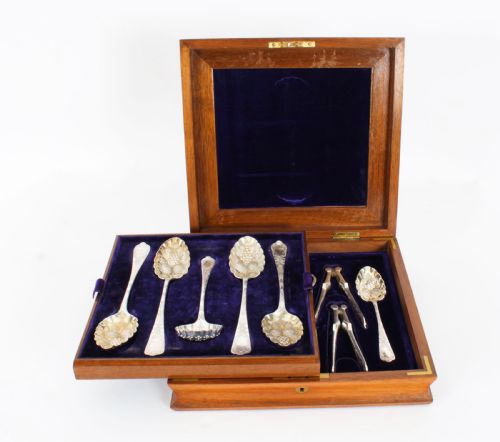
An antique nutcracker brings functional carving and Victorian novelty into the dining room through carved wood, silver plate, and brass.
Antique Nutcracker
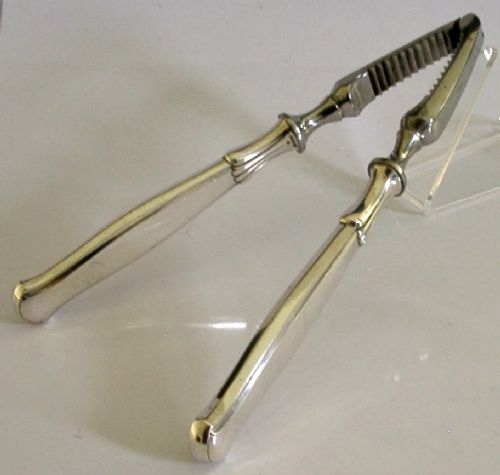
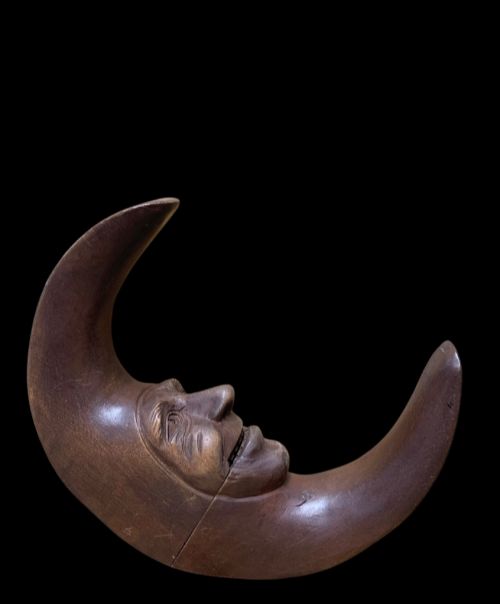
When you search for an antique nutcracker, you encounter implements designed to crack shells using mechanical leverage or heavy mass, originating from periods such as the Victorian era, Georgian period, and Edwardian years. The selection spans utilitarian treen forms to novelty carvings like squirrels, monkeys, fists, and the man in the moon.
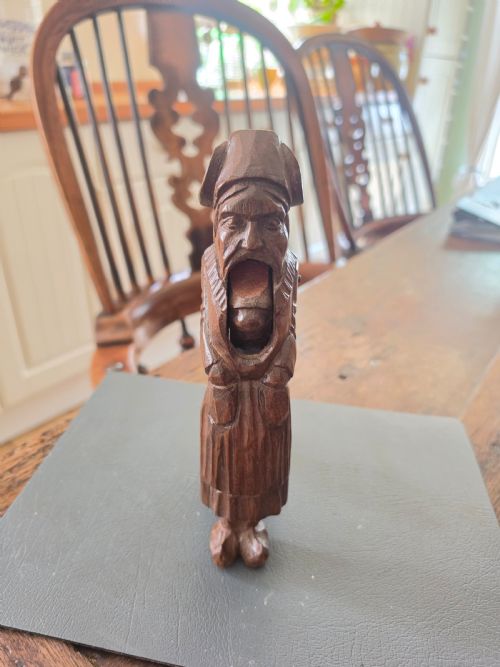
The version you are most likely to meet on this page is a carved wood example from the nineteenth century or around nineteen hundred, often associated with the Black Forest style or folk art traditions. Alongside these hand-carved wooden animal and figural forms, silver plated lever crackers and boxed serving sets appear frequently.
Beyond standard table tools, the evidence includes walking canes containing hidden nut cracking mechanisms and seafood tools like lobster crackers. These diverse objects combine domestic utility with humorous or rustic carving, reflecting nineteenth and early twentieth century table customs.
Materials and Construction
Makers utilised natural materials recorded across the inventory, predominantly hardwoods such as walnut, oak, fruitwood, and general carved wood for figural and treen pieces. Woodcarvers shaped these materials by hand, capturing anatomical details in subjects like squirrels, monkeys, and clenched fists.
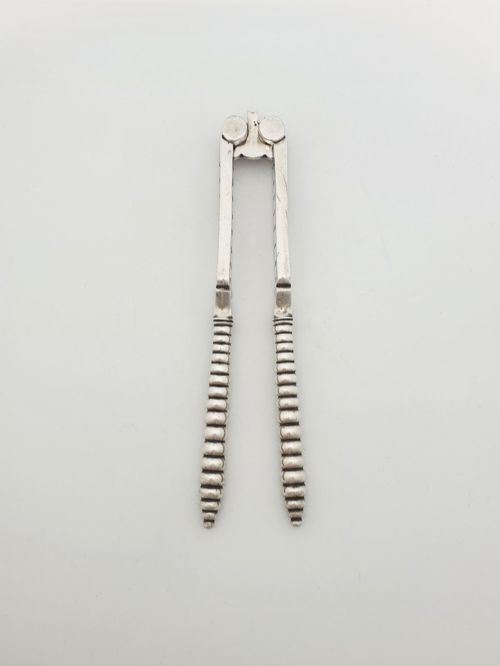
Metal versions rely on cast brass and silver plate applied to steel or base metals, often forming hinged levers or matching sets with picks and grape scissors. These metal pieces utilise casting and plating techniques to achieve durable tableware and decorative lobster crackers.
Antique Nutcracker Retail Price Guide 2026
Typical asking prices for nutcracker among the pieces listed under this phrase on Sellingantiques today, from the lower quarter to the upper quarter. They describe what is for sale here now, not the wider market.
Listings feature nineteenth century and twentieth century pieces, spanning Victorian, Edwardian, and mid-century periods alongside Black Forest styles.
Assessing Quality and Execution
Material selection and maker attribution elevate certain items, seen in signed oak pieces or heavy-gauge silver plating housed in original presentation boxes. Quality also shows in the integration of mechanical parts, where hinged joints and hidden mechanisms operate smoothly within walking canes or lever tools.
Hukin & Heath
The Antique Nutcracker Glossary
- Black Forest
- A style of wood carving originating from the mountainous region of central Europe, known for realistic animal and figural subjects. These pieces typically utilise walnut or lime wood with deep, dark finishes.
- Treen
- Small handmade wooden domestic objects produced prior to the widespread use of plastics. This term covers treen nutcrackers shaped as acorns or simple household implements.
- Silver Plate
- A thin layer of silver applied to a base metal core such as steel or copper. This technique provided the appearance of solid silver for Victorian tableware and serving sets.
- Folk Art
- Utilitarian items created by self-taught or local artisans outside formal academic traditions. Folk art nutcrackers often display charming irregularities and regional carving characteristics.
- Novelty
- Objects designed in an amusing, unexpected, or whimsical shape rather than a purely functional form. Examples include nutcrackers shaped like human hands, animals, or celestial faces.
Antique Nutcracker: Frequently Asked Questions
How do I use an antique nutcracker?
Most wooden figural pieces operate via a screw mechanism or lever action where pressure splits the shell against a fixed block. Metal lever crackers use compound leverage to crack hard shells with minimal hand force.
Exercise caution with nineteenth-century wood and antique mechanisms to avoid stressing brittle vintage materials. Modern nuts with extremely hard shells are best kept away from delicate antique wooden teeth.
What is a Black Forest nutcracker?
Black Forest nutcrackers are nineteenth-century carved wooden pieces, usually depicting animals, bears, or clenched fists with expressive detail. They originated in central European carving communities for the export market.
These carvings are prized for their theatrical expressions and tactile use of walnut and fruitwood. They represent a distinct subgenre of nineteenth-century folk art and novelty treen.
How are wooden and metal nutcrackers different?
Wooden nutcrackers rely on sculptural carving, screw threads, or hinged jaws, often taking the form of animals or human figures. Metal examples utilise cast brass or silver plate with hinged levers designed for heavy table use.
Wooden variants emphasise decorative craftsmanship and folk art appeal, while metal versions tend toward durable dining utility. Both styles reflect the domestic dining habits of the Victorian and Edwardian eras.
How do I display antique nutcrackers?
Display these pieces on open shelving, sideboards, or within dining room cabinets where their sculptural forms remain visible. Figural carvings and novelty treen double as decorative ornaments when not in active use.
Keep wooden items away from direct heat sources and strong sunlight to prevent the natural wood from drying out or splitting. Occasional gentle dusting preserves the historic surface patina.