





Antique Novelty Light
An antique novelty light brings witty, figurative design into domestic spaces, turning everyday illumination into a conversation piece.
Antique Novelty Light
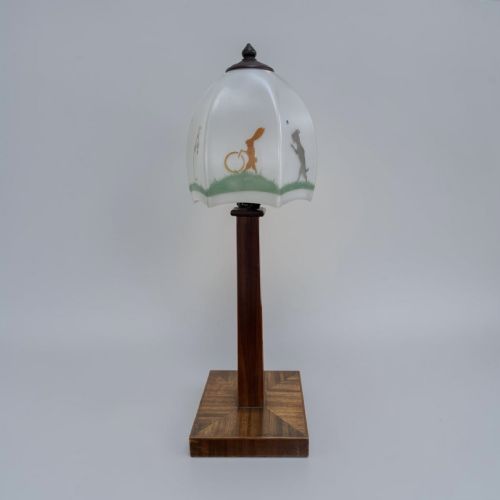
When you search for an antique novelty light, you enter a domain where utilitarian lighting meets playful, figurative sculpture. These pieces take familiar forms like animals, nautical vessels, and architecture, repurposing them into functional illumination.
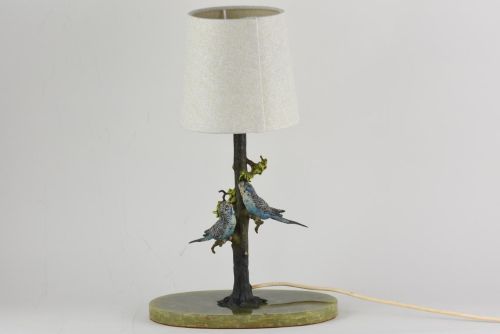
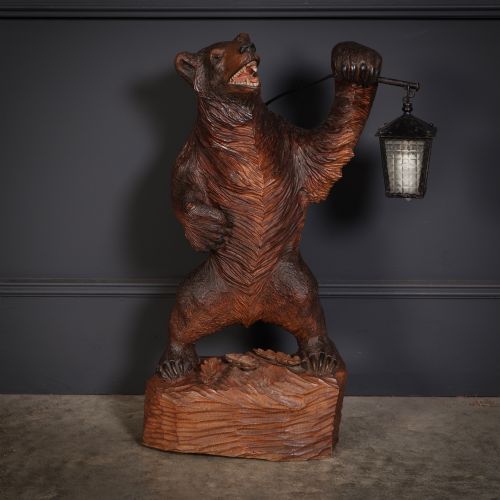
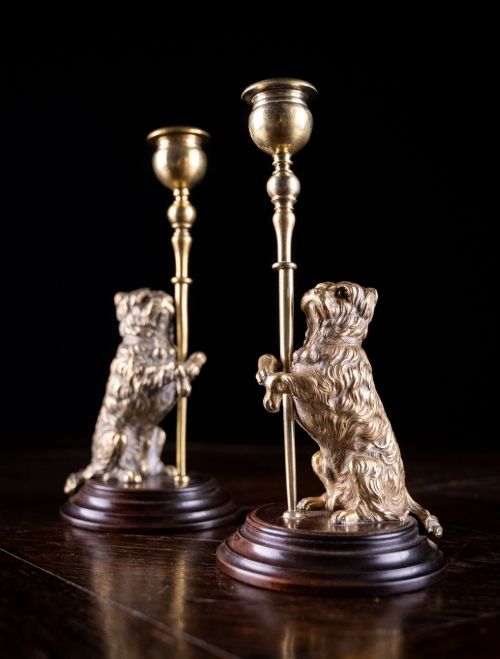
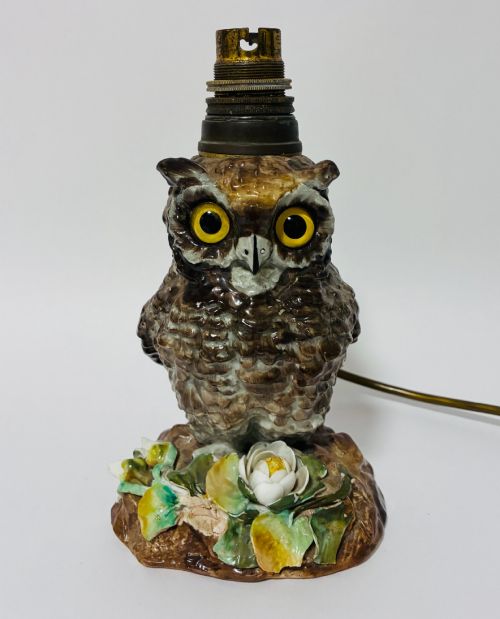
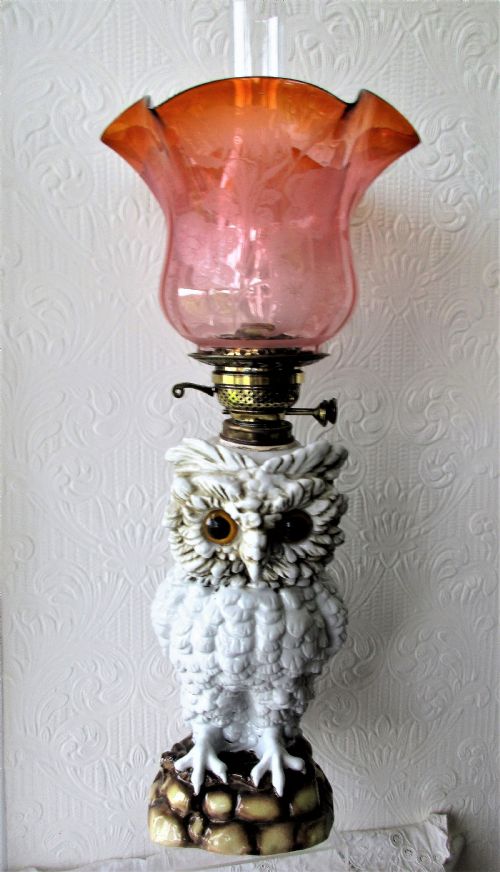
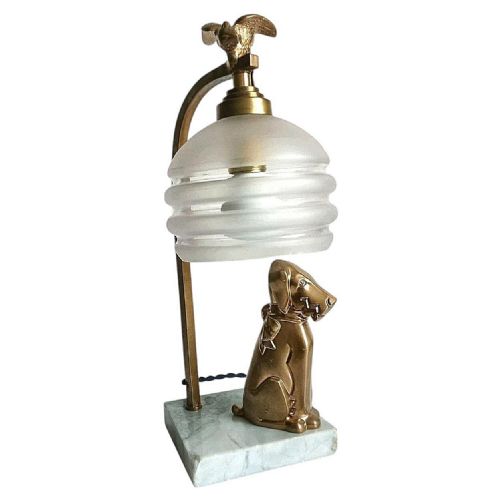
The selections here span periods from the nineteenth century through the Art Deco era, encompassing Victorian porcelain owls, carved wooden bears, and chrome yacht lamps. Animal figures, particularly dogs and birds, dominate the domestic lighting formats.
Makers utilised various base objects, sometimes converting items like andirons or books into lamps. Buyers encounter everything from delicate German porcelain oil lamps to sturdy cast iron and carved linden wood sculptures.
Materials and construction methods
The physical construction relies heavily on moulded porcelain, cast brass, and carved wood, reflecting the dominant manufacturing techniques of the nineteenth and early twentieth centuries. German factories employed skilled modellers to shape detailed animal figures, while Black Forest workshops utilised Linden wood for deep relief carvings.
Metalworking techniques produced items from gilded brass sword guards to heavy cast iron animal figures, often requiring assembly from multiple components. Many surviving examples show subsequent adaptation, such as nineteenth-century oil lamps or andirons converted later for electrical wiring.
Antique Novelty Light Retail Price Guide 2026
Typical asking prices for novelty light among the pieces listed under this phrase on Sellingantiques today, from the lower quarter to the upper quarter. They describe what is for sale here now, not the wider market.
Listings feature items spanning the nineteenth century through the Art Deco era, utilising brass, porcelain, wood, and glass.
Separating standard examples from exceptional pieces
Quality rests on the crispness of the modelling and the artistic fidelity of the sculptural form, whether depicting a bird, a ship, or a mammalian subject. Finer porcelain specimens retain hand-painted enamel details and clear factory marks, whereas inferior alternatives show softer moulding and faded pigments.
Material integrity and the preservation of original mechanisms dictate the standing of a piece within its category. Items that retain their original intended form without clumsy adaptation or excessive replacement parts hold greater appeal for discerning collectors.
Argilor Paris·Ernst Bohne & Sohn·Sitzendorf
The Antique Novelty Light Glossary
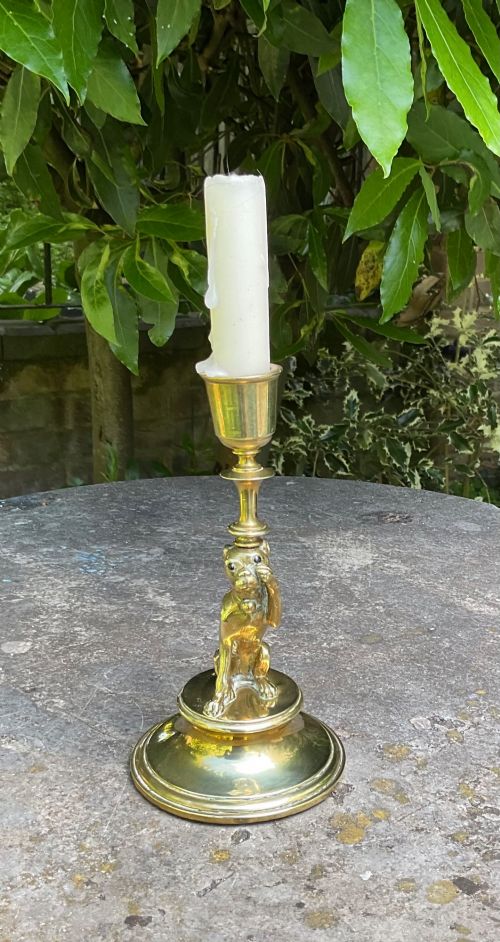
- Chamberstick
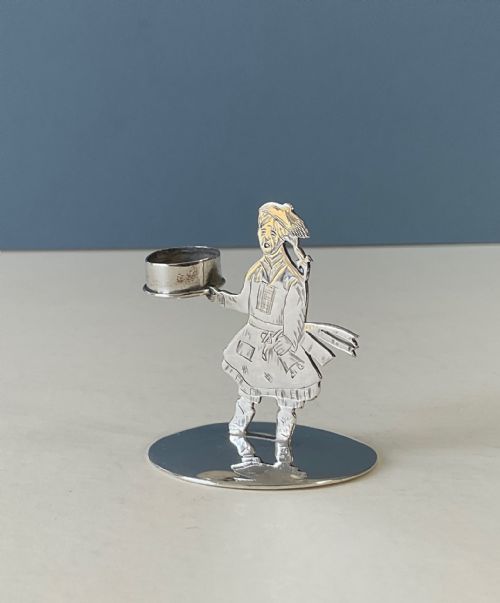
- A short candlestick fitted with a pan collector and a finger ring for carrying around a house at night. These portable lights appear in silver and other metals across the Victorian period.
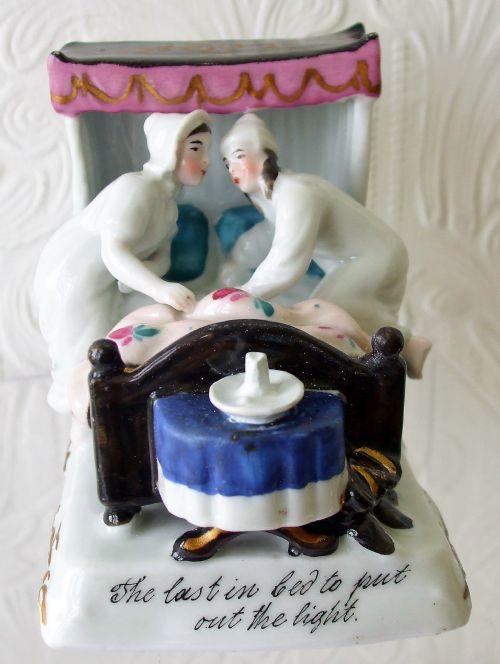
- Fairing
- A small, humorous ceramic ornament produced in Germany during the nineteenth century, often bearing a titled narrative scene. These cabinet pieces occasionally incorporate lighting or candle elements.
- Andiron
- A horizontal metal support used in pairs inside an open hearth to hold logs. Some novelty lights repurpose these heavy iron supports into striking table lamps.
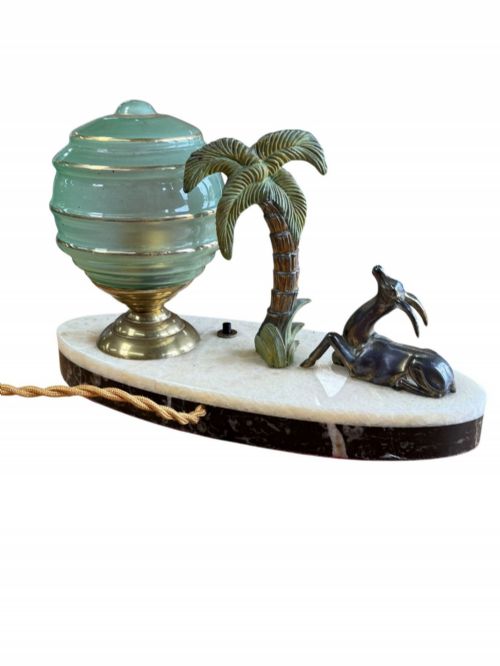
- Perfume lamp
- A small decorative lighting fixture designed to warm scented oils and diffuse fragrance into a room. French Art Deco examples often pair figurative ceramics with this dual function.
- Linden wood
- A pale, fine-grained timber favoured by carvers for its cooperative texture and lack of prominent grain. Black Forest workshops utilised this specific wood for intricate animal sculptures.
Antique Novelty Light: Frequently Asked Questions
What defines an antique novelty light?
These pieces combine practical illumination with whimsical or figurative sculpture, taking shapes such as animals, lighthouses, and ships.
They reflect historical shifts in domestic taste, moving from utilitarian candleholders to decorative electric lamps.
How were old oil lamps converted?
Many nineteenth-century lighting items and household objects were adapted for electricity during the twentieth century to suit modern domestic needs.
This process often involved drilling through original porcelain, metal, or wood bases to thread electrical cord.
How do I date an antique novelty light?
Dating relies on stylistic markers, such as Victorian realism versus Art Deco geometric abstraction, alongside material composition.
Maker marks stamped on porcelain bases or stylistic clues in clothing and objects help narrow down the decade of manufacture.
Where should I place these lamps?
Their sculptural nature makes them suitable as accent pieces on sideboards, desks, or mantelpieces where the form remains visible.
Placing them away from heavy foot traffic protects delicate porcelain extremities and carved wooden elements from accidental bumps.