



Antique Novelty Furniture
These pieces of antique novelty furniture combine practical household forms with playful animal carvings and miniature silver scales to amuse the eye.
Antique Novelty Furniture
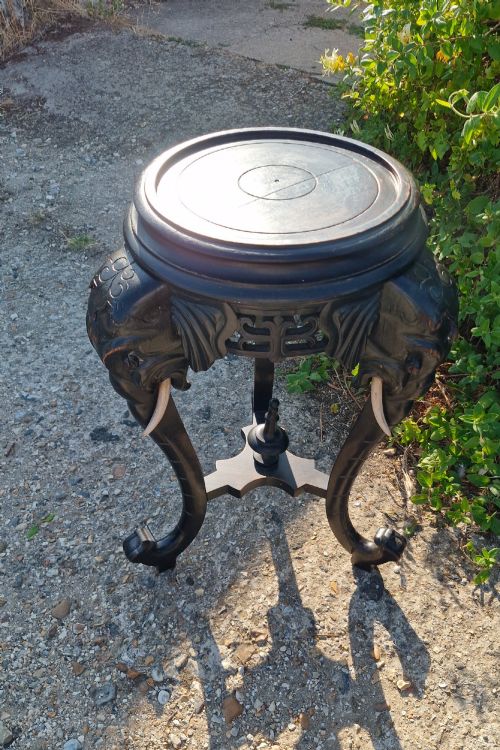
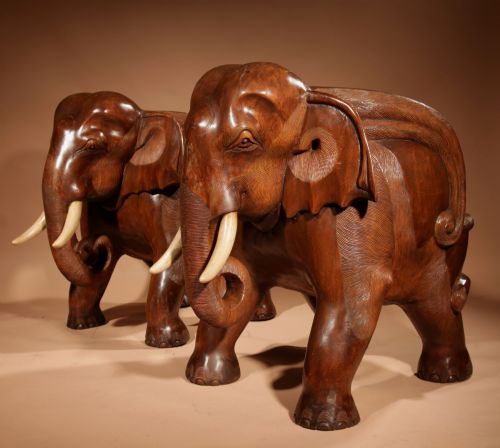
Smaller examples include miniature silver furniture pieces such as sofas, pole screens, and dressing table jewellery boxes. Larger items span late Victorian elephant tables with painted wooden tusks alongside rosewood tea caddies shaped as sideboards.
The objects cross multiple periods including Victorian and Edwardian eras, as well as Regency and Georgian revival styles. Anglo-Indian influences also appear within the varied wooden and silver forms.
How they were made
Silver items are cast and worked to replicate full-sized furniture down to miniature mirrors and upholstery details. The combination of dense hardwoods and polished silver reflects traditional artisan techniques across different workshops.
Antique Novelty Furniture Retail Price Guide 2026
Typical asking prices for novelty furniture among the pieces listed under this phrase on Sellingantiques today, from the lower quarter to the upper quarter. They describe what is for sale here now, not the wider market.
Listings for antique novelty furniture on this site span the nineteenth century through the 1920s, featuring both carved Linden wood and sterling silver.
What varies in quality
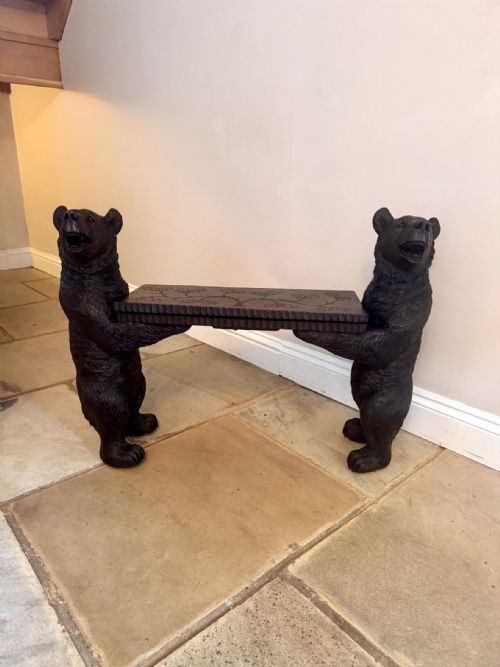
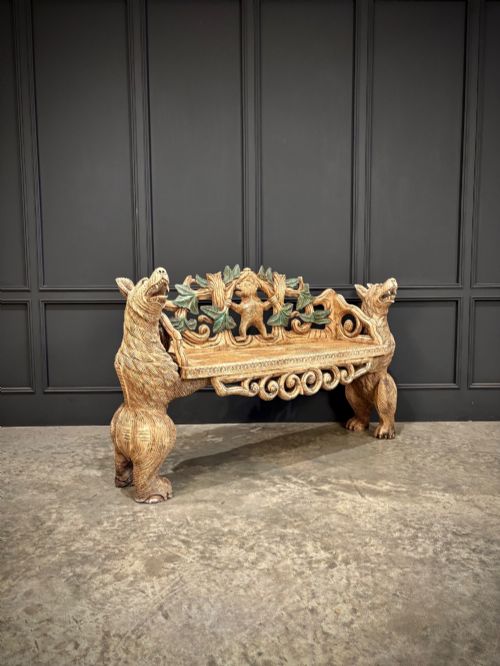
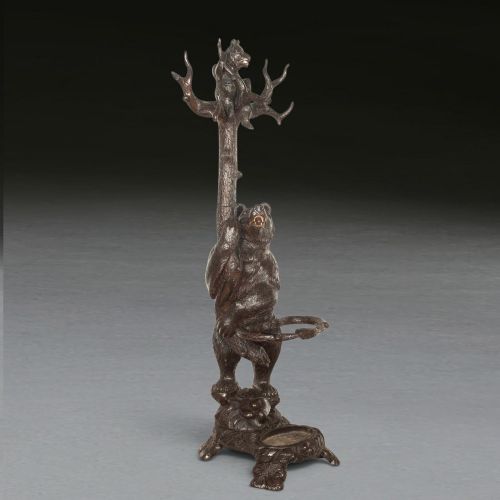
The standard of carving defines the upper tier of wooden pieces, particularly in the muscular definition and expression of Black Forest bear figures. Proportional accuracy distinguishes superior miniature silver furniture from cruder novelty items.
Material selection also dictates overall merit, separating substantial carved hardwoods from softer painted woods. Preserved surface detail across both wood and silver indicates the original maker's skill.
The Antique Novelty Furniture Glossary
- Black Forest
- A style of wood carving originating from the central European mountain region, known for realistic animal sculptures. Pieces frequently incorporate bears into functional items like hall stands and benches.
- Sterling silver
- A silver alloy containing ninety-two point five percent pure silver by mass, utilised for miniature furniture and jewellery boxes. This metal provides the necessary durability for intricate domestic details.
- Linden wood
- A pale, fine-grained timber favoured by carvers for its uniform texture and lack of prominent grain. It allows for the deep undercut details seen in figural furniture.
- Pole screen
- A freestanding fireplace screen with an adjustable panel designed to shield a person's face from radiant heat. Miniature versions appear in silver novelty items.
Antique Novelty Furniture: Frequently Asked Questions
What is antique novelty furniture?
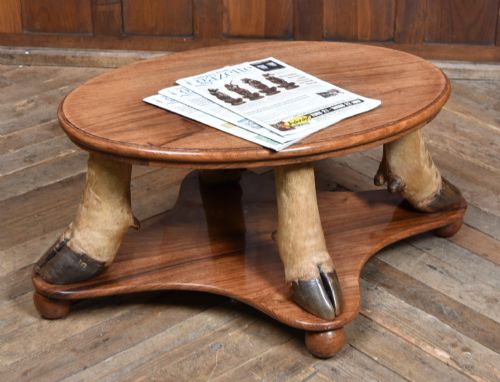
Antique novelty furniture encompasses functional items and decorative models shaped like animals, miniature household objects, or architectural forms. These pieces bridge the gap between utility and playful sculpture.
Items range from substantial carved wooden hall stands and benches to tiny silver sofas and dressing tables. They reflect a Victorian and Edwardian taste for wit within domestic decoration.
How were Black Forest carved bears used?
Carved wooden bears served practical roles within the home as seating benches, umbrella holders, and hallway umbrella stands. Their strong wooden frames supported the weight of coats and seated visitors.
These sculptures brought a touch of rustic wildlife into formal Victorian hallways and sitting rooms. The animals often held trays or featured hinged seats for storage.
How do I date antique novelty furniture?
Dating relies on examining the material types, stylistic revivals, and hallmarks stamped onto silver components. Victorian and Edwardian examples often display specific design motifs linked to their decade of manufacture.
Wooden items require assessing the tool marks, wood ageing, and stylistic influences such as Regency revival or Black Forest traditions. Comparing the form to known period catalogues helps confirm the era.