





Antique Novelty Dispenser
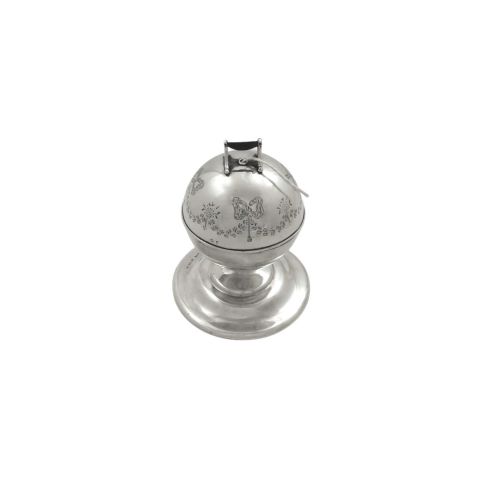
These antique novelty dispenser items combine practical desk and barware functions with whimsical Victorian and Edwardian shapes.
Antique Novelty Dispenser
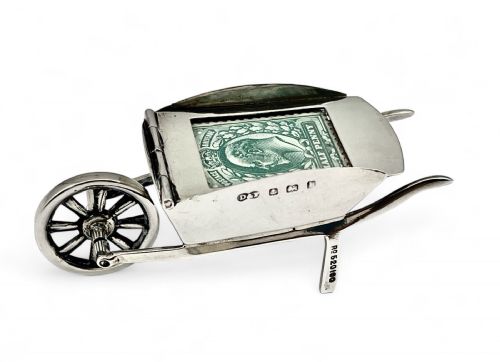
An antique novelty dispenser takes a utilitarian object like a tape holder, match striker, stamp box or spirit barrel and gives it a playful shape. The selection here spans the Victorian and Edwardian eras, running through George V and continental examples.
How they were made
Makers utilised sterling silver and silver plate for refined desk pieces and stamp boxes, often hallmarked in London or Birmingham during the late nineteenth and early twentieth centuries. Brass and carved wood gave artisans the scope to model animals and structural objects like wheelbarrows with distinct character.
Glasswork involved frosted crystal for spirit barrels, while cooperage techniques shaped oak into miniature casks for whiskey, gin and brandy. These varied materials united function with detailed sculptural novelty.
Antique Novelty Dispenser Retail Price Guide 2026
Typical asking prices for novelty dispenser among the pieces listed under this phrase on Sellingantiques today, from the lower quarter to the upper quarter. They describe what is for sale here now, not the wider market.
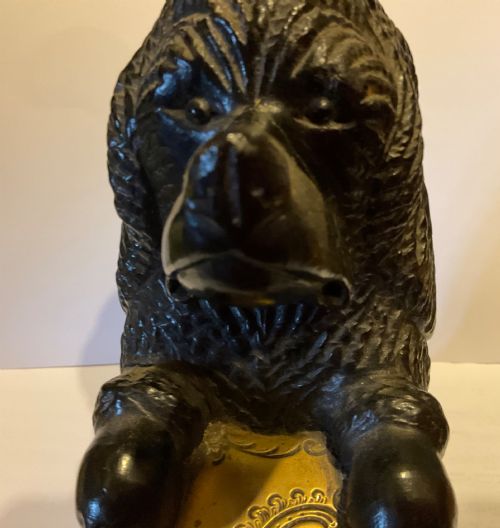
Several items disguise everyday utility as a carved wooden dog or a brass parrot waiting on the desk.
What varies in quality
Quality rests in the precision of the modeling and the crispness of casting or carving, particularly on animal figures like the begging dog or parrot. Superior examples retain intact internal mechanisms, smooth slide openings, and clear assay marks on the silver components.
The integration of the functional element into the whimsical design dictates the desirability of the piece. Well-preserved wooden staves on barrels and undamaged frosted crystal sections separate the finest specimens from ordinary domestic items.
William Comyns
The Antique Novelty Dispenser Glossary
- Sterling silver
- A silver alloy containing 92.5 percent pure silver by mass, widely used for quality desk accessories and fitted stamp boxes. It ensures durability while allowing for fine decorative chasing.
- Silver plate
- A layer of silver applied to a base metal core, common in nineteenth-century barware and dispenser sets. It offered an accessible alternative to solid precious metal.
- Frosted crystal
- Glass treated to produce a textured, translucent surface, frequently employed for nineteenth-century spirit barrels and drink dispensers. It diffuses light and hides minor condensation.
- Hallmark
- An official stamp applied to precious metals indicating the standard of purity, the assay office, and the date of manufacture. These marks help date Victorian and Edwardian silver pieces accurately.
- Match holder
- A domestic container designed to store safety matches and often incorporate a striking surface. Novelty versions often disguised these items as animals or everyday objects.
Antique Novelty Dispenser: Frequently Asked Questions
How do I identify a Victorian piece?
Victorian items often feature clear hallmarks indicating the assay office and exact year of manufacture, alongside characteristic styling of the period.
Materials like carved wood, heavy brass, and sterling silver also point to the craftsmanship typical of the nineteenth century.
Were these items used daily?
Original owners used them regularly for practical tasks such as dispensing stamps, string, matches, and spirits from miniature casks.
Their robust construction in silver, wood, and brass ensured they survived decades of everyday domestic or commercial handling.
How do I care for silver and wood dispensers?
Silver components benefit from gentle cleaning with a soft cloth to preserve hallmarking and surface detail without harsh abrasion.
Wooden barrels and carved figures require dry conditions to protect the grain and prevent movement in the timber.