



Antique Nordic Side Table
An antique nordic side table brings calm proportions and pale woods into a room, offering simple utility with quiet grace.
Antique Nordic Side Table
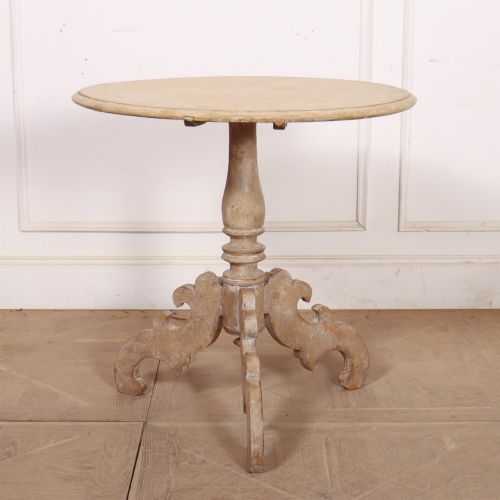
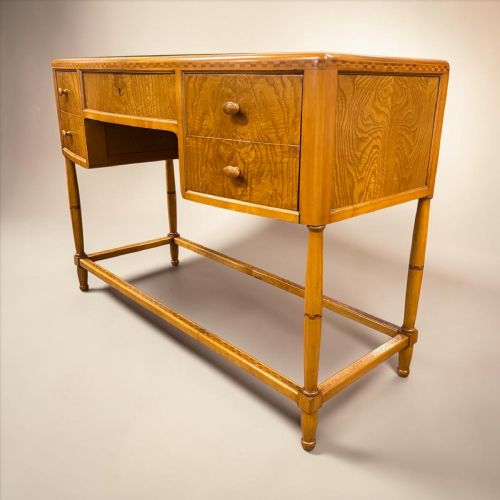
An antique nordic side table combines clean northern European lines with practical surfaces designed for domestic use. The pieces seen here span console tables, occasional tables, lamp tables, and pedestal tables originating from Sweden.
Most examples date from the nineteenth century down to nineteen thirty, showing how makers adapted traditional forms into lighter, painted or polished designs. Pine, elm, birch, and burr birch form the core of these constructions, often finished with lime wash or historic paint.
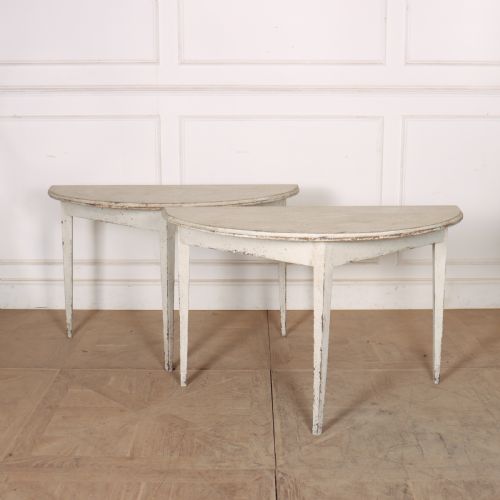
Buyers meet both restrained country pieces and more formal urban designs like demi-lune console tables. This selection relies heavily on nineteenth century Scandinavian craft alongside select early twentieth century modernist influences.
How these tables were constructed
Makers utilised native softwoods and hardwoods such as pine and elm for structural stability and everyday resilience. Timbers were selected for grain pattern and adaptability to simple carpentry joints.
Surfaces frequently received layers of paint or lime wash, softening the visual weight of the timber and reflecting light in dark northern winters. Burr birch veneers provided decorative figure on more ambitious occasional tables.
Brass fittings appeared on select later pieces, offering subtle functional contrast to the pale wood and painted finishes. Construction methods remained straightforward, prioritising solid joinery and honest utility.
Antique Nordic Side Table Retail Price Guide 2026
Typical asking prices for nordic side table among the pieces listed under this phrase on Sellingantiques today, from the lower quarter to the upper quarter. They describe what is for sale here now, not the wider market.
Swedish bakers apparently needed tables too, though we suspect this one spent more time holding yeast than kneading dough.
What separates the finest examples
Quality rests upon the integrity of the timber selection and the retention of original surface treatments. Tables displaying untouched historic paint or well-figured burr birch hold greater character than later re-painted iterations.
Proportion and proportioned turning dictate visual success, separating robust utility items from refined architectural console tables. Subtle details in edge moulding and leg taper distinguish superior regional workshops from basic domestic joinery.
The Antique Nordic Side Table Glossary
- Demi-lune
- A half-moon shaped table designed to stand flat against a wall. These pieces often function as console tables in narrow hallways or living spaces.
- Burr birch
- A growth deformity in the birch tree yielding intricate, swirling grain patterns. Cabinetmakers sliced this timber into veneers for decorative table tops.
- Lime wash
- A traditional coating made from slaked lime and water, sometimes mixed with pigment. It protects wood while leaving a chalky, breathable matte finish.
- Console table
- A table supported by brackets or legs against a wall. These forms served decorative and display purposes in formal rooms.
Antique Nordic Side Table: Frequently Asked Questions
How do I style an antique nordic side table?
Keep the surrounding space uncluttered to let the pale wood and clean lines command attention. Pair the table with simple ceramics or a modest lamp.
Avoid heavy drapery or competing rustic furniture nearby. Let natural light fall across the surface to highlight the grain and paint texture.
Are these tables suitable for daily use?
Solid pine and elm construction ensures these tables handle everyday demands easily. Use coasters to protect historic painted or polished surfaces from moisture rings.
Routine dusting with a dry cloth keeps the timber and paintwork preserved. Treat the surface with care to maintain its historic integrity over decades.
How can I tell the period of a nordic table?
Nineteenth century pieces often show hand-planed surfaces and pegged joinery beneath layers of old paint. Later examples from nineteen thirty introduce streamlined Art Deco geometry and unpainted birch.
Examine the underside and drawer construction for tool marks and timber ageing. Hardware and fastening types also provide clear clues to the manufacturing decade.
What is the difference between a console and a side table?
Console tables historically stood against walls and occasionally featured front legs only, relying on wall brackets for support. Side tables stand independently on four legs anywhere in a room.
Both forms served utilitarian purposes in Scandinavian interiors, though consoles often leaned toward more decorative reception room roles.