



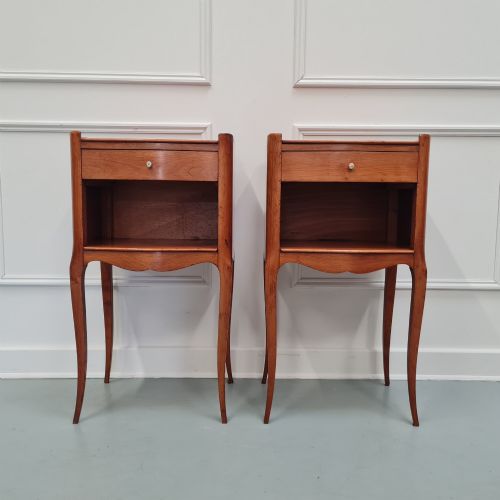

Antique Nightstand with Shelf
An antique nightstand with shelf provides a compact surface and open storage beside the bed, crafted in timber and marble.
Antique Nightstand with Shelf
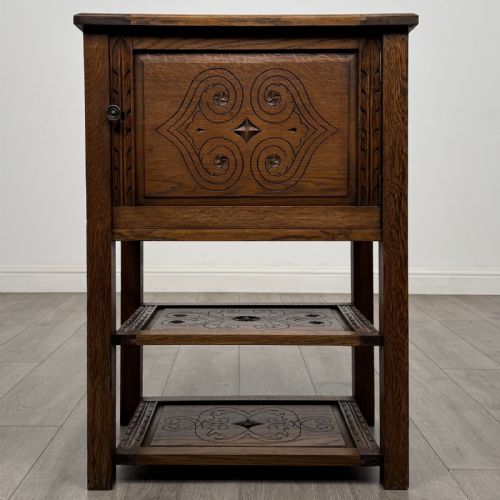
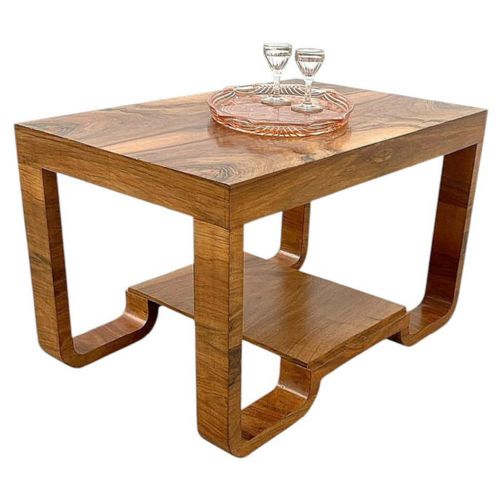
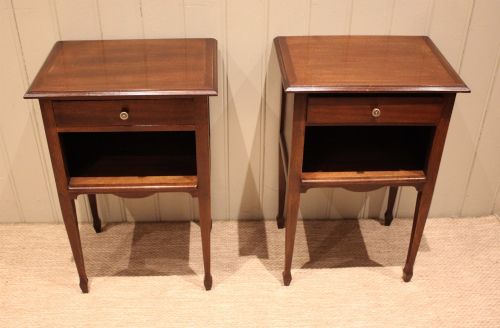
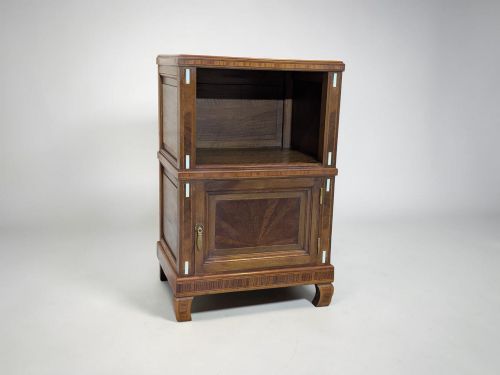
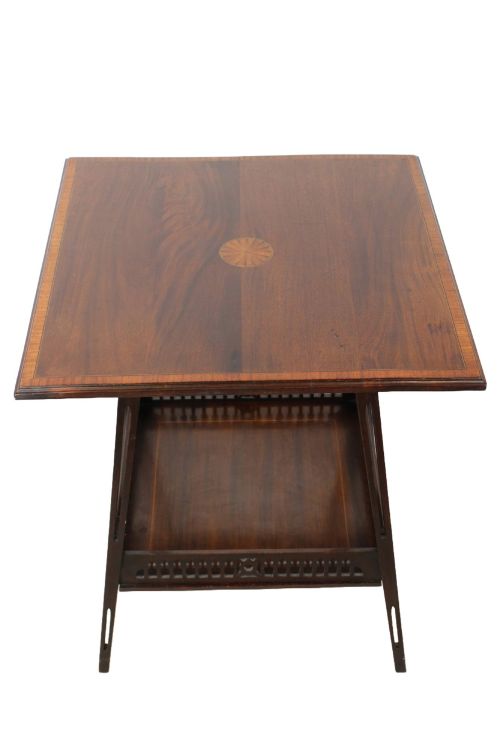
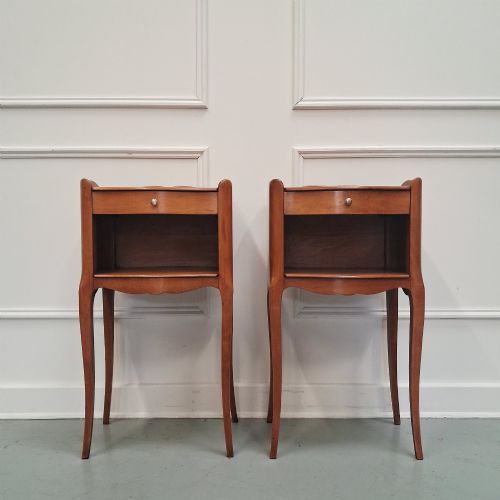
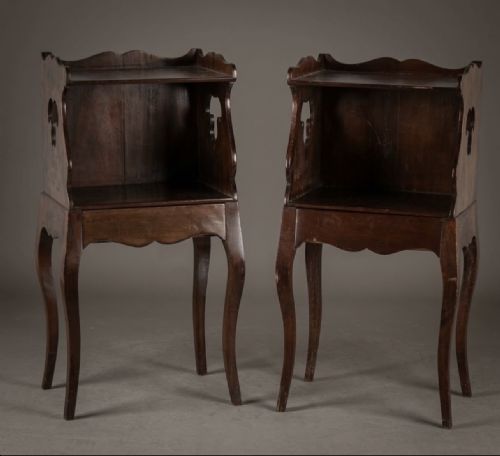
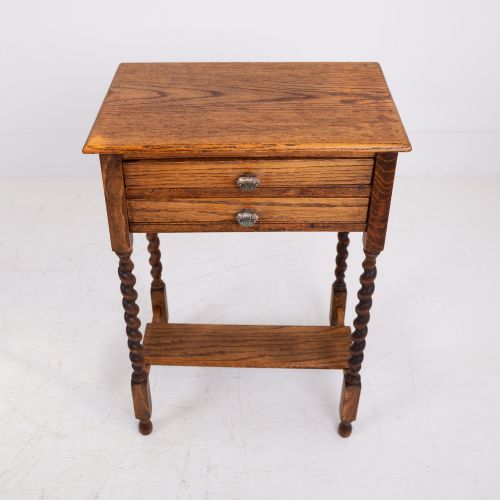
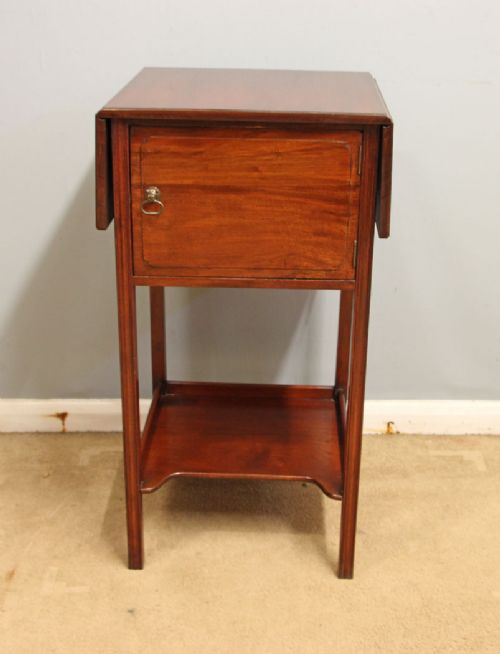
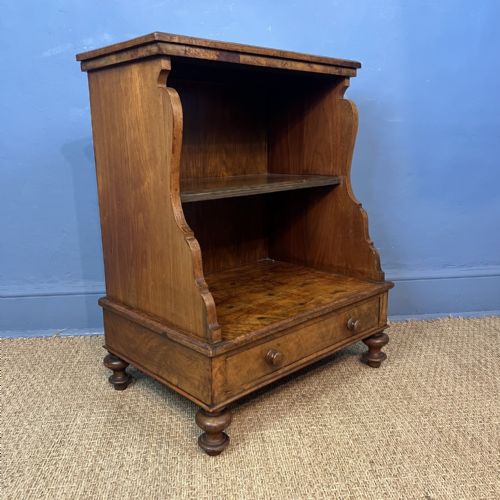
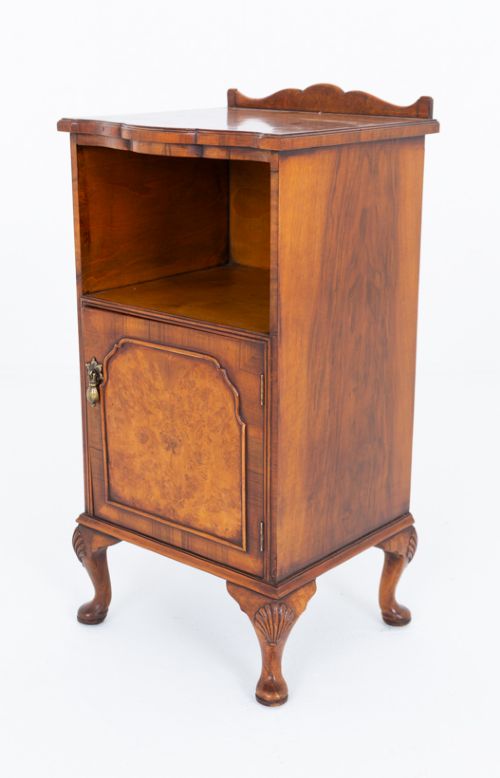
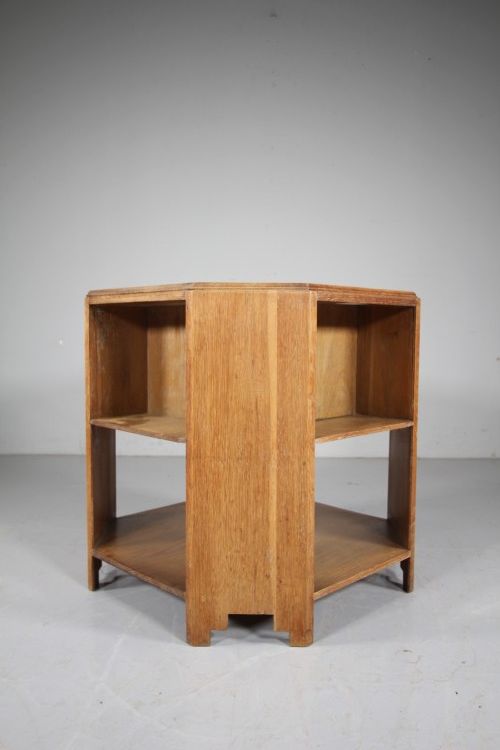
An antique nightstand with shelf combines the height of a bedside table with an open tier or cabinet space beneath. These pieces appear in forms such as bedside cabinets, side tables, and small bookcases spanning the Edwardian period through to the 1930s.
The versions most commonly met on this page date from the Edwardian era and the early twentieth century, constructed primarily in mahogany or oak. They serve to hold lamps and books while offering practical storage within a small footprint.
How they were made
Cabinetmakers utilised solid timbers and veneers including mahogany, walnut, burr walnut, and oak to build these tables and cabinets. Selected pieces incorporate brass hardware, satinwood inlay, or green marble tops set into the wood.
Construction techniques include bracket feet, tapered legs, and tiered shelving arrangements. Joinery methods reflect the periods of manufacture, ranging from late Georgian framework to Edwardian and 1920s cabinetmaking.
Antique Nightstand with Shelf Retail Price Guide 2026
Typical asking prices for nightstand with shelf among the pieces listed under this phrase on Sellingantiques today, from the lower quarter to the upper quarter. They describe what is for sale here now, not the wider market.
Listings on this page span the Georgian period, the Edwardian era, and the 1920s, utilising materials such as brass, marble, mahogany, oak, and burr walnut.
What varies in quality
The distinction between standard examples and finer items lies in the selection of timber figure, such as burr walnut or figured mahogany, and the precision of inlaid satinwood details. Cabinet work that integrates stone tops like green marble or incorporates finely turned legs represents a higher tier of production.
Proportion and structural integrity also separate pieces within this range. Items retaining original brass fittings and sound joints demonstrate superior craftsmanship compared to later alterations or heavy restorations.
Trevor Page & Co
The Antique Nightstand with Shelf Glossary
- Edwardian
- A period spanning from roughly 1901 to 1910, known for lighter furniture forms and classical revival styles. Pieces from this era often feature mahogany with delicate inlay.
- Mahogany
- A durable tropical hardwood valued for its reddish-brown colour and stable grain, frequently utilised in side tables and bedside cabinets.
- Burr walnut
- A wood harvested from the growth excrescences of walnut trees, yielding complex swirling grain patterns used for decorative cabinet veneers.
- Bracket foot
- A structural foot shape resembling a bracket, fixed beneath the corners of case furniture such as small bookcases and cabinets.
- Whatnot
- A piece of furniture consisting of open shelves for displaying small objects, appearing in multi-tier formats during the Georgian and Edwardian periods.
Antique Nightstand with Shelf: Frequently Asked Questions
What is an antique nightstand with shelf used for?
These pieces function primarily beside a bed to hold reading lamps, clocks, and books within easy reach.
The lower shelf or enclosed cabinet provides additional storage space for nighttime essentials while keeping the top surface clear.
How do I identify an Edwardian nightstand?
Edwardian pieces typically feature lighter proportions, mahogany timbers, and decorative details like satinwood inlay or tapered legs.
They reflect the design tastes of the first decade of the twentieth century, favouring refined elegance over heavy Victorian mass.
Are marble top bedside tables practical?
Marble top tables offer a durable, heat-resistant surface that easily withstands water rings from glasses or the base of a lamp.
The stone insert adds weight and stability to smaller bedside cabinets while introducing a contrasting texture to the timber.
How do I care for mahogany bedside furniture?
Keep wooden surfaces away from direct sunlight and strong heat sources to prevent the timber from drying out or fading over time.
Dust regularly with a soft dry cloth and apply occasional appropriate wax polish to maintain the finish of the wood.