






Antique Newcastle Silver
Antique newcastle silver brings provincial English assay work to the table, offering substantial hollowware and flatware stamped with the three castles.
Antique Newcastle Silver
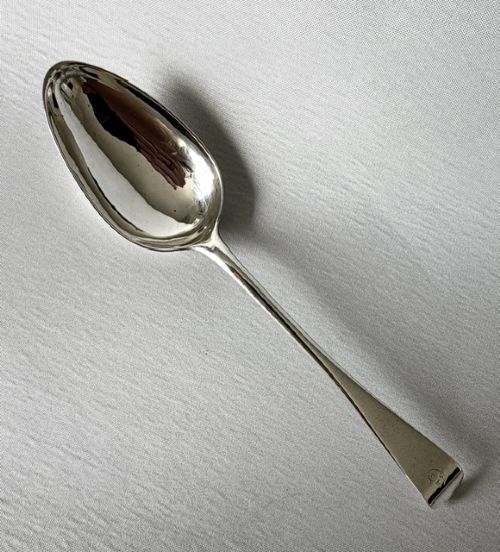
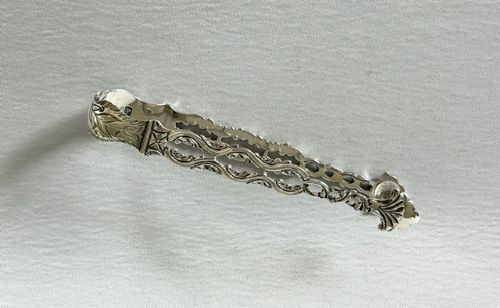
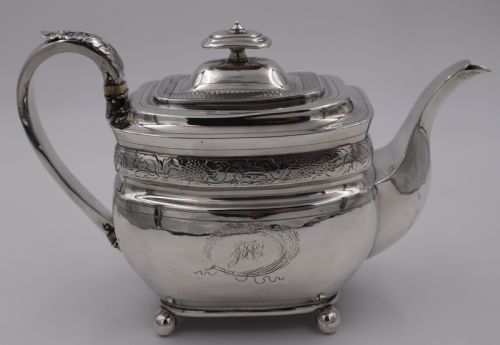
These pieces comprise provincial English silver originating from the northern assay office, spanning domestic hollowware and table flatware. The selection centres heavily upon Georgian and Victorian forms such as teapots, tankards, serving spoons and sugar tongs.
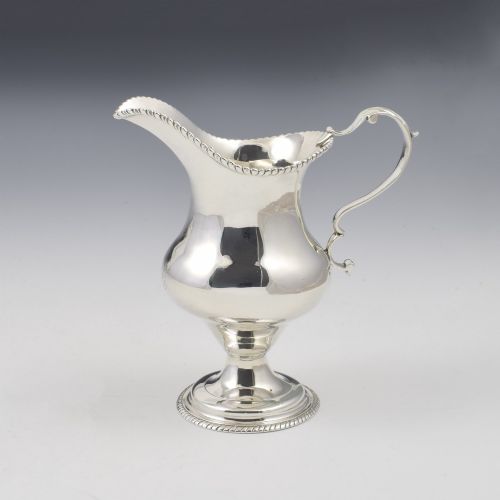
Buyers encounter substantial drinking vessels alongside smaller items like cream jugs and mustard pots. The output reflects the distinct character of northern silversmithing distinct from London work.
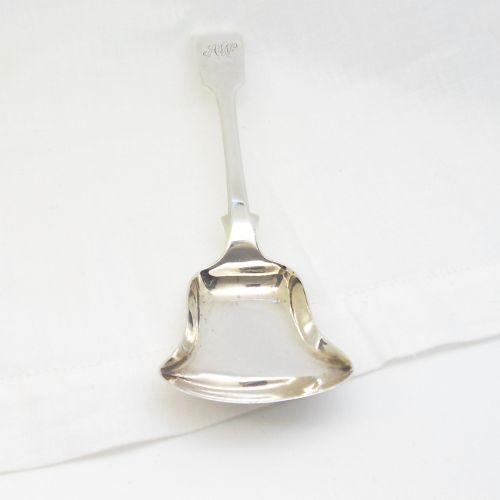
Tea services, bread baskets and coffee pots appear alongside fish slices and ladles. Each item carries regional hallmarks that identify its northern origin.
How they were made
Makers shaped sterling silver into heavy hollowware through raising and casting, applying piercework and engraving to surfaces. Tankards and coffee pots demonstrate robust construction suited to daily use.
Flatware items like serving forks and sugar tongs received hammer work and careful shaping at the bench. Assay marks were then struck directly into the metal to certify standard.
Antique Newcastle Silver Retail Price Guide 2026
Typical asking prices for newcastle silver among the pieces listed under this phrase on Sellingantiques today, from the lower quarter to the upper quarter. They describe what is for sale here now, not the wider market.
Listings include items made from sterling silver, glass, brass and mahogany.
What varies in quality
Quality depends upon the crispness of the town mark and maker's stamp alongside the retention of original gauge and weight. Heavy casting on tankards and salvers distinguishes superior pieces.
Engraved armorials and chased decoration maintain depth and clarity on higher grade examples. The preservation of original surface finishes dictates the desirability of flatware and hollowware.
Stalker and Mitchison·John Walton·Langlands and Robertson·Reid and Sons
The Antique Newcastle Silver Glossary
- Assay office
- The official body responsible for testing the purity of precious metals and stamping them with hallmarks. The Newcastle office used three castles as its town mark.
- Hollowware
- Vessels such as teapots, tankards, cream jugs and coffee pots that enclose a volume rather than flatware. These pieces showcase the primary output of northern silversmiths.
- Sterling silver
- An alloy of silver containing ninety-two point five percent silver by mass and seven point five percent other metals, usually copper. This standard applies to the vast majority of pieces found here.
- Provincial silver
- Items assayed outside of London, possessing distinct regional maker marks and town punches. Newcastle silver represents a prominent branch of this tradition.
- Peg tankard
- A drinking vessel featuring internal pegs placed at intervals to measure liquid consumption during drinking games. Surviving examples remain substantial provincial pieces.
Antique Newcastle Silver: Frequently Asked Questions
How do I identify Newcastle silver?
Look for the town mark showing three castles, which indicates the piece passed through the northern assay office.
Additional punches include the reigning monarch's head, the lion passant for sterling standard, and the maker's initials.
What periods do these pieces cover?
The selection spans from the eighteenth century through to the Victorian era. Georgian and early Victorian items form the bulk of surviving examples.
Specific dates on hollowware and flatware frequently range between seventeen-fifty and eighteen-seventy.
How were tankards used?
Large silver tankards served ale and other fermented drinks at communal tables or in private homes. Their heavy construction allowed them to withstand regular use.
Some variants included internal pegs to regulate drinking quantities during social gatherings.
Can I use these items daily?
Solid sterling silver flatware and certain hollowware pieces can handle careful daily service with proper hand washing. Antique items require soft cloths and mild polish to preserve hallmarks.
Heavily engraved or delicate pierced pieces benefit from gentle treatment and careful storage.