


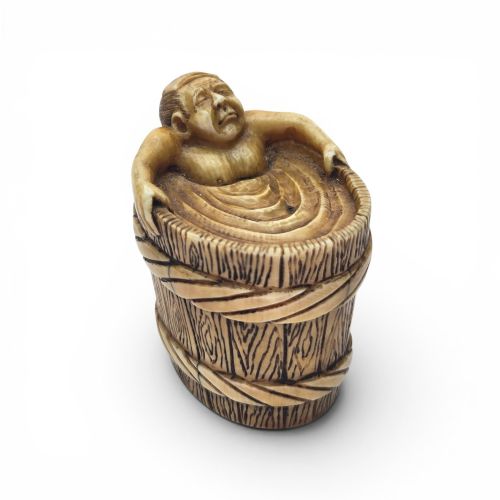


Antique Netsuke Sculpture
These antique netsuke sculpture pieces are small carved toggles that secure traditional Japanese kimono sashes, prized for their intricate detail and tactile forms.
Antique Netsuke Sculpture
An antique netsuke sculpture serves as both a functional garment fastener and a miniature work of art, originating from traditional Japanese attire where it secured pouches hung from the obi. On this page, pieces appear primarily from the nineteenth century and the Edo or Meiji periods, reflecting classic Japanese craftsmanship.
Forms span figurative subjects including animals, scholars, demons, and mythical figures, alongside practical items like pipe case holders. Carvings range from intimate depictions of frogs and cats to complex figural groupings associated with traditional schools.
Materials and carving techniques
Carvers shaped these miniature objects from natural materials such as boxwood, stag antler, cherry amber, and horn, frequently incorporating bronze and gold inlay for decorative accent. The organic grain of wood and antler dictated the grain and flow of each individual figure.
Makers utilised precise hand-carving techniques to bring out fine textures, such as fur on animals, facial expressions on human figures, and the smooth contours of a curled cat or toad.
Antique Netsuke Sculpture Retail Price Guide 2026
Typical asking prices for netsuke sculpture among the pieces listed under this phrase on Sellingantiques today, from the lower quarter to the upper quarter. They describe what is for sale here now, not the wider market.
Listings feature nineteen-century boxwood, stag antler, and wood materials spanning the Edo and Meiji periods.
Assessing quality in miniature carving
Quality rests in the precision of the carving and how well the sculptor utilises the natural contours of the material to create a tactile object. Master carvers defined forms with clarity and balance, ensuring the sculpture feels satisfying in the hand.
Signed works and pieces associated with known workshops demonstrate higher mastery of detail and anatomical accuracy, distinguishing them from standard decorative objects of the period.
Tomochika·Masayuki
The Antique Netsuke Sculpture Glossary
- Netsuke
- A small carved toggle used in traditional Japanese dress to suspend small containers from a sash. It prevents the cord from slipping.
- Okimono
- A Japanese decorative figurine intended for display rather than practical fastening. These pieces share similar subject matter and carving techniques with netsuke.
- Sashi netsuke
- A long, slender type of netsuke designed to be tucked directly behind the obi sash rather than toggled across it. Pipe case holders often utilise this form.
- Obi
- The traditional wide sash worn around the waist with a Japanese kimono. Netsuke were slipped beneath this band.
- Meiji Period
- A historical Japanese era spanning from eighteen sixty-eight to nineteen twelve, noted for the opening of trade and distinct artistic output.
Antique Netsuke Sculpture: Frequently Asked Questions
What is an antique netsuke sculpture used for?
These miniature carvings traditionally functioned as toggles attached to the cords of small personal containers, such as medicine boxes or pouches, suspended from a kimono sash.
Over time, collectors came to appreciate them as independent sculptures rather than functional accessories, displaying them in cabinets to highlight their intricate carving.
How can I tell the difference between Edo and Meiji period pieces?
Edo period carvings often reflect traditional conservative styles and utilitarian wear, associated with earlier nineteenth-century production.
Meiji period pieces frequently display greater elaboration, mixed metals, and refined detail resulting from changing artistic influences after the opening of Japan.
Why are some pieces signed?
Master carvers and school heads signed their works with signature characters to denote authorship and quality.
Signatures help attribute pieces to specific makers or workshops, though unsigned carvings from the same era can demonstrate equal craftsmanship.
How should I care for boxwood and antler carvings?
These natural materials respond best to stable indoor environments away from direct sunlight and extreme humidity changes, which can cause wood to split.
Gentle dusting with a soft, dry brush keeps the surface clean without damaging the fine patina built up over generations.