



Antique Needlework Cushion
An antique needlework cushion brings centuries of tactile skill into a room, offering rich textures from the seventeenth to the twentieth century.
Antique Needlework Cushion
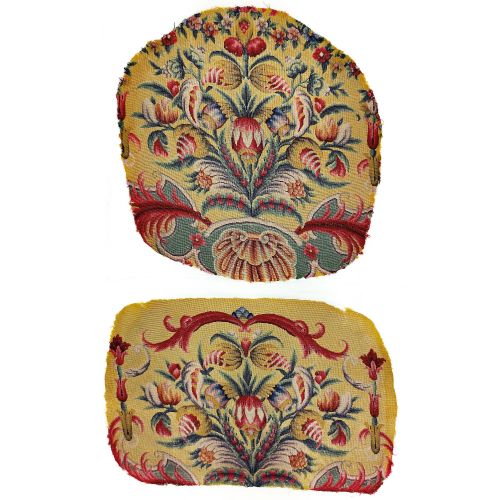
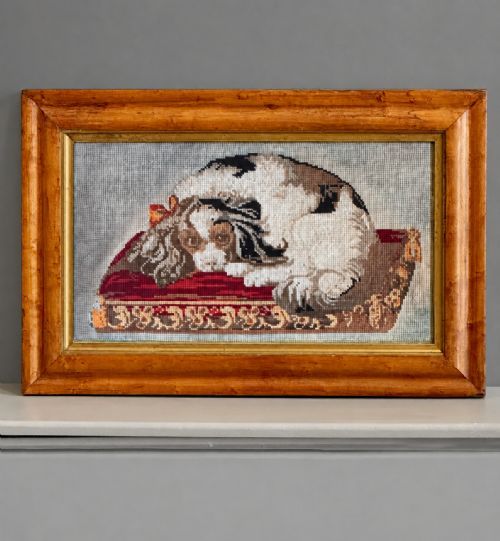
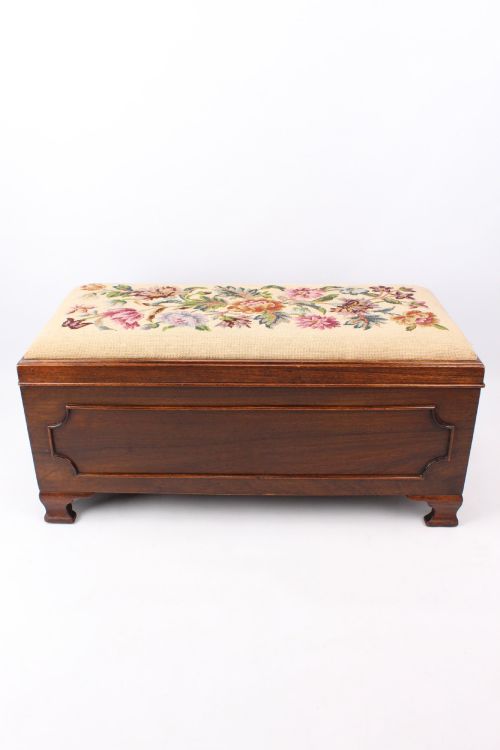
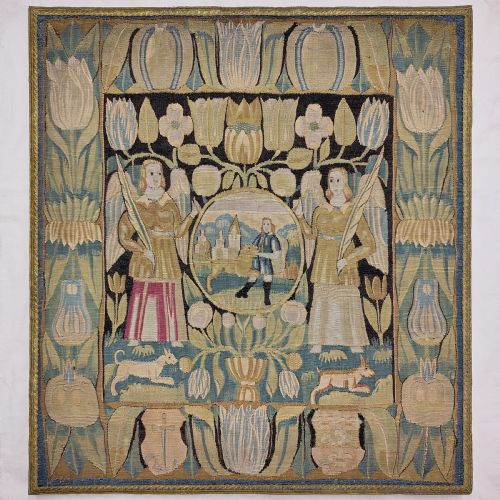
When you search for an antique needlework cushion, you encounter a diverse selection ranging from seventeenth-century tapestry cushion covers and North German tapestry cushions to nineteenth-century Berlin work depicting King Charles spaniels and twentieth-century mahogany ottomans with needlework seats.
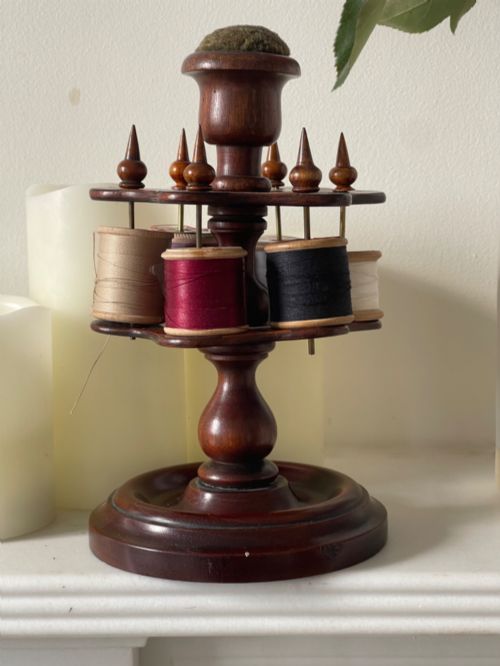
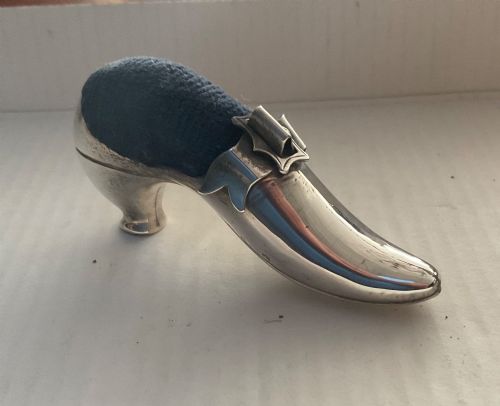
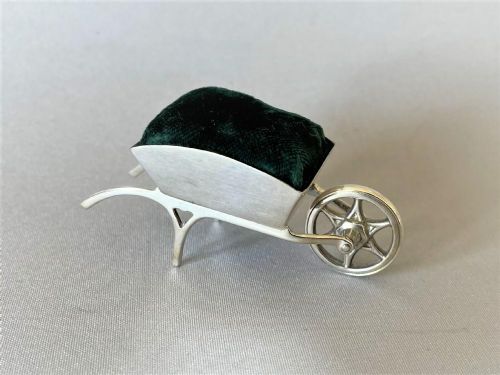
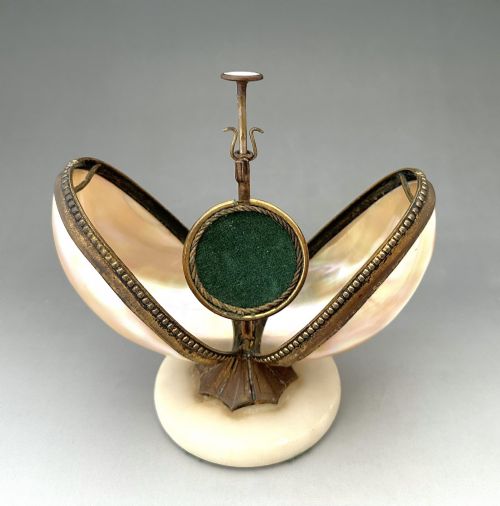
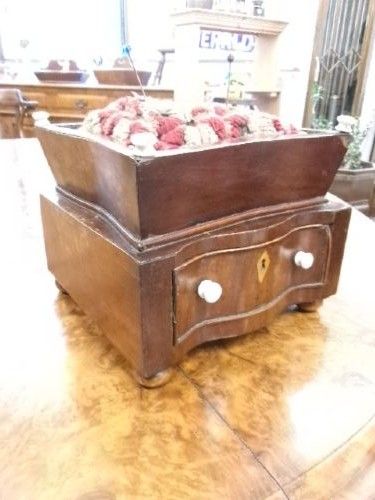
The assortment also includes various related sewing accessories and pin cushions made from materials such as silver, mother-of-pearl, and wood, reflecting domestic crafts across the 17th Century, Regency, Victorian, Edwardian, and 1920 periods.
Buyers are most likely to meet textile pieces featuring wool, silk, and linen work alongside framed textile art and Scandinavian pillow embroidery dated to the mid-nineteenth century.
How they were made
Craftsmen and makers utilised natural textile materials including wool, silk, linen, and velvet, often mounting or framing the resulting embroideries and tapestries in woods such as mahogany, burr maple, or housing smaller items in silver and mother-of-pearl.
Needlework techniques span detailed tapestry weaving, Berlin work, pillow embroidery, and elaborate metalwork construction for novelty pin cushions shaped as shoes, wheelbarrows, baskets, goldfish, and sledges.
Antique Needlework Cushion Retail Price Guide 2026
Typical asking prices for needlework cushion among the pieces listed under this phrase on Sellingantiques today, from the lower quarter to the upper quarter. They describe what is for sale here now, not the wider market.
Silver fish, wheelbarrows, and sledges keep your pins safe, proving that Victorian desk accessories possessed a surprisingly playful sense of humour.
What varies in quality
The distinction between tiers rests upon the intricacy of the stitchwork, the preservation of fibres like wool and silk, and the structural integrity of supporting wooden frames or silver mounts.
Early seventeenth-century tapestry panels and finely detailed Berlin work demonstrate superior artistic execution compared to standard domestic iterations, while matched pairs or original burr maple frames elevate the standing of a textile piece.
Adie & Lovekin
The Antique Needlework Cushion Glossary
- Berlin work
- A style of counted-thread embroidery popular in the nineteenth century, typically worked in brightly coloured wool on a canvas grid. It frequently depicted animals, flowers, or figurative scenes.
- Tapestry cushion cover
- A heavy woven textile panel, often originating in the seventeenth century, utilised to cover decorative cushions. These pieces display pictorial or repeating botanical motifs.
- Pin cushion
- A small household accessory designed to hold pins safely during sewing. Antique examples range from wooden square designs to intricate silver novelty shapes and mother-of-pearl etuis.
- Pillow embroidery
- A traditional form of folk needlework applied to domestic textiles, often associated with Scandinavian regional designs and specific dated markers.
Antique Needlework Cushion: Frequently Asked Questions
What is an antique needlework cushion?
An antique needlework cushion incorporates historical textile art, such as seventeenth-century tapestry panels or nineteenth-century Berlin work, fashioned into soft furnishings or seat covers.
These pieces combine historical fabric artistry with functional domestic objects, preserving centuries of decorative stitching and weaving traditions.
How were antique pin cushions used?
Antique pin cushions served both practical and decorative purposes on dressing tables and in sewing rooms, holding pins close at hand during tailoring and garment maintenance.
Many examples take elaborate novelty forms in silver or mother-of-pearl, reflecting the elevated status of sewing accessories in past centuries.
How do I care for antique textiles?
Living with antique needlework cushions requires protecting delicate fibres like wool, silk, and linen from direct sunlight and excessive handling to prevent degradation.
Gentle placement away from moisture and heat sources ensures the historic tapestries and embroidered surfaces remain stable over time.
How can I date a tapestry cushion?
Dating a tapestry cushion involves examining the weave structure, the type of wool or silk fibres utilised, and stylistic indicators typical of periods like the seventeenth century or the Victorian era.
Accompanying frames, such as original burr maple or mahogany woodwork, also provide contextual clues regarding the period of assembly.