




Antique Necklet
An antique necklet brings together period craftsmanship and precious stones, offering a wearable piece of history designed to sit close to the collarbone.
Antique Necklet
An antique necklet encompasses a variety of historical necklace styles, chains, and pendants designed to adorn the neck. When searching for an antique necklet, buyers encounter diverse forms ranging from simple gold chains to elaborate gemstone pendants.
The selections available span multiple decades and aesthetic movements, including Victorian, Edwardian, and Art Deco designs. Pendant necklaces and lockets feature prominently among these offerings.
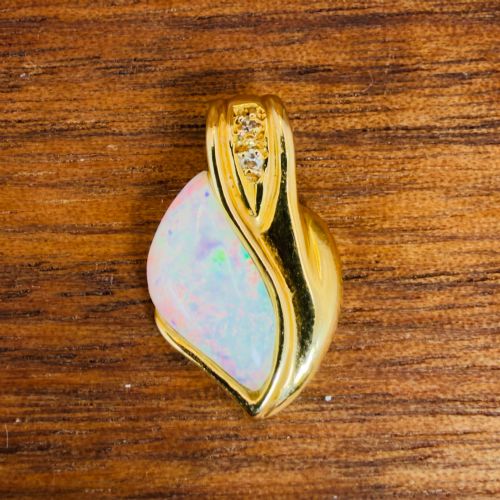
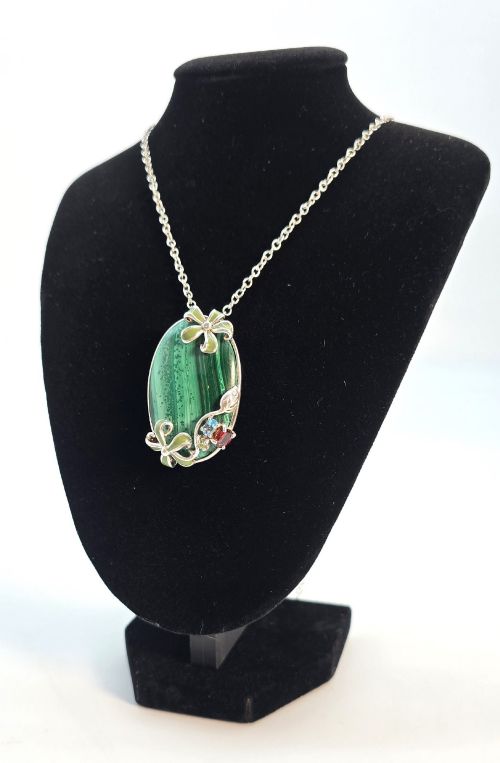
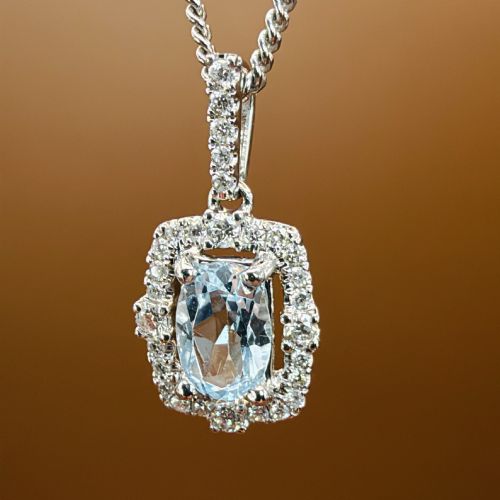
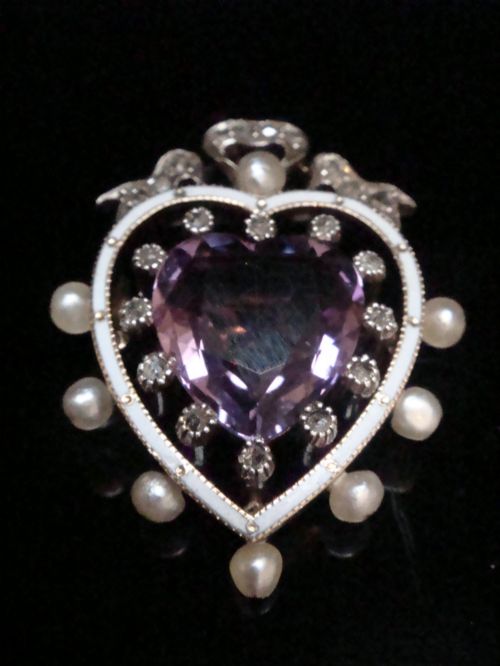
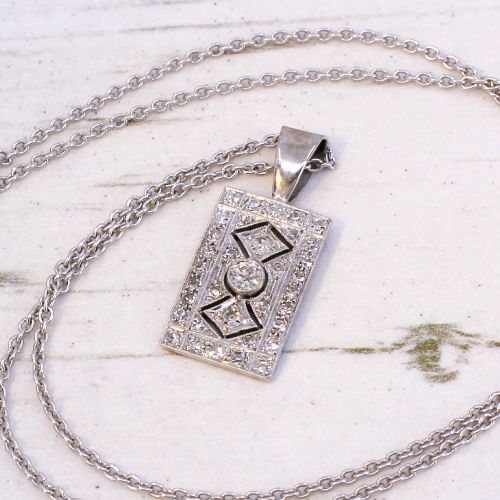
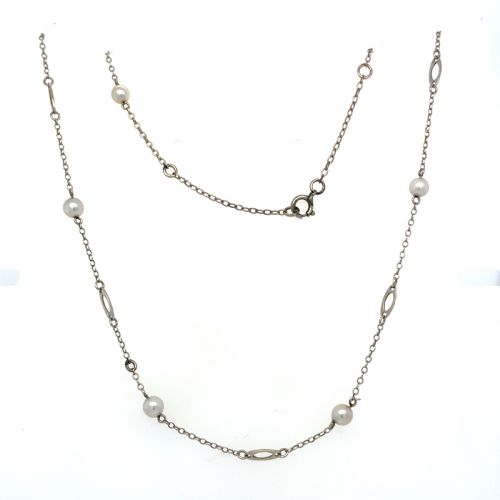
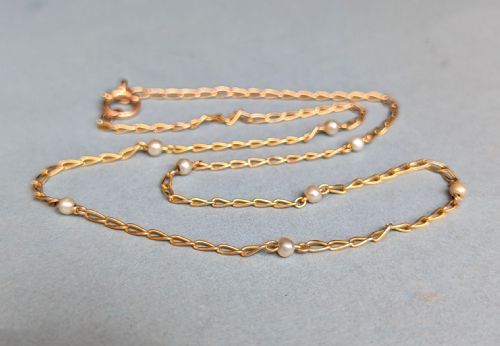
Pieces often incorporate delicate seed pearls, diamonds, and coloured stones set in yellow gold, white gold, platinum, or silver. Each item reflects the distinctive ornamental taste of its period of origin.
Materials and manufacture
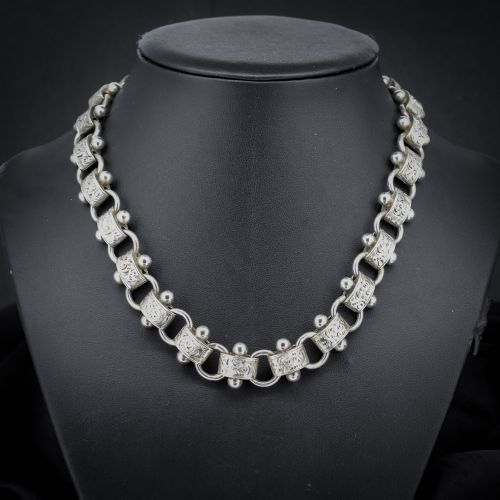
Goldsmiths and jewellers utilised precious metals such as 9ct gold, 18ct gold, platinum, and sterling silver as the foundational structure for these necklets. Metalwork techniques involved casting, wire-drawing, and delicate engraving to create intricate chain links and pendant frames.
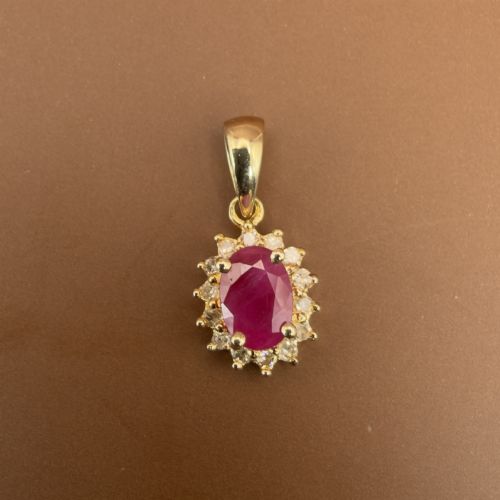
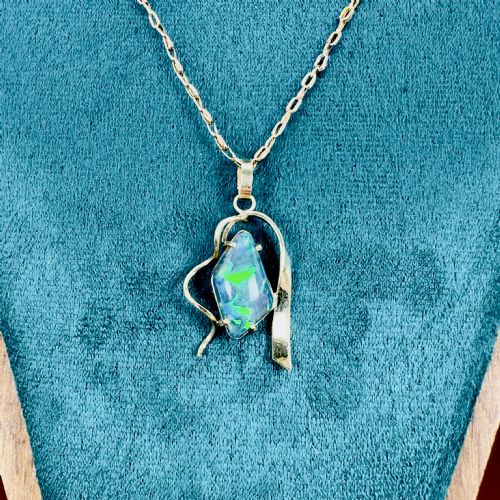
Gemstones including diamonds, rubies, sapphires, opals, and pearls were hand-set using claw, bezel, or flush settings appropriate to the period style. Enamelling techniques, such as guilloché, added colourful decorative surfaces to gold and silver bases.
Antique Necklet Retail Price Guide 2026
Typical asking prices for necklet among the pieces listed under this phrase on Sellingantiques today, from the lower quarter to the upper quarter. They describe what is for sale here now, not the wider market.
Judging quality in necklets
Quality in these pieces depends upon the precision of the metalwork, the security of stone settings, and the integrity of original components like clasps and chains. Master jewellers demonstrated superior skill through symmetrical stone placement and refined detailing on the reverse of pendants.
The choice of materials also dictates standard, with higher grades featuring well-matched natural pearls, clean gemstones, and substantial precious metal weight. Intricate hand-engraving and well-preserved enamel distinguish finer examples from standard commercial production.
WH Haseler for Liberty and Co·Meyle and Mayer
The Antique Necklet Glossary
- Locket
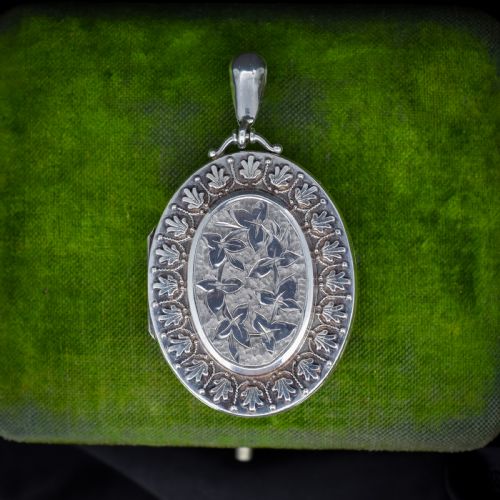
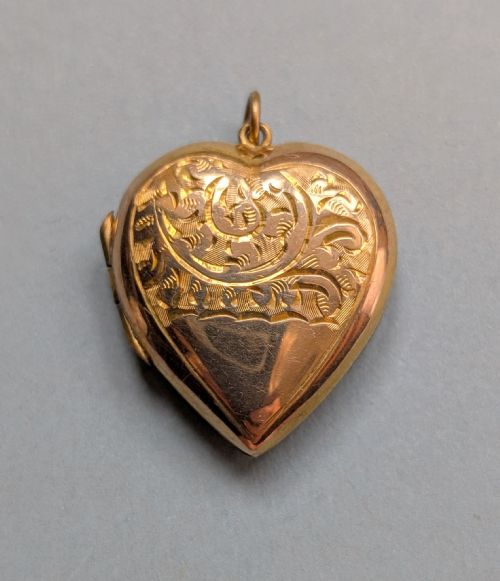
- A small hinged pendant designed to open and enclose a tiny photograph or lock of hair. These often feature engraved front panels.
- Guilloché
- A decorative technique where a precise, intricate pattern is mechanically engraved into a metal surface beneath translucent enamel. This creates a shimmering effect under light.
- Seed pearl
- A very small, naturally occurring pearl, often drilled and used in clusters or strung in rows. They were particularly popular in Edwardian and Victorian jewellery.
- Lavalier
- A pendant necklace featuring a central gemstone from which smaller stones or drops dangle loosely. This style gained prominence during the early twentieth century.
- Dog clip
- A spring-loaded metal clasp shaped like a small hook, commonly found on antique watch chains and necklace fastenings. It allows secure attachment to a bolt ring.
Antique Necklet: Frequently Asked Questions
How do I date an antique necklet?
Dating relies on identifying stylistic markers, manufacturing techniques, and hallmarks stamped onto the metal. Victorian, Edwardian, and Art Deco periods each exhibit distinct design motifs and gemstone cuts.
Examining the clasp type and construction methods provides further clues to the era of manufacture. Comparing these elements with documented examples helps narrow down the decade.
Can I wear an antique necklet every day?
Many antique necklets are robust enough for regular wear if handled with appropriate care. Fragile elements like seed pearls and delicate chains require gentle treatment to avoid damage.
Removing the jewellery before sleeping, swimming, or engaging in physical activity preserves its condition. Storing each piece separately prevents scratching from other items.
What is the difference between a necklace and a necklet?
The term necklet historically refers to a shorter necklace or a decorative chain designed to sit close to the neck. It often incorporates a fixed pendant or decorative clasp.
Necklaces encompass a broader category that includes longer chains, bead strands, and flexible collars. Antique terminology frequently uses necklet to describe refined Edwardian or Victorian collar-length pieces.
How should I clean my antique necklet?
Cleaning depends entirely on the materials present in the piece, as gemstones like opals and pearls are sensitive to moisture and chemicals. A soft, dry microfiber cloth is generally safest for removing surface dust.
Harsh commercial dips and ultrasonic cleaners should be avoided, particularly for items containing enamel or glued pearls. Professional jewellers should handle deep cleaning for fragile historic pieces.