




Antique Nautical Landscape
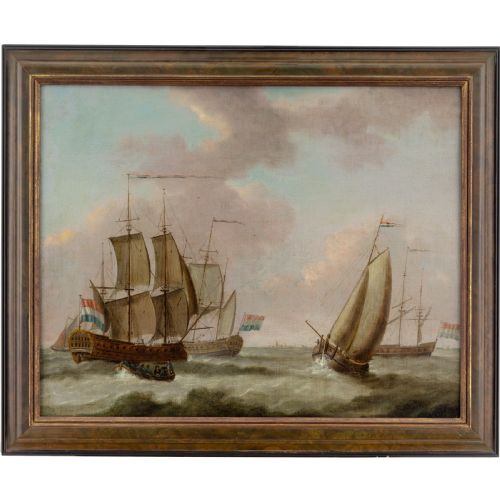
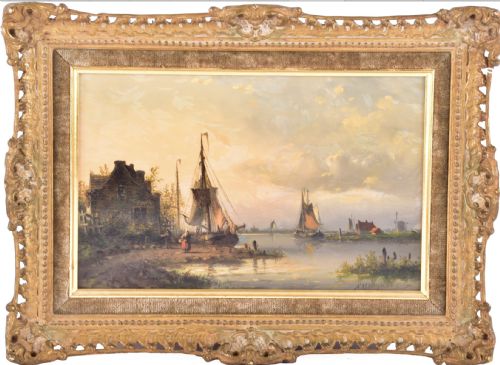
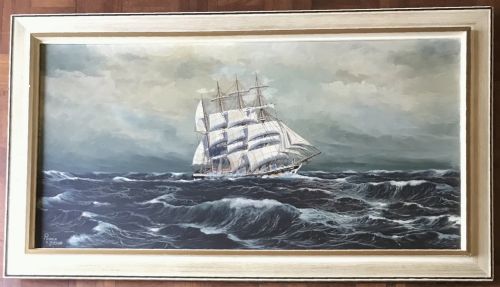
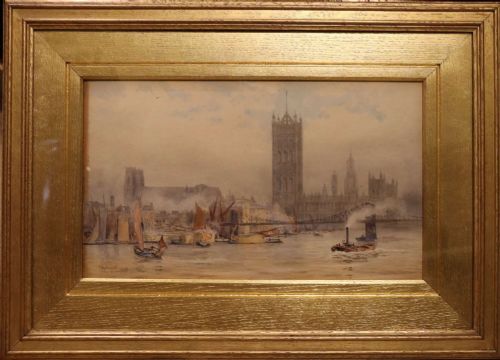
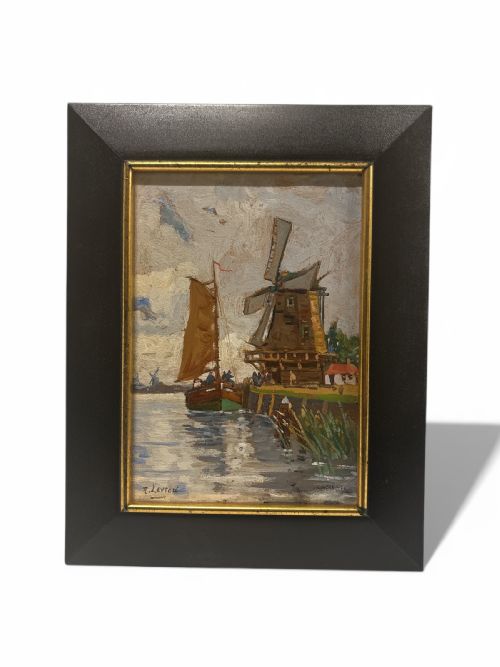
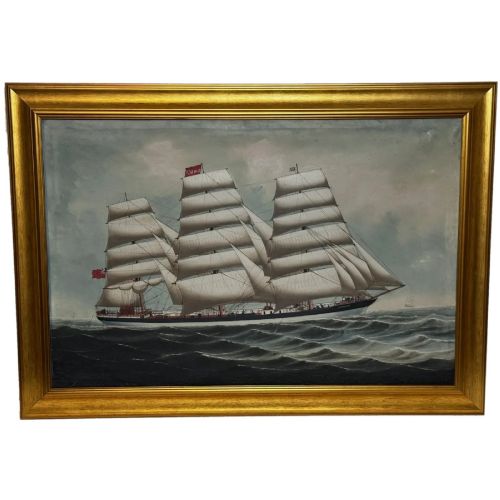
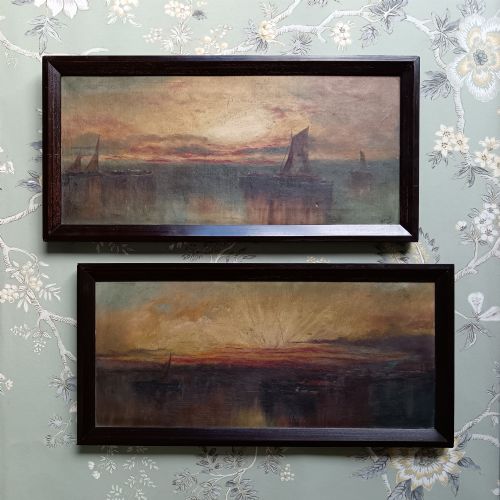
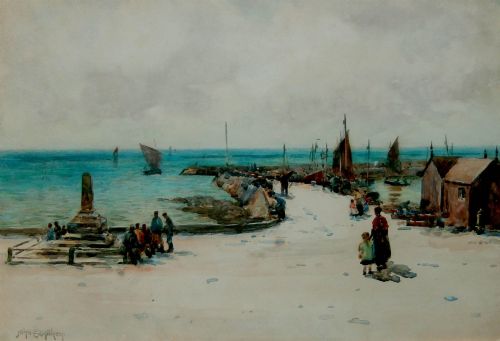
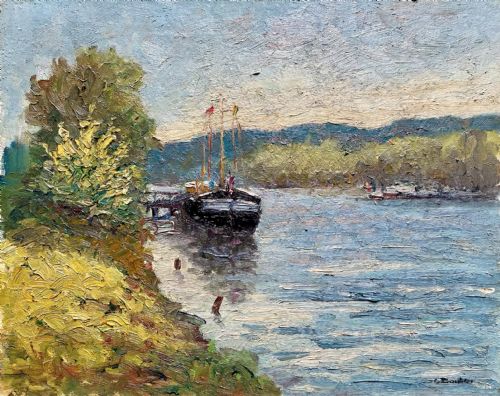
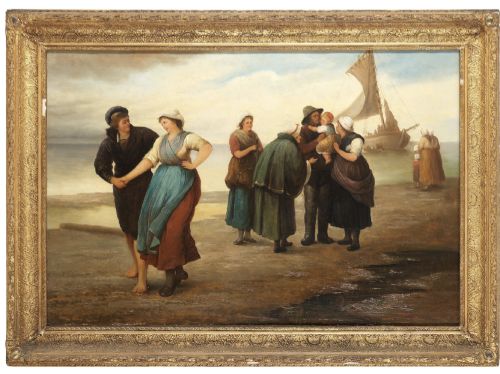
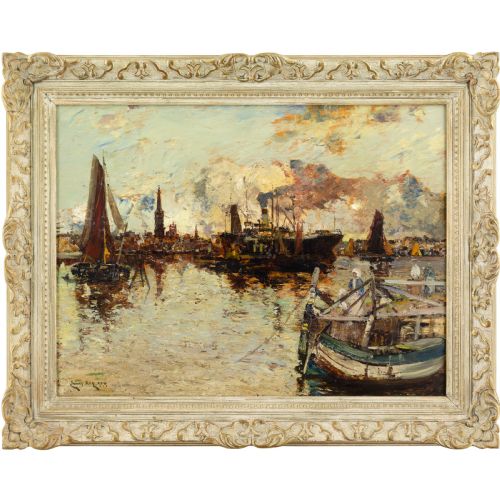
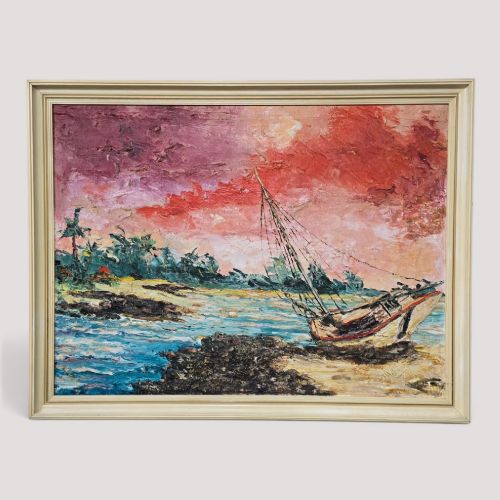
These antique nautical landscape paintings capture the enduring power of the open sea, bustling harbours and quiet coastal shores.
Antique Nautical Landscape
When you search for an antique nautical landscape, you encounter framed watercolours and oil paintings documenting coastal scenes, shipping vessels and harbour views. The most common pieces originate from the nineteenth and early twentieth centuries, spanning Victorian and Edwardian periods.
Works on this page range from detailed watercolours on paper to substantial oil paintings on canvas or board. Subject matter varies from peaceful river estuaries and fishing boats to dramatic depictions of sailing ships navigating choppy seas.
Materials and construction methods
Artists painted these scenes utilising oil paint on canvas and board, or watercolour applied to paper, supported by wood frames often finished in gilt. The physical components reflect traditional nineteenth- and twentieth-century studio practices for fine art.
Canvases stretch over wooden frames while watercolours sit beneath protective glass, frequently accompanied by original or period-appropriate gilt wood framing.
Frames include gilt wood constructions holding nineteenth-century marine scenes by British, Dutch, and French artists.
Distinctions in quality and execution
Quality rests upon the artist's handling of light, atmospheric perspective and the convincing depiction of water and marine architecture. Skilled brushwork or watercolour control brings movement to waves and realism to rigging.
Condition of the canvas or paper, stability of the paint layer, and the integrity of the original gilt wood frame influence the overall standing of each piece.
James Orrock·Reginald Arthur Borstel·John E. Aitken·James Kay·Bonaventura Peeters·Willem Bos·John Wilson Carmichael·John Moore of Ipswich·George Stanfield Walters·Henry Barlow Carter·William Frederick Settle·William Lee Hankey·Gustave De Bréanski·Pieter Cornelis Dommersen·Thomas Bush Hardy·Edward Henry Eugene Fletcher·Abraham Hulk Snr
The Antique Nautical Landscape Glossary
- Watercolour
- A painting method where fine pigment is suspended in a water-based, transparent solution applied to paper. It creates luminous washes often seen in coastal views.
- Oil on Canvas
- A traditional medium consisting of pigments bound in an oil medium applied to woven fabric stretched across a wooden frame. It allows for rich texture and deep colouration.
- Gilt Wood
- Wood treated with a thin layer of gold leaf or metallic gilt, commonly utilised for decorative picture frames during the Victorian period.
- Impressionism
- A nineteenth-century painting style characterised by relatively small, thin yet visible brush strokes and an emphasis on accurate depiction of light.
Antique Nautical Landscape: Frequently Asked Questions
What periods do these paintings date from?
The pieces span from the seventeenth century through the Victorian and Edwardian eras up to the mid-twentieth century. Most examples originate in the nineteenth and early twentieth centuries.
Dates appear in signatures, dealer records, and stylistic attributes typical of periods like British Impressionism and Victorian marine art.
How were these maritime scenes displayed?
Paintings historically hung in domestic parlours, maritime offices, and galleries, housed within protective wooden frames. Many retain their period gilt wood surrounds.
Proper display involves avoiding direct sunlight to protect watercolours on paper and oil paint on canvas from fading.
Are watercolours and oil paintings framed differently?
Waterworks on paper require glass protection and matting to prevent direct contact with the surface. Oil paintings on canvas or board remain open to the air within robust wooden frames.
Both methods reflect the standard conservation practices of their respective periods.
How do I identify a coastal scene's origin?
Signatures, inscriptions, and artist records often indicate the specific coastal location, such as Dutch ports, British harbours, or Mediterranean shipping lanes. Subject matter like specific vessel types also offers clues.
Historical clothing on figures and the style of marine architecture help narrow down the decade and region.