


Antique Nature Wall Painting
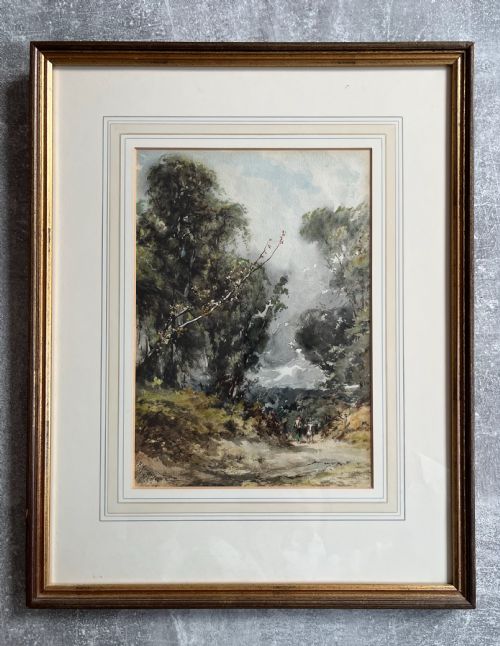
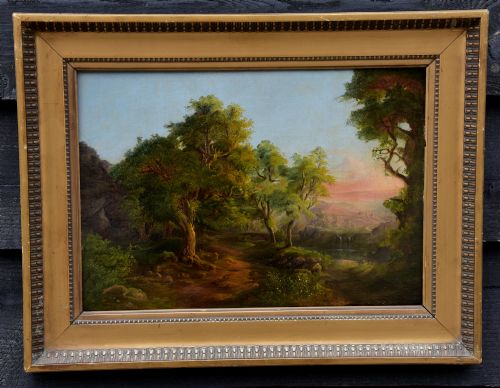
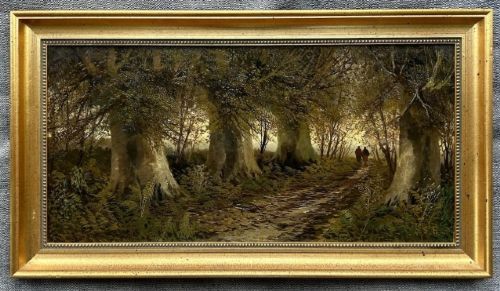
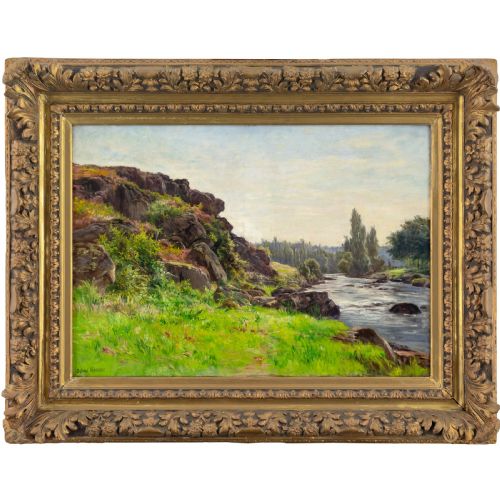
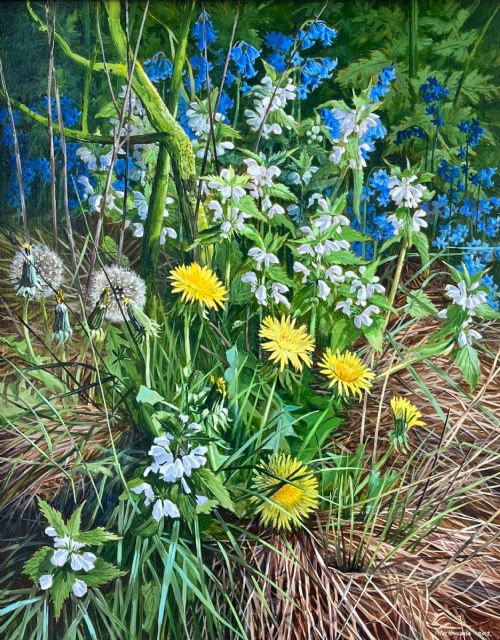
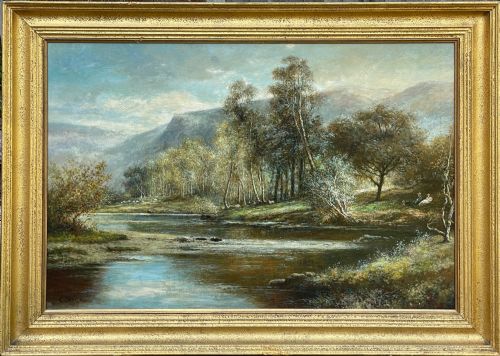
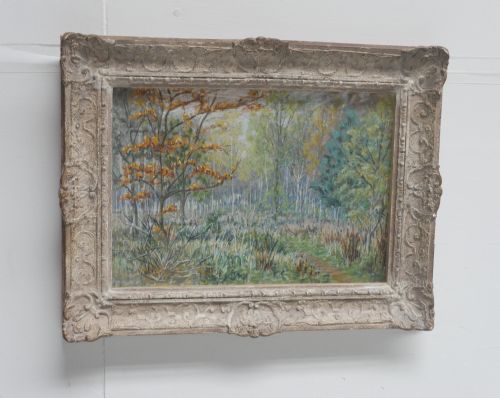
These antique nature wall painting works capture pastoral scenes and woodland views, offering a tangible connection to nineteenth and early twentieth century landscapes.
Antique Nature Wall Painting
An antique nature wall painting typically captures outdoor scenery such as rivers, forests, and countryside vistas. These pieces serve as windows into earlier natural environments, recorded through the eyes of period artists.
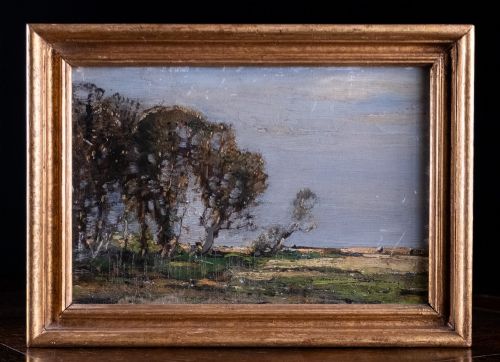
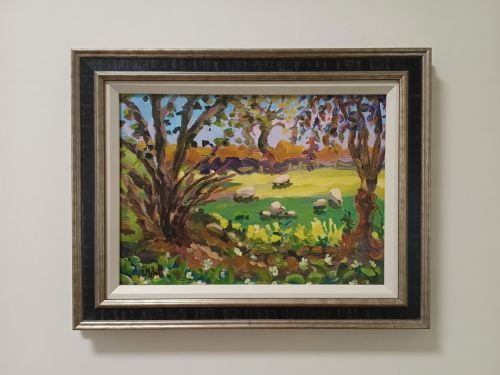
The selection on this page relies heavily on nineteenth century and early twentieth century works. Buyers will encounter Victorian landscapes, Edwardian watercolours, and Impressionist interpretations of rural life.
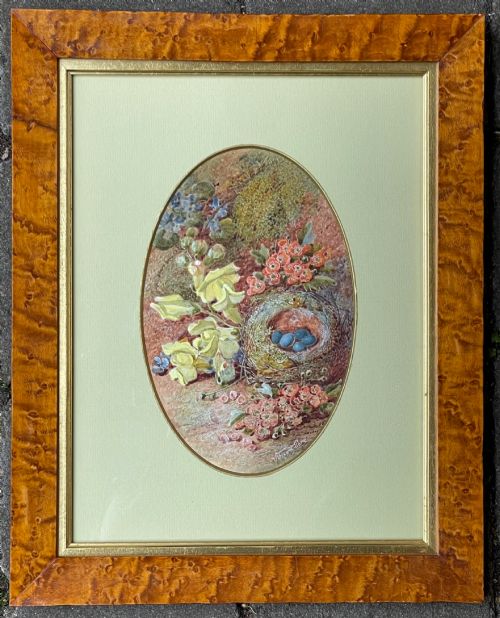
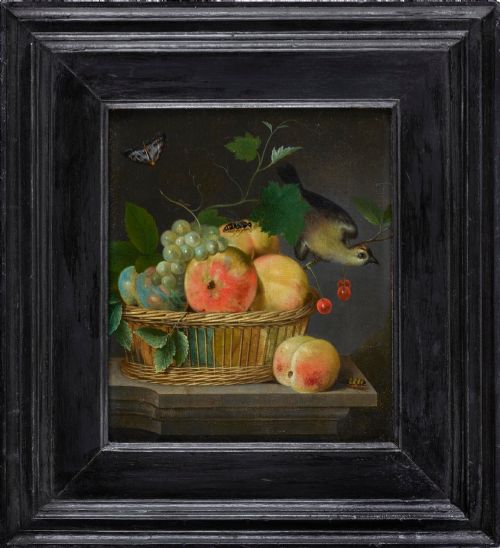
Common formats include framed oils on canvas, board, and delicate watercolours or gouache. Subjects range from quiet woodland paths and riverbanks to detailed still lifes of fruit and birds' nests.
How They Were Made
Artists painted primarily with oil on canvas or wood board, building up rich textures and deep tones. Watercolours and gouache on paper offer a lighter, more transparent finish for delicate botanical and landscape scenes.
Supports often include heavy woven canvas stretched over wooden frames or sturdy boards prepared with gesso. Gold leaf sometimes appears on framing elements, complementing the earthy pigments used in the compositions.
Listings span multiple decades from the nineteenth century through the mid twentieth century, utilising canvas, paper, wood, and glass.
What Varies in Quality
The nuance of brushwork and the handling of natural light distinguish a master composition from a standard studio copy. Skilled artists capture atmospheric depth and the subtle play of shade across foliage with confident precision.
Preservation of the original surface pigments and the integrity of the support material dictate the visual strength of the piece. Intact framing and minimal restoration maintain the historical character of the artwork.
George Fotherly Hargitt·Kershaw Schofield·Thomas W Lascelles·Gabriel Mathieu·Vincent Clare·Gaspar Peeter Verbruggen·John Wright Oakes·William Langley·William Mellor·Rowland Henry Hill·William Stephen Coleman·Charles Branwhite·John Sherrin·Adolphe Gumery·James Poole·Alfred Parsons·Emile Lecomte
The Antique Nature Wall Painting Glossary
- Gouache
- An opaque water-based paint that dries to a matte finish, allowing for vibrant colour blocks and fine detail.
- Watercolour
- A paint method where pigments are suspended in a water-soluble vehicle, typically applied to paper for translucent effects.
- Impressionism
- A nineteenth century painting style focused on capturing the visual impression of the moment, shifting light, and unblended brushstrokes.
- Still Life
- An artwork depicting mostly inanimate subject matter, such as fruit, flowers, or domestic objects arranged in a composition.
- Provenance
- The chronological documentation showing the origin and ownership history of a work of art.
Antique Nature Wall Painting: Frequently Asked Questions
What subjects appear in these paintings?
The artworks predominantly feature natural subjects including wooded river landscapes, Highland scenes, and country lanes. Still life studies of fruit, flowers, and birds' nests also recur.
Artists drew inspiration from the British countryside and continental views, recording specific locations across Wales, Scotland, and England during the Victorian and Edwardian eras.
How should I hang and light these pieces?
Hang these framed works away from direct sunlight to protect fragile watercolours and oil pigments from fading. Stable indoor humidity prevents warping in the wood panels and canvas supports.
Use gentle, dedicated picture lights to illuminate the surface without generating excessive heat that could damage nineteenth century varnishes.
How do I identify the period of a painting?
Dating relies on stylistic clues, framing methods, and signatures tied to known artist active dates. Victorian pieces often lean towards romanticism or detailed naturalism.
Later works from the early twentieth century introduce Impressionist brushwork and lighter palettes. Canvas stamps and inscriptions on the reverse provide further chronological markers.
What is the difference between oil and watercolour?
Oils use slow-drying pigments bound in oil, allowing artists to layer thick impasto or blend smooth gradients on canvas and board. Watercolours use water-soluble binders on paper for luminous transparency.
Oils generally require protective framing with glass depending on the age, whereas watercolours strictly need glazing to prevent moisture and dust damage.