






Antique Mythological Figurine
An antique mythological figurine captures classical narratives in bronze, marble, and porcelain, offering collectors timeless sculptural mastery from past centuries.
Antique Mythological Figurine
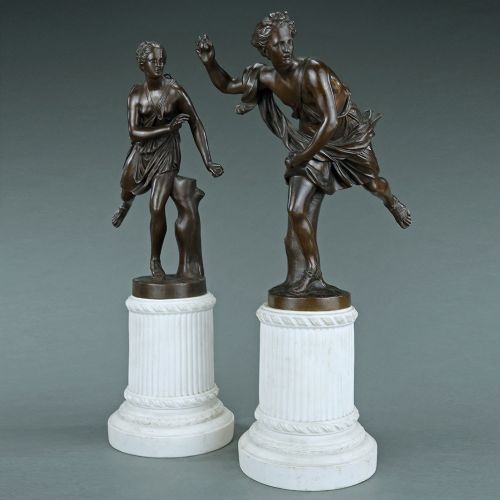
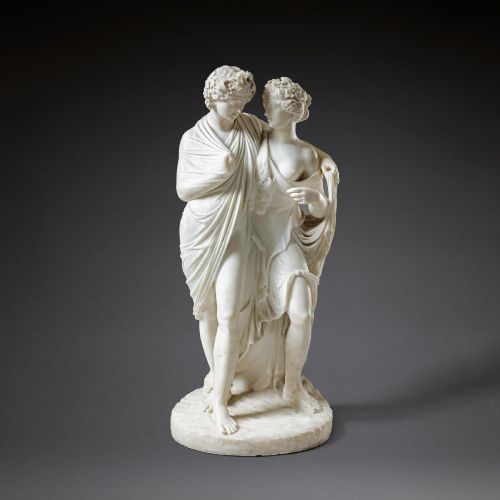
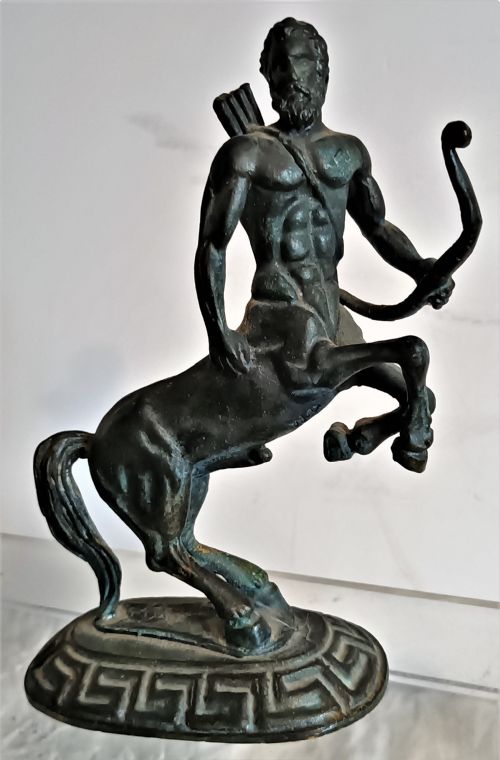
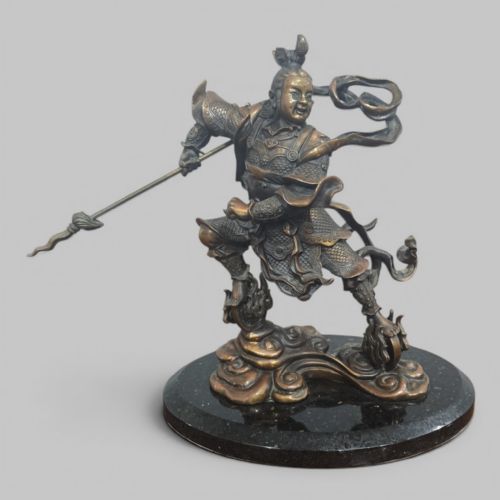
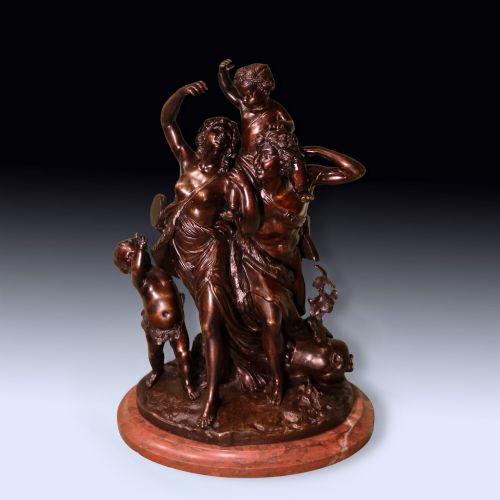
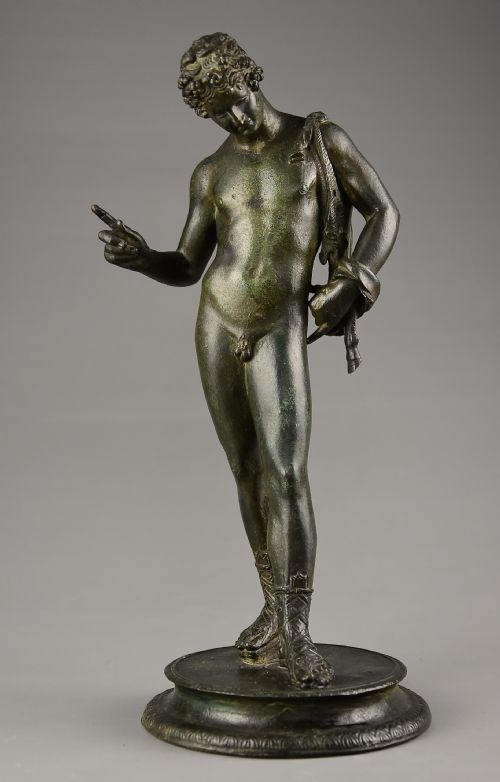
When seeking an antique mythological figurine, you encounter sculptural depictions of classical deities, heroes, and mythological scenes drawn from ancient literature. These pieces range from grand Italian Grand Tour souvenirs to English porcelain figures produced by historic factories like Derby and Chelsea.
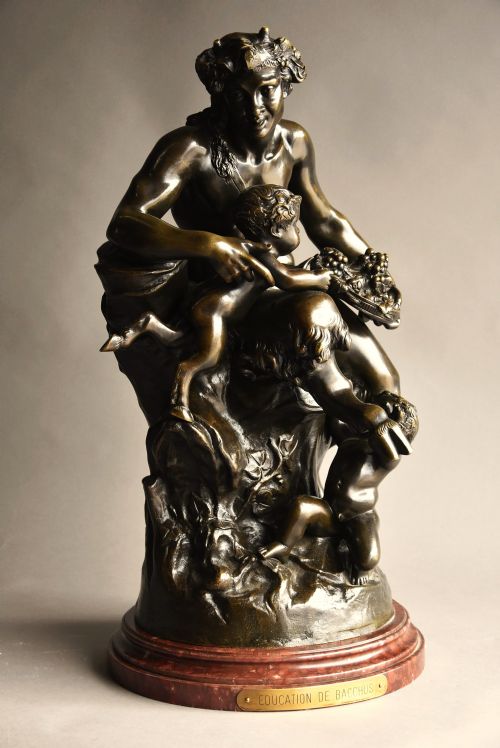
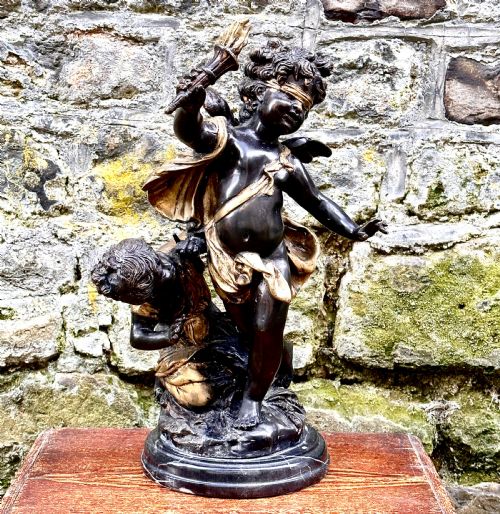
The selections on this page span the eighteenth, nineteenth, and early twentieth centuries, reflecting changing tastes across Neoclassical, Rococo Revival, and Art Deco styles. Figures of Bacchus, Diana, Neptune, and various fauns and satyrs dominate the physical forms available.
Materials and production methods
Metal sculptures utilise bronze casting, often finished with patination or gilt, frequently mounted upon white marble bases. Makers applied distinct techniques ranging from lost-wax casting for detailed figures to hand-carving in hardwoods and marbles.
Ceramic pieces involve moulded porcelain and terracotta, decorated with enamel and gold leaf accents. These porcelain figurines rely on skilled painting and glazing traditions developed by European ceramic manufactories.
Antique Mythological Figurine Retail Price Guide 2026
Typical asking prices for mythological figurine among the pieces listed under this phrase on Sellingantiques today, from the lower quarter to the upper quarter. They describe what is for sale here now, not the wider market.
Distinguishing quality in sculpture
Quality rests in the crispness of the chasing on bronze surfaces, the depth of carving in marble and wood, and the subtlety of facial expressions and anatomical detail. Superior metal casts preserve the fine nuance of the original model without blurring or excessive filing.
Porcelain and terracotta works depend on the precision of the moulding and the delicacy of the hand-painted polychrome and enamel details. Pieces produced by renowned modellers and established factories display greater fidelity to classical prototypes and superior compositional balance.
Barbedienne·Carlo Albacini·Antonio Canova·Royal Crown Derby·Pierre Le Faguays
The Antique Mythological Figurine Glossary
- Grand Tour
- A nineteenth-century tradition where wealthy travellers collected bronze reductions of classical antiquities in Italy as souvenirs.
- Patinated bronze
- Metal sculpture treated with chemicals to produce a distinct surface colour, such as dark green or brown.
- Lost-wax casting
- A metalworking method where a molten metal is poured into a mould that has been created by means of a wax model.
- Gold leaf
- Very thin sheets of gold applied to surfaces to provide decorative highlights on metal or ceramic objects.
- Neoclassical
- A style reviving the design elements and classical motifs of ancient Greece and Rome during the eighteenth and nineteenth centuries.
Antique Mythological Figurine: Frequently Asked Questions
What materials are these figurines made from?
The pieces utilise bronze, marble, porcelain, terracotta, and hardwood.
Many metal sculptures also incorporate stone bases and gilt bronze components.
How do I identify Grand Tour bronzes?
Grand Tour bronzes typically reproduce famous ancient statues encountered by travellers in Italian museums.
They often feature dark patination and date from the nineteenth century.
Which porcelain factories produced these figures?
English factories such as Derby, Chelsea, and Royal Worcester created porcelain mythological subjects.
continental producers like Samson Paris also contributed significantly to this tradition.
How should I care for bronze sculptures?
Dust bronze figures gently with a soft, dry cloth to prevent accumulation.
Avoid using chemical cleaners or polishes that might damage the historical patina.