

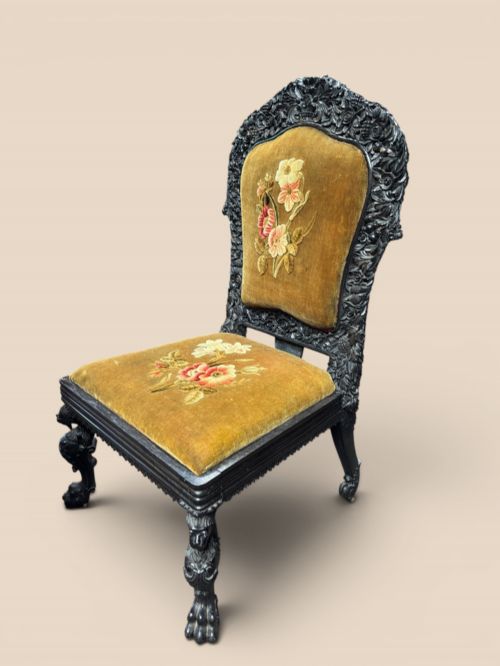


Antique Mustard Chair
An antique mustard chair brings warmth and strong colour to a room, offering comfortable seating shaped by Victorian and Edwardian craftsmanship.
Antique Mustard Chair
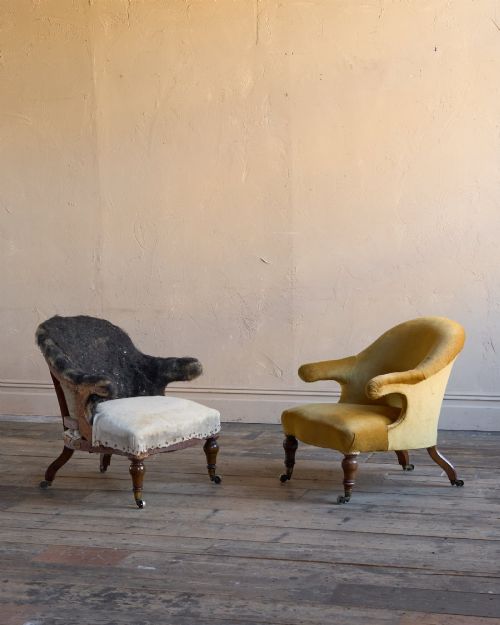
An antique mustard chair encompasses various seating forms upholstered or painted in striking yellow and gold tones, including armchairs, occasional chairs, and club chairs. These pieces span the nineteenth century, the Victorian era, and the Edwardian period, reflecting diverse historical revival styles.
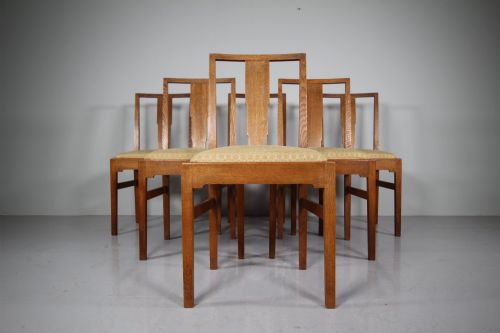
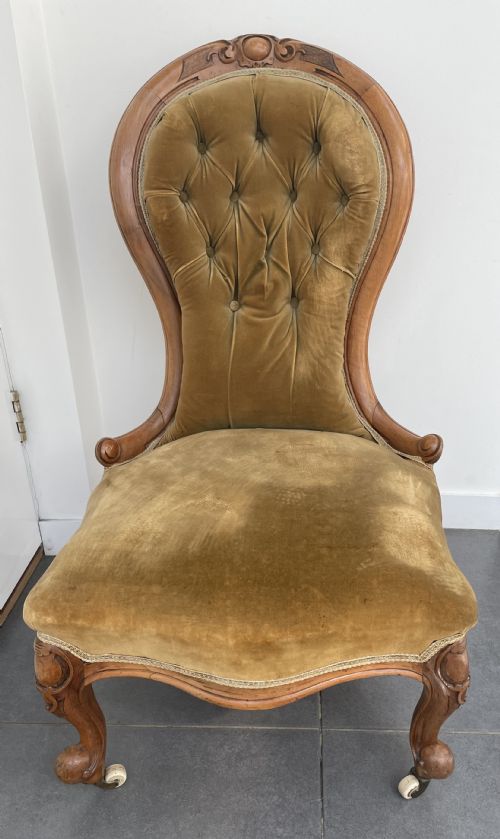
Buyers will most frequently encounter nineteenth-century open armchairs, walnut occasional chairs, and upholstered velvet armchairs on this page. The selection ranges from carved hardwood frames to painted country pine benches and button-back designs.
Origin and regional craftsmanship vary significantly, with English traditional pieces appearing alongside Anglo-Indian carved armchairs and Italian bobbin-turned styles. Each chair provides a functional seat carrying distinct historical details from its respective period of manufacture.
How they were made
Cabinet makers utilised dense timbers such as walnut, mahogany, oak, rosewood, and ebony to construct robust chair frames. These woods were often carved by hand, particularly on Victorian gentleman's chairs and Anglo-Indian hardwood hall seats.
Upholstery techniques involved traditional stuffing methods paired with surface textiles like velvet, linen, leather, and gold fabrics. Button-backed upholstery and turned wooden components required specialised joinery and hand-finishing by period artisans.
Antique Mustard Chair Retail Price Guide 2026
Typical asking prices for mustard chair among the pieces listed under this phrase on Sellingantiques today, from the lower quarter to the upper quarter. They describe what is for sale here now, not the wider market.
Listings feature nineteenth-century and Edwardian seating built from walnut, mahogany, oak, and ebony, upholstered in velvet, leather, and linen.
What varies in quality
The sophistication of the timber carving and the integrity of the frame construction determine the standing of an antique mustard chair. Fine examples exhibit crisp hand-carved details on walnut and mahogany rails rather than heavy or blunt mouldings.
The choice of upholstery materials and the precision of the fabric application separate standard pieces from exceptional ones. Original or period-appropriate velvet, leather, and linen treatments reflect the original maker's investment in high-grade materials.
Shapland and Petter·Hindley and Sons·Howard and Sons
The Antique Mustard Chair Glossary
- Button back
- An upholstery style where depressions are formed in the padding by stitching through the fabric to secure buttons, adding texture and holding the filling in place. This technique was popular on Victorian and Edwardian armchairs.
- Balloon back
- A chair back shaped like an air balloon, typically found on Victorian dining chairs. It offers a curved, ergonomic support for the sitter.
- Occasional chair
- A light, movable chair intended to be used in different rooms as needed rather than assigned to a permanent position. These often feature decorative frames and refined upholstery.
- Wing armchair
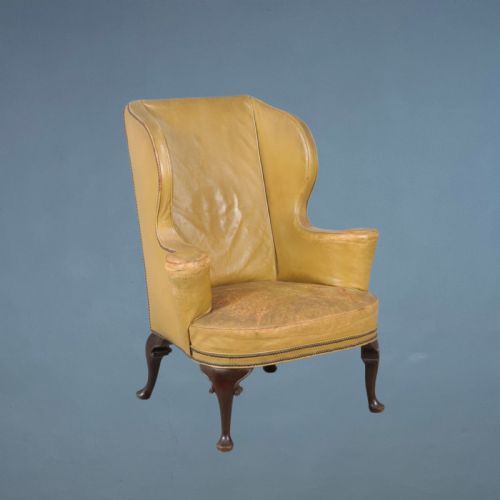
- A high-backed chair with side panels designed to shield the occupant from drafts. These pieces frequently feature exposed wooden legs or fully upholstered frames.
- Bobbin turned
- A style of woodturning characterised by a series of rounded, spool-like shapes resembling bobbins used in lace-making. It appears on the structural legs and arms of nineteenth-century revival seating.
Antique Mustard Chair: Frequently Asked Questions
What is an antique mustard chair?
An antique mustard chair is a historical seat featuring upholstery or paint in distinctive yellow and gold hues. These range from Victorian velvet armchairs to Edwardian occasional seats.
Such pieces combine period woodwork with vibrant fabric choices, providing both practical seating and strong visual character in an interior.
How do I date a Victorian armchair?
Dating a Victorian armchair involves examining the timber species, construction methods, and upholstery style. Walnut and rosewood frames often indicate mid-nineteenth-century manufacture.
Carving motifs and turned wooden elements also provide clues, as revival styles shifted from heavy baroque influences toward simpler Edwardian lines by the turn of the century.
Where should I place an occasional chair?
An occasional chair suits corners of bedrooms, reading nooks, or sitting rooms where additional seating is required without cluttering the floor plan. Their smaller scale allows for easy movement.
These chairs function well as accent pieces when paired with complementary furnishings from similar nineteenth-century or Edwardian periods.
Are these chairs comfortable for daily use?
Many antique armchairs and club chairs are built with generous proportions and deep padding designed for sustained comfort. Button-backed and upholstered designs offer substantial back support.
Maintenance of the internal webbing and traditional filling ensures that these historical seats remain suitable for regular sitting in modern homes.