



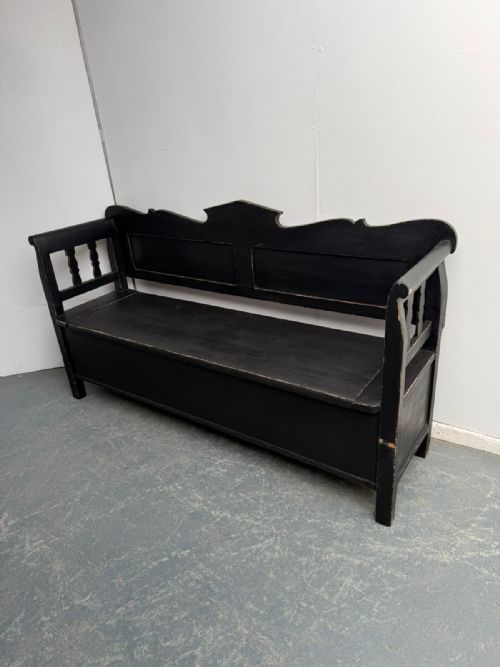


Antique Monk Painting
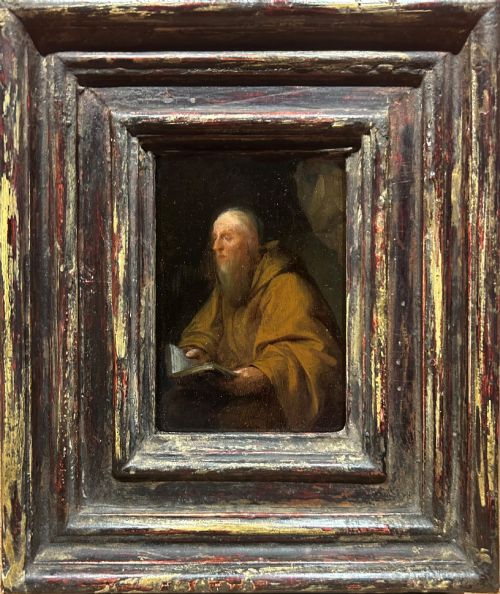
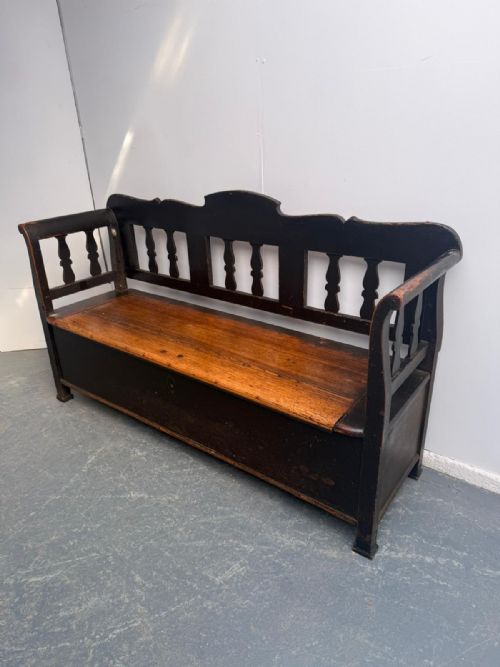
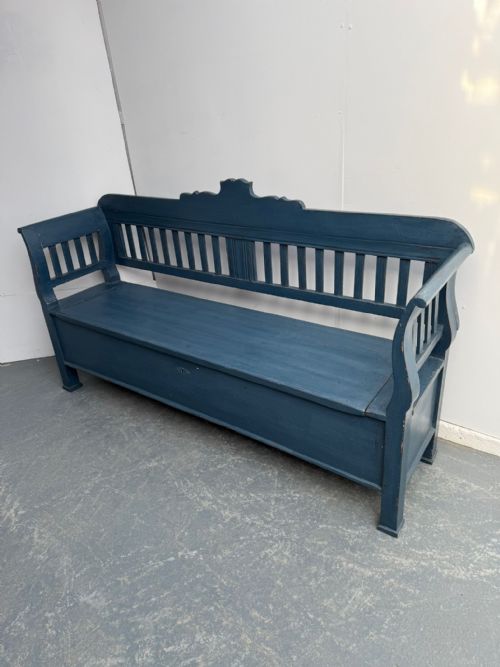
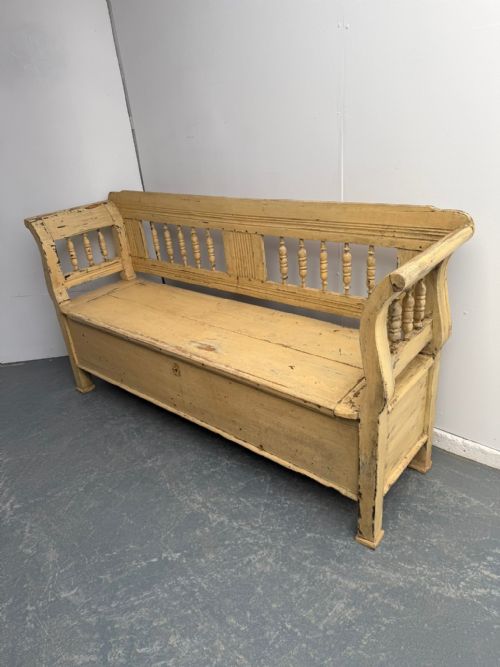
These antique monk painting pieces bring character and heritage into a room, combining religious subjects and vernacular seating in oil paint and pine.
Antique Monk Painting
When you search for an antique monk painting, you encounter a mixture of framed oil paintings depicting religious figures and sturdy pine benches associated with rustic or vernacular interiors.
The selection ranges from seventeenth-century Dutch works to nineteenth-century canvases by artists such as Frank Hyde and Joseph Emmanuel Weiser, alongside painted Hungarian settles.
Most pieces date from the Victorian and Georgian eras, showcasing folk art traditions across European country styles.
Materials and construction methods
Painters utilised oil paint on canvas or panel, sometimes framing their works in giltwood with gold leaf highlights.
Cabinet makers built the seating from pine, elm, and other carved woods, applying original coats of paint in black, grey, cream, blue, and red.
Monks in these paintings spend their time fishing and taking pinches of snuff, proving monastic life involved quiet hobbies.
Judging quality and execution
Quality rests in the fidelity of the brushwork and the preservation of original paint surfaces on both canvases and wooden furniture.
Higher grade pieces retain their untouched vernacular character, whereas lesser examples show heavy later repainting or compromised structural timber.
Jan van Staveren·Frank Hyde·Joseph Emmanuel Weiser
The Antique Monk Painting Glossary
- Settle
- A wooden bench with high back, solid arms, and often a storage box beneath the seat. This form provides draught protection in traditional interiors.
- Lambing chair
- A vernacular armchair featuring a high hooded back and enclosed sides, originally designed for shepherds during lambing season. These items utilise solid pine or elm.
- Oil painting
- A work created using pigments bound with a drying oil, typically applied to canvas or wood panel. This medium dominated European fine art from the Renaissance onward.
- Giltwood
- Wood that has been treated with a thin layer of gold leaf or gold paint. It appears frequently on traditional frames.
- Vernacular
- Architecture or furniture built by local craftsmen using regional traditions and readily available materials, rather than following high-style academic designs.
Antique Monk Painting: Frequently Asked Questions
How do I date an antique settle?
Dating relies on timber species, construction joints, and the persistence of original surface paint. Georgian and Victorian examples display distinct joinery methods.
Examining tool marks and nail types further clarifies the period of manufacture.
Where should I place a painted pine settle?
These benches suit hallways, kitchens, or living spaces where their storage capacity and high backs serve a practical function. Keep them away from direct heat sources.
Adequate clearance allows the integrated box seat to open fully without marking adjacent walls.
Are oil paintings on canvas delicate?
Oil paintings require stable indoor humidity and temperatures to prevent canvas slackening and paint cracking. Direct sunlight can alter pigment tones over decades.
Dusting should occur gently with a soft dry brush, avoiding water or chemical cleaning agents.
What defines European folk art furniture?
European folk art furniture embodies regional decorative painting traditions applied to utilitarian objects like pine benches and storage boxes. Artisans used local pigments to create distinct national styles.
These pieces reflect the everyday domestic life of rural communities rather than formal court aesthetics.