

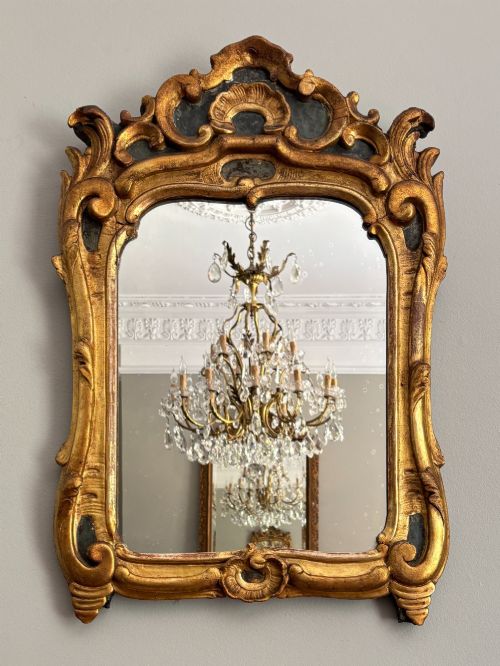
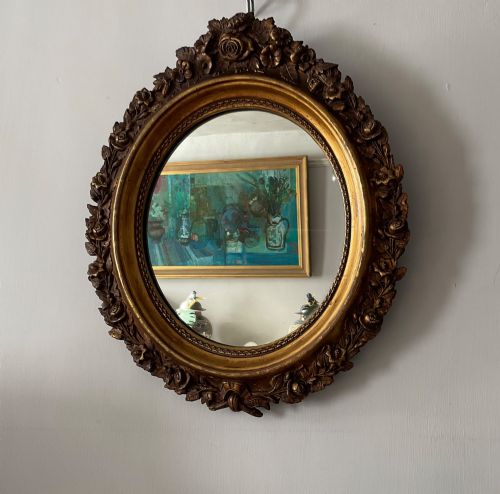
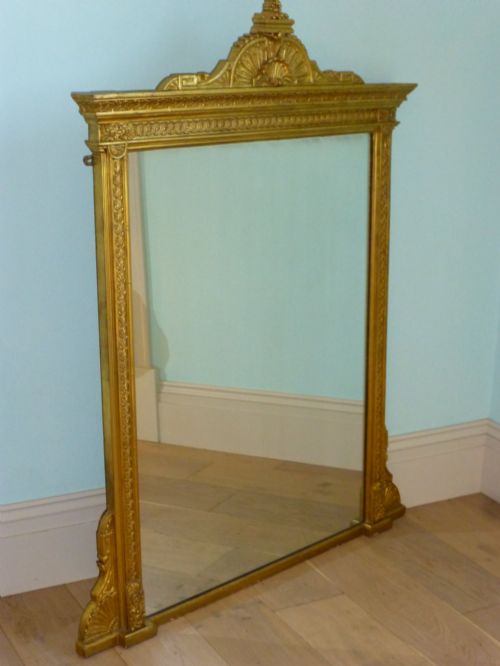
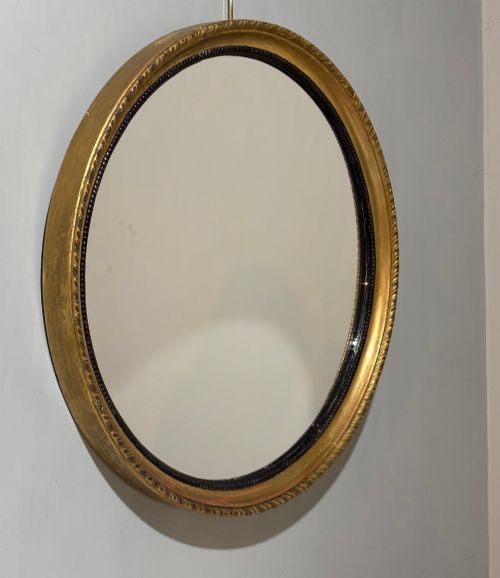
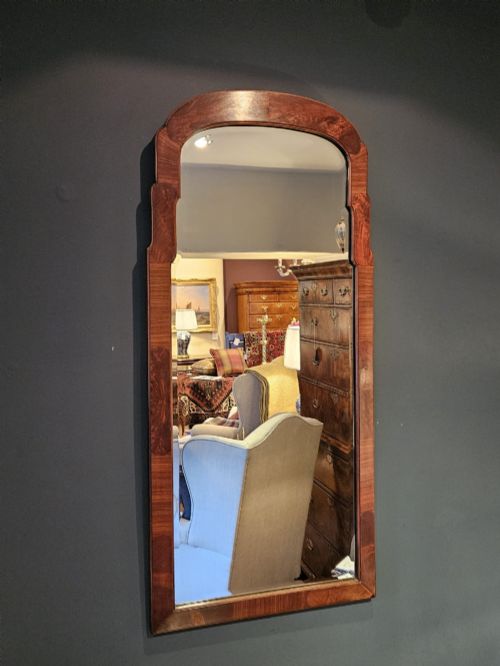
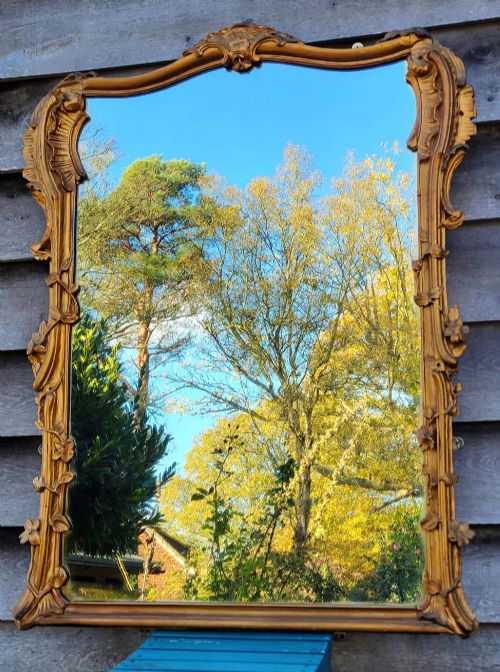
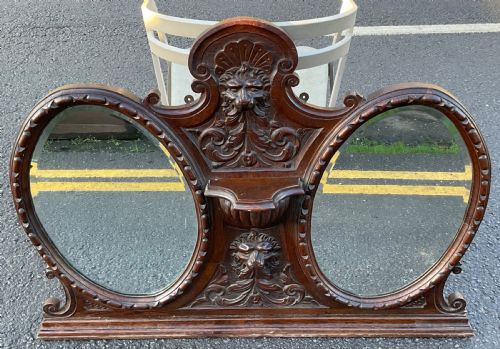
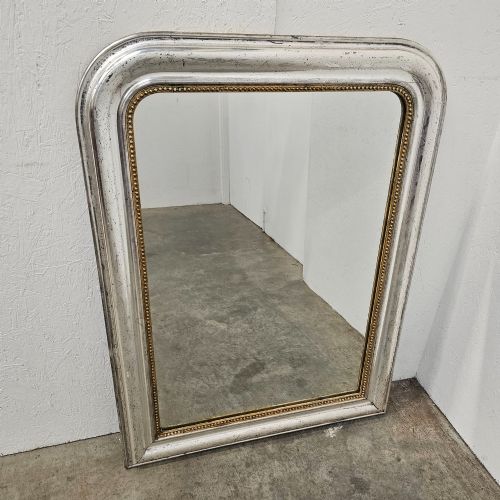
Antique Mirrored Frame
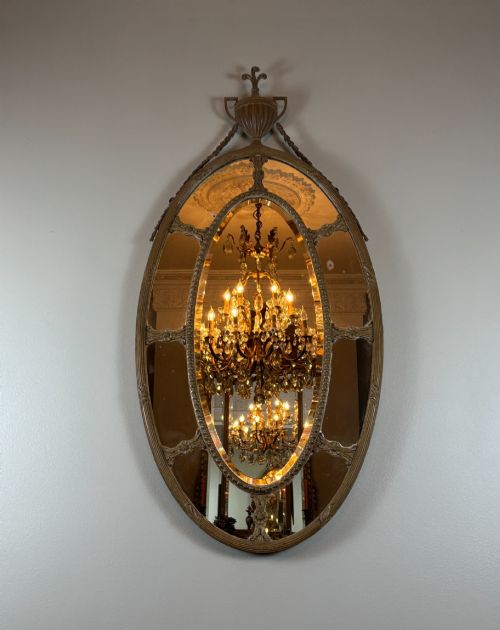
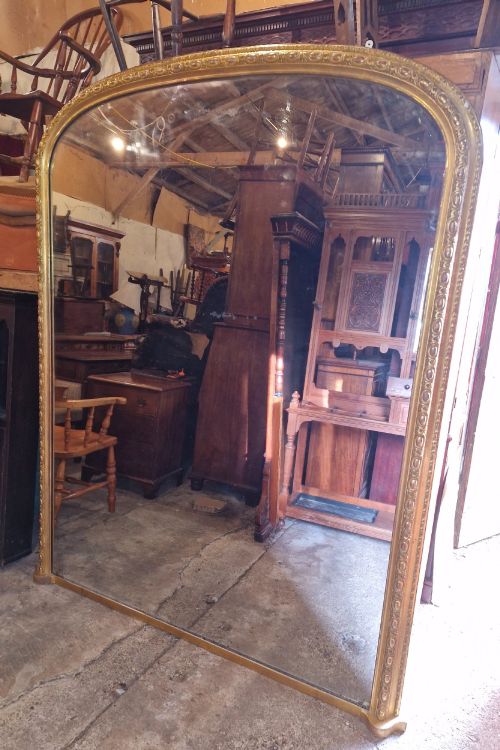
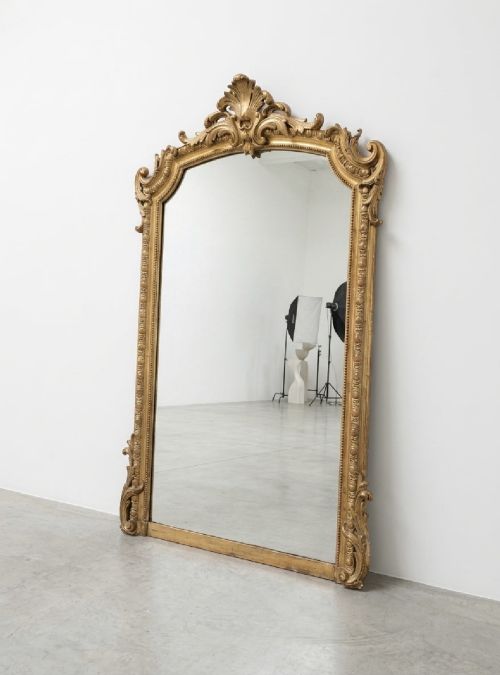
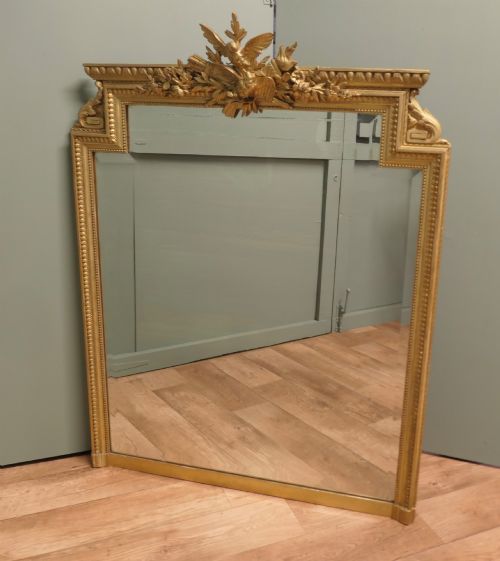
An antique mirrored frame brings depth and light to a room, drawing the eye with the rich character of aged timber and gilt.
Antique Mirrored Frame
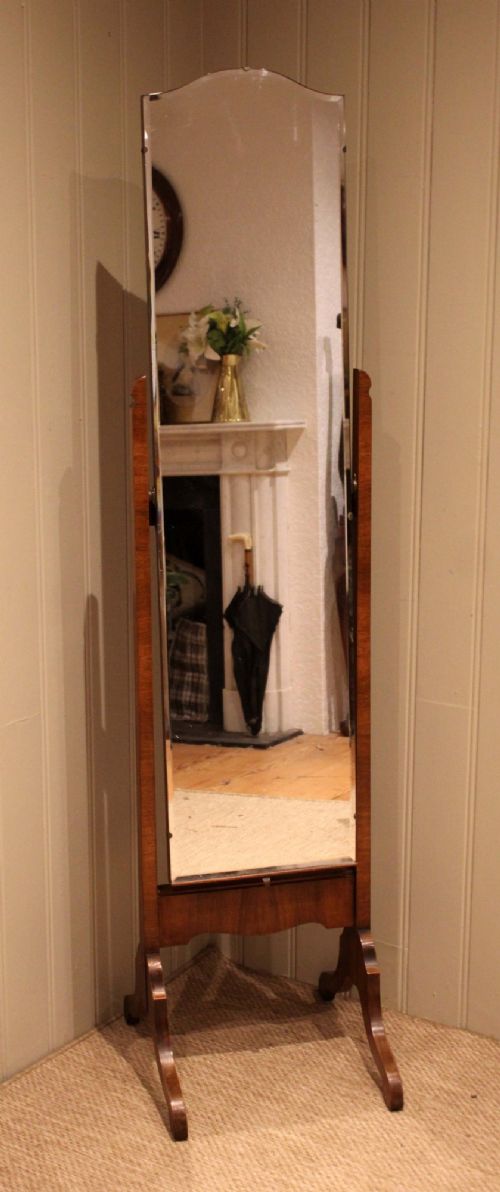
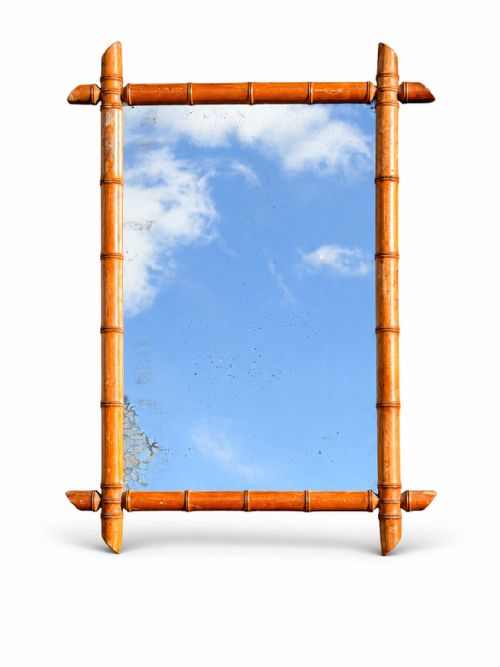
An antique mirrored frame encompasses wall mirrors, overmantel mirrors, and decorative hanging pieces shaped by centuries of design. When you search for an antique mirrored frame, you encounter formats ranging from grand overmantels intended for chimney breasts to smaller wall-hanging pieces.
The materials span walnut, oak, and maple, alongside elaborate applications of gesso and gold leaf. Many examples emerge from French, English, Italian, and Spanish traditions, reflecting regional tastes from the Georgian and Victorian eras down to the early twentieth century.
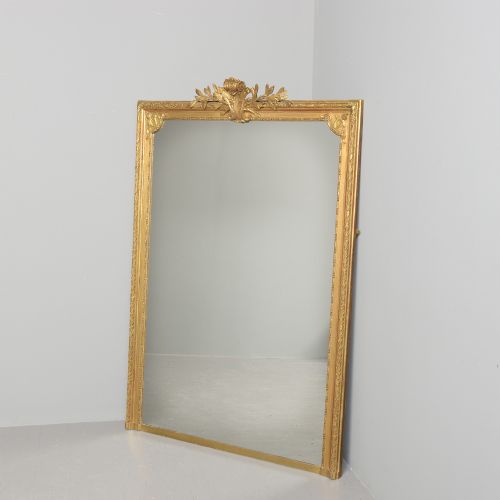
The most common formats on this page are generous wall mirrors and architectural overmantels built to anchor a room. These pieces combine functional glass with robust wooden carcasses and ornate surface decoration.
How They Were Made
Carpenters constructed the underlying structures using native and exotic timbers such as walnut, oak, and birds eye maple, joining corners with traditional joinery. Carvers then shaped wooden moulding or applied layers of gesso to build up relief ornamentation.
Makers finished many surfaces with gold leaf or water gilding, applying thin metal sheets over a prepared bole. Other pieces utilised simpler polished wood finishes or painted polychrome schemes, while glass plates were silvered or left with traditional mercury backing.
Antique Mirrored Frame Retail Price Guide 2026
Typical asking prices for mirrored frame among the pieces listed under this phrase on Sellingantiques today, from the lower quarter to the upper quarter. They describe what is for sale here now, not the wider market.
Materials represented across the inventory range from plain oak and walnut to intricate gesso, gold leaf, and tortoiseshell.
What Varies in Quality
Quality rests upon the crispness of the hand-carved detail and the integrity of the underlying wooden frame. Finer examples retain their original gilding and historic mirror plates, whereas lower tiers often show heavy later repainting or replaced glass.
The ambition of the design dictates much of the value, distinguishing straightforward utility frames from elaborate pieces featuring carved crests, pastoral oil paintings, or specialised eglomise panels.
Arsène Rochette of Versailles
The Antique Mirrored Frame Glossary
- Giltwood
- Wood that has been coated with gold leaf or gold dust. This finish catches the light and warms interiors.
- Gesso
- A plaster mixture applied to wood frames to create a smooth surface for carving or gilding. It allows for intricate raised ornamentation.
- Overmantel mirror
- A large mirror designed to hang specifically above a fireplace mantel. These pieces often feature architectural arches and wide proportions.
- Mercury glass
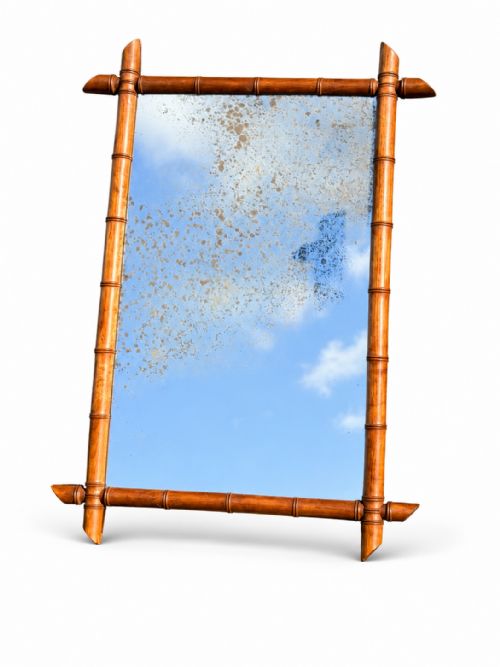
- An early type of mirror glass created using a tin and mercury amalgam. It produces a characteristic mottled, foxed appearance.
- Trumeau
- A decorative wall mirror incorporating a painted panel or artwork above the glass plate. Originating in France, these pieces served as permanent wall decoration.
Antique Mirrored Frame: Frequently Asked Questions
How do I hang a heavy overmantel mirror safely?
Heavy overmantel mirrors require direct attachment to wall studs using robust steel brackets or mirror plates rated for the specific weight. Professional installation ensures the substantial frame remains secure against the masonry or wall.
Because these pieces often carry considerable mass in timber and glass, relying on simple picture wire is inadequate. Distributing the load across multiple fixing points protects both the antique frame and the wall surface.
What is foxed glass?
Foxed glass refers to mirror plates that have developed dark spots, oxidation, and mottled degradation over decades of exposure to moisture and air. This ageing process creates a soft, hazy reflection.
Many collectors prize foxed glass because it proves the age of the mirror plate and adds atmospheric character. It softens the reflection rather than offering the clinical clarity of modern glass.
Can I place an antique mirror in a bathroom?
Bathrooms experience high humidity and fluctuating temperatures that can damage historic wood, gesso, and silvered mirror backs. Moisture penetrates old joints and accelerates the deterioration of the frame.
If you choose to place an antique mirrored frame in a bathroom, ensure adequate ventilation and keep it away from direct water splashes. Dry environments preserve the original materials far better.
How do I clean an antique mirror frame?
Dust the carved wooden and gilt surfaces gently with a soft, dry brush or microfiber cloth. Avoid commercial liquid cleaners, which can strip historic finishes or damage fragile gesso.
For the glass plate, apply a mild glass cleaner to a cloth rather than spraying directly onto the mirror. This prevents moisture from seeping behind the glass and staining the backing.