



Antique Mirror with Birds
An antique mirror with birds brings a lively touch of nature into a room, framed by historic craftsmanship and feathered crests.
Antique Mirror with Birds
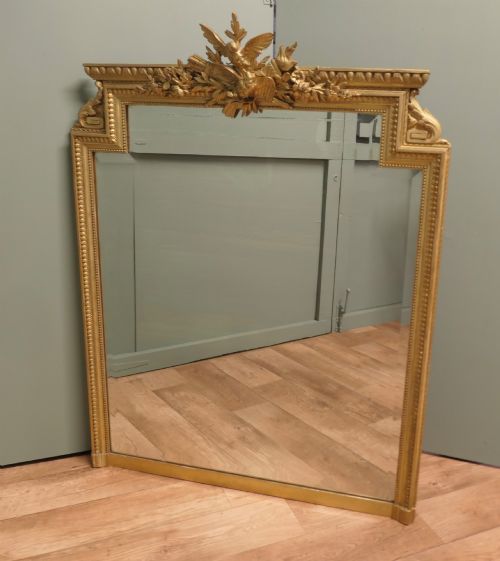
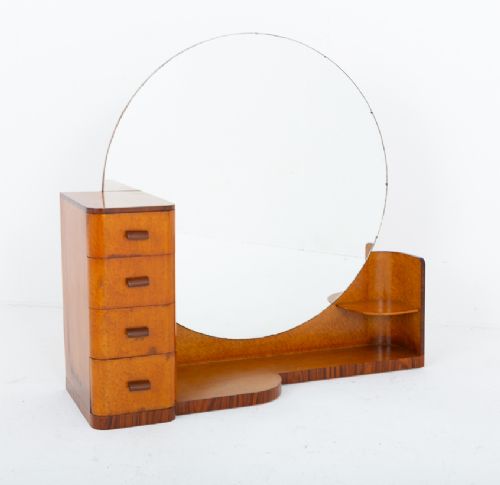
An antique mirror with birds brings feathered crests and avian motifs into historical interiors, often taking the form of wall mirrors or overmantels. Buyers searching this phrase encounter pieces shaped by Georgian, Victorian, and Regency hands, alongside later Art Deco expressions.
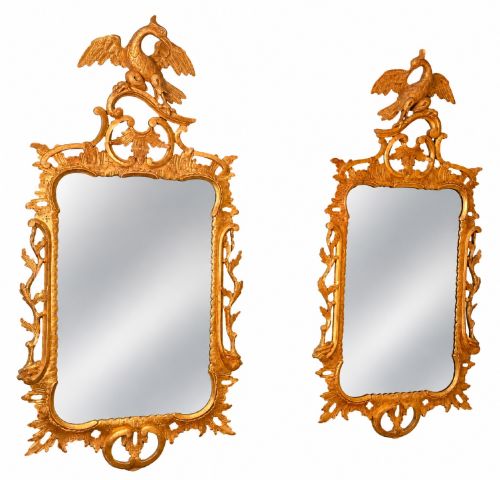
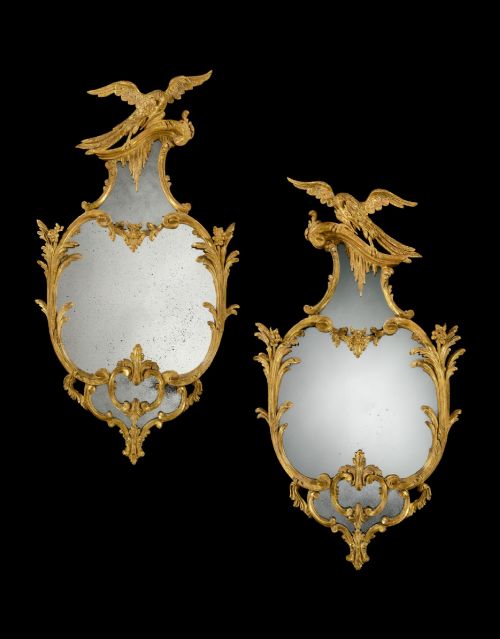
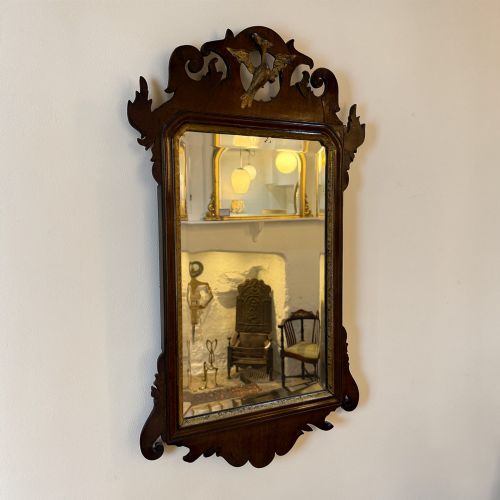
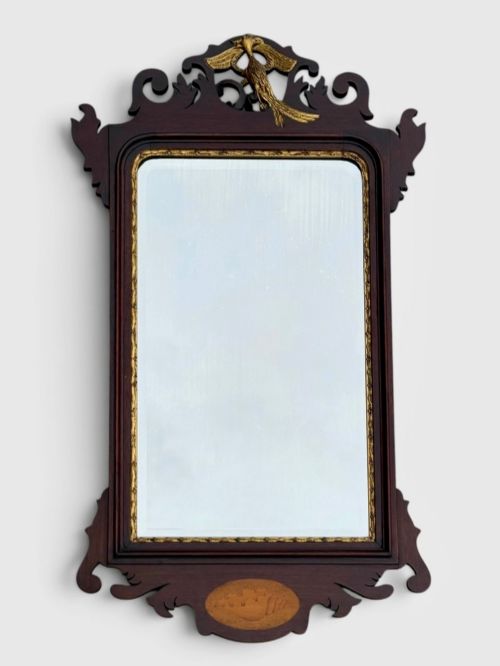
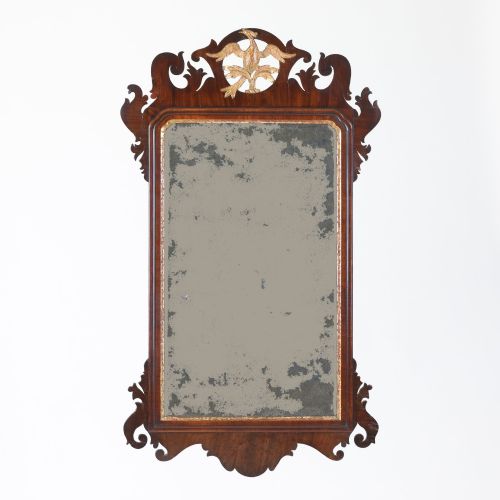
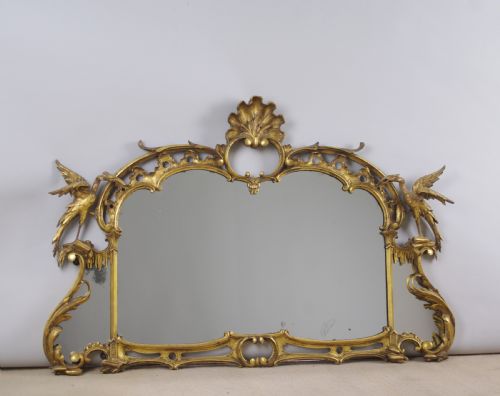
The most common version met here is the giltwood or mahogany wall mirror topped with a carved bird, frequently identified as a ho-ho bird or phoenix. These wall pieces draw the eye upward with intricate fret-cut woodwork and gilded surfaces.
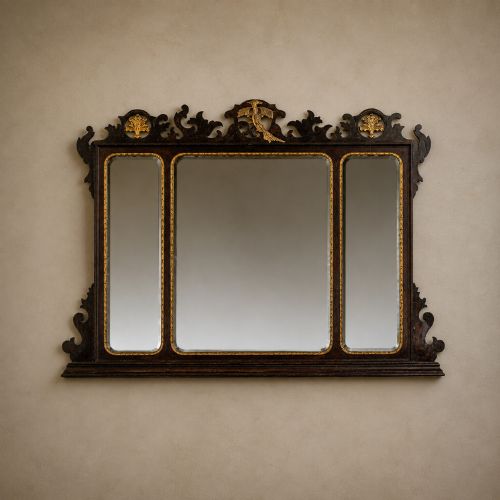
Larger formats also appear, including multi-section overmantels designed to sit above a fireplace. These grander pieces sometimes incorporate triptych glass and additional animal details alongside the central avian crest.
Materials and construction
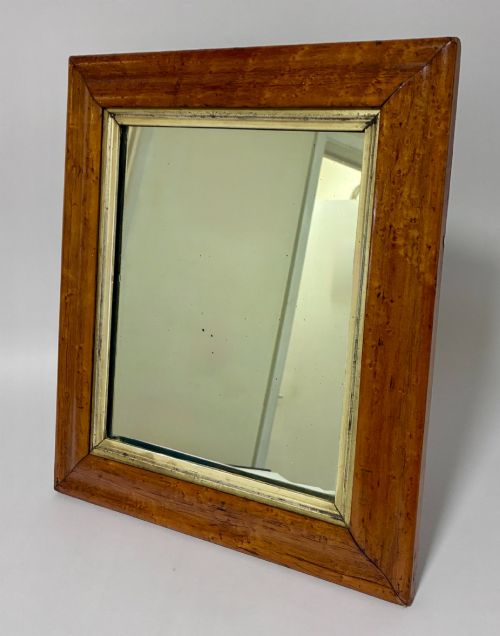
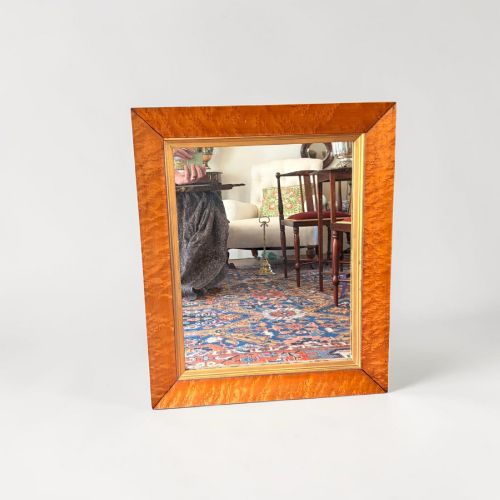
Makers shaped these frames from dense timbers like mahogany, maple, and birds eye maple, often finishing them with carved gesso and applied gold leaf. Giltwood construction required skilled hands to carve intricate details into soft wood before layering the gilding.
Fret-cut techniques allowed artisans to pierce the wood into elaborate scrolls and silhouettes, particularly evident in Georgian and revival pieces. Glass panels were hand-silvered and sometimes paired with reverse glass paintings or etched designs.
Antique Mirror with Birds Retail Price Guide 2026
Typical asking prices for mirror with birds among the pieces listed under this phrase on Sellingantiques today, from the lower quarter to the upper quarter. They describe what is for sale here now, not the wider market.
Listings feature periods ranging from the eighteenth century through the Art Deco era, utilising materials such as giltwood, mahogany, and maple.
Judging the craftsmanship
The distinction between ordinary and exceptional work lies in the crispness of the carving and the depth of the gilding. Superior examples display sharply defined feathers and scrollwork that remain crisp beneath layers of historic finish.
Proportion and balance also set the finer pieces apart, ensuring the crest integrates harmoniously with the mirror plate. The quality of the underlying wood and the preservation of the original glass plate contribute greatly to the piece's integrity.
Harry and Lou Epstein
The Antique Mirror with Birds Glossary
- Ho-ho bird
- A mythical Chinese bird adapted into European rococo and chinoiserie design, often perched atop mirror crestings. This creature is easily recognised by its crested head and elaborate tail feathers.
- Giltwood
- Wood that has been coated with gold leaf or gold paint for a brilliant decorative surface. This finish catches the light and defines the ornate contours of the frame.
- Gesso
- A plaster-like mixture applied to wood frames to provide a smooth base for carving and gilding. Artisans could model this material into raised decorative reliefs before applying gold leaf.
- Overmantel mirror
- A large mirror designed specifically to hang on the wall above a fireplace mantel. These pieces often feature divided plates and expansive horizontal proportions.
- Triptych
- A mirror divided into three distinct vertical sections, often hinged or framed together in a tripartite arrangement. This layout offers multiple angles and a grand visual presence.
Antique Mirror with Birds: Frequently Asked Questions
Where should I hang an overmantel mirror?
These large mirrors are traditionally mounted directly above a fireplace mantel to reflect light and anchor the room's proportions.
Ensure the wall fixings can support the substantial weight of the timber and glass frame before installation.
What is a ho-ho bird?
A ho-ho bird is a stylized phoenix figure derived from Asian decorative arts and embraced by European craftsmen during the eighteenth and nineteenth centuries.
It appears frequently as a carved crest on the top of framed looking glasses.
How do I care for antique giltwood?
Dust the surface gently with a soft, dry brush to protect the delicate gold leaf layer from abrasion.
Avoid using liquid cleaners or damp cloths, as moisture can damage the underlying gesso and wood.
How can I tell a Georgian mirror from a Victorian revival?
Georgian pieces generally show the lighter, hand-carved construction typical of eighteenth-century workshops, while Victorian revivals often feature heavier timber framing and denser gesso work.
Examining the backboards and the ageing of the mirror plate helps confirm the period of manufacture.