
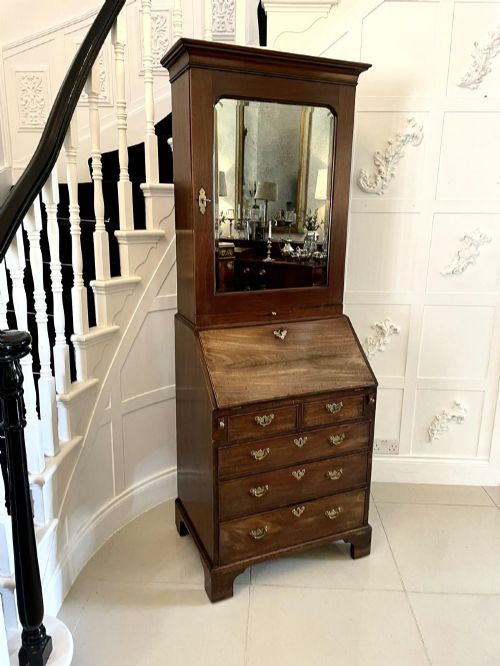
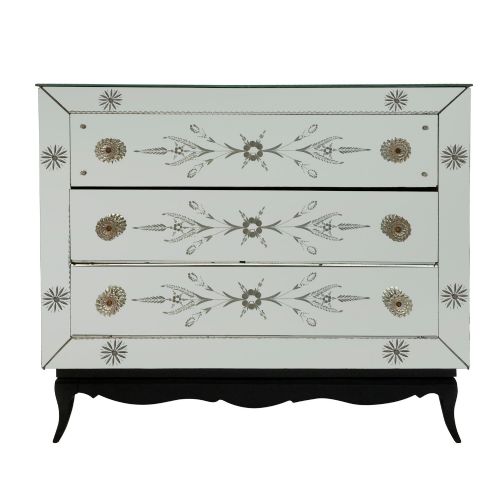
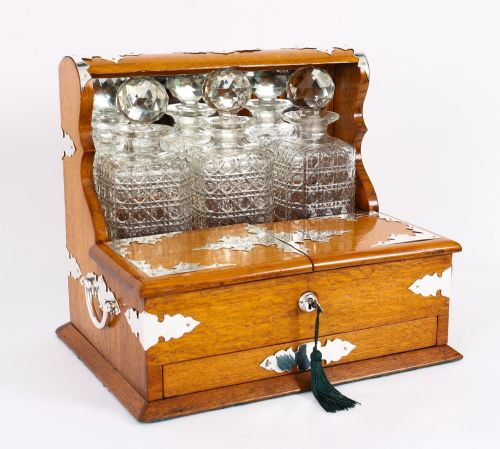
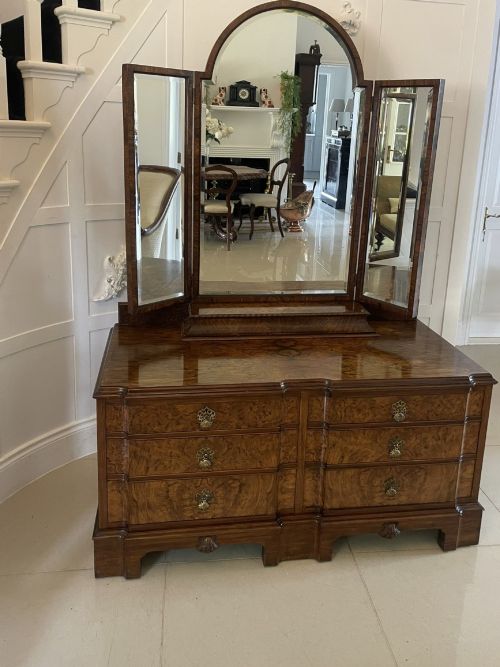
Antique Mirror Chest
An antique mirror chest combines storage and a reflective glass surface, offering functional elegance for dressing and daily grooming.
Antique Mirror Chest
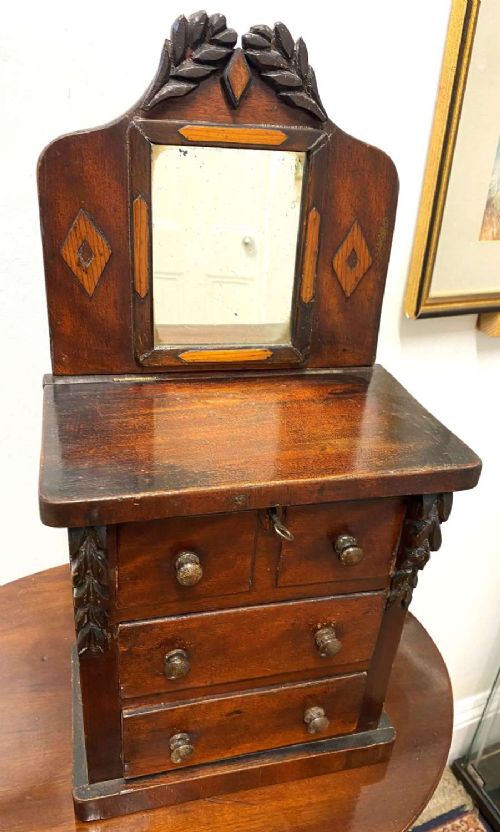
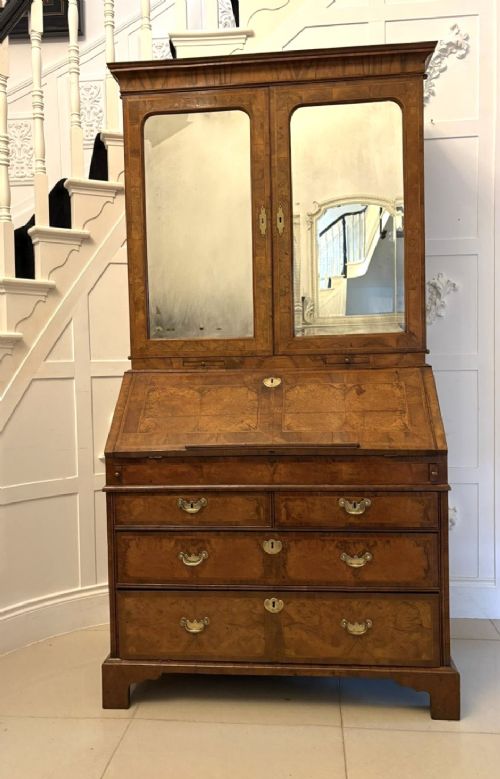
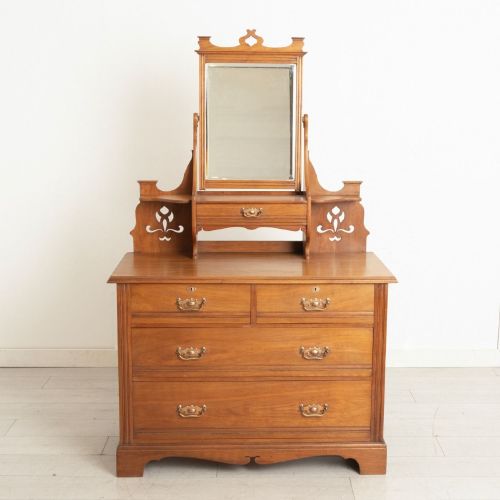
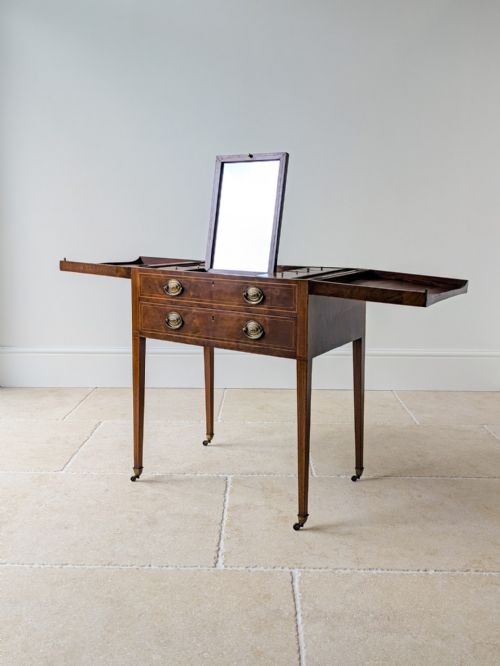
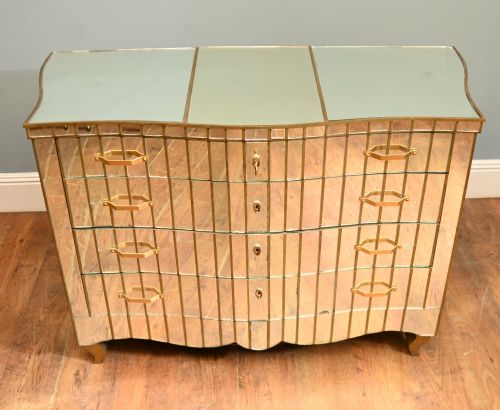
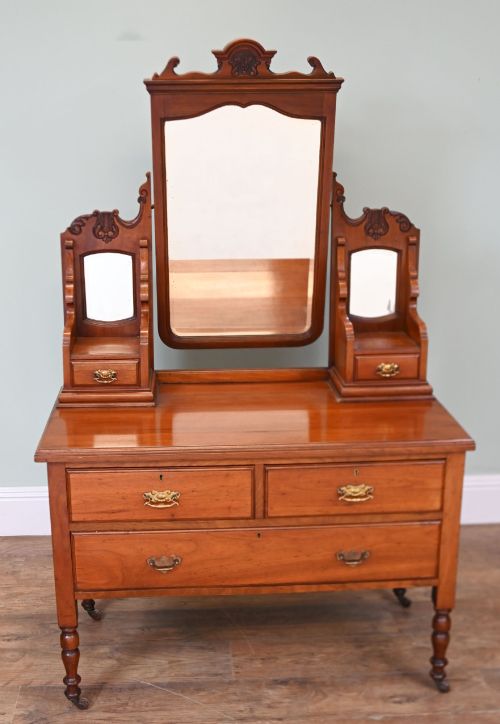
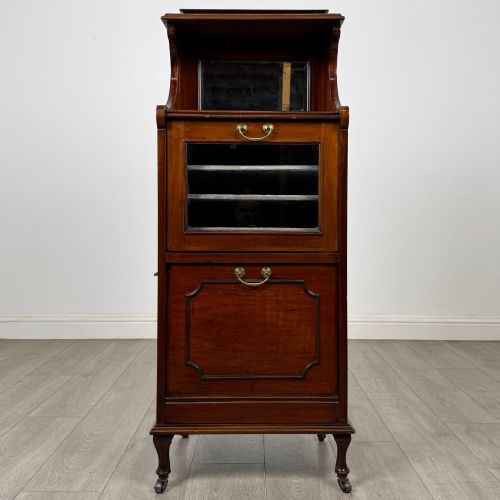
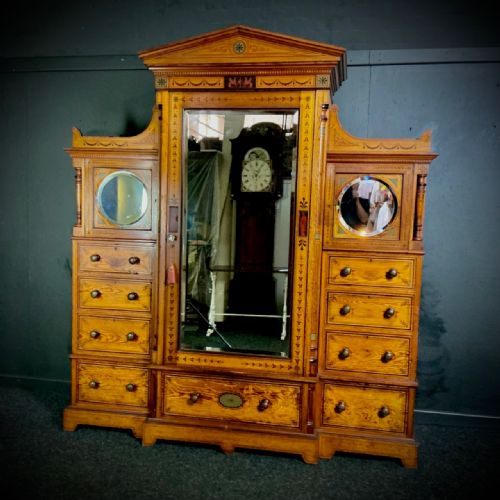
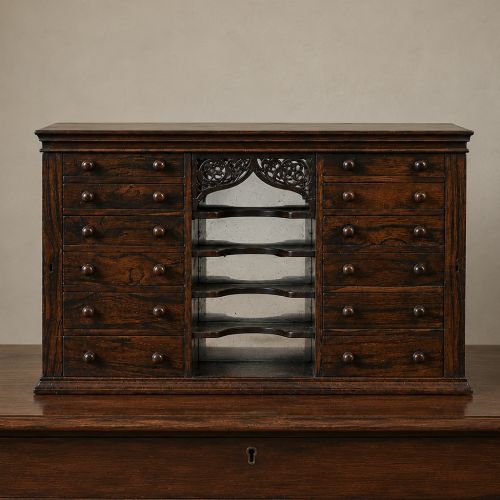
When you search for an antique mirror chest, you are looking at dual-purpose bedroom furniture that integrates a set of drawers or a cabinet with an attached or fitted mirror. These pieces emerge primarily from the Victorian and Edwardian eras, extending into the 1930s Art Deco period.
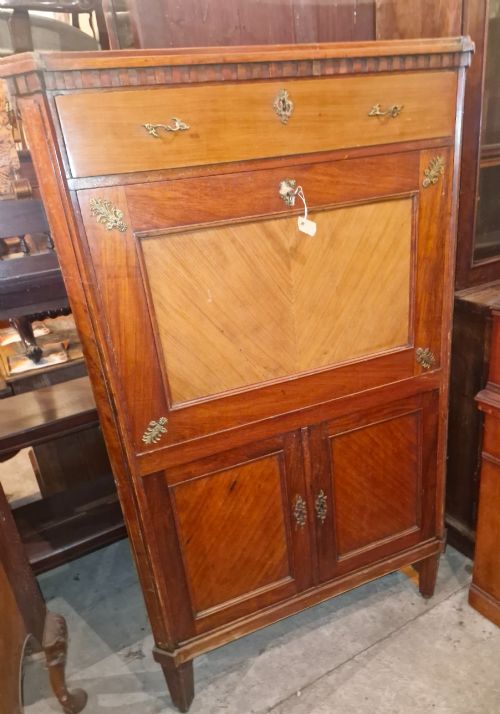
Evidence shows examples ranging from Georgian gentleman's dressing tables to French mirrored chests of drawers and Arts and Crafts oak designs, combining personal storage with a dedicated glass viewing surface.
Materials and construction methods
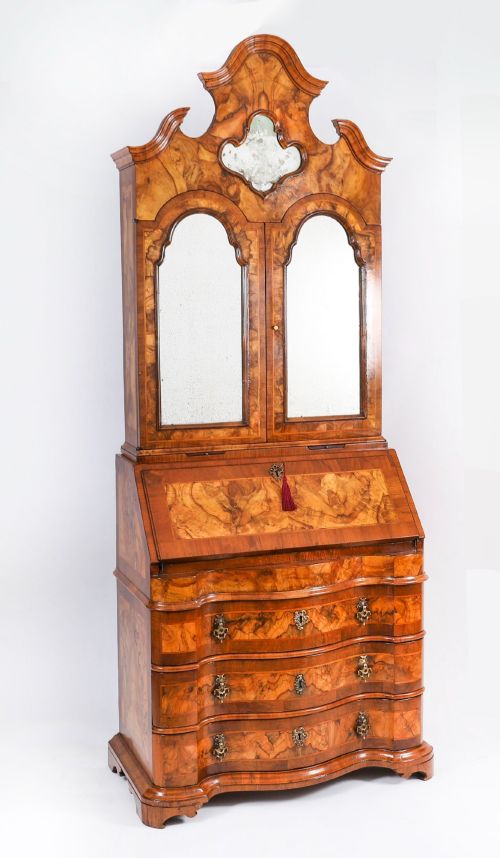
Cabinetmakers utilised hardwoods such as mahogany, oak, and walnut, frequently selecting burr walnut or figured veneers for decorative impact on drawer fronts and mirror surrounds.
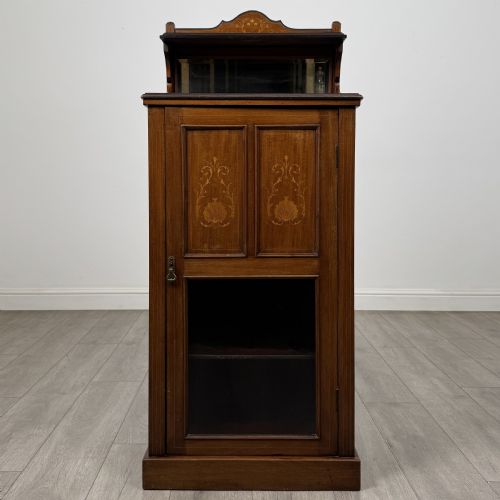
Glass mirror plates were integrated into wooden frames, sometimes shaped as shields or bevelled at the edges, supported by upright pivots or backing panels attached directly to the chest.
Joinery involved traditional techniques, while secondary materials like brass handles, marble tops, and pine carcases supported the primary timber structures.
Form variations include dressing tables, vanity units, gentleman's chests, and washstands equipped with mirror glass.
Distinctions in quality
The selection of timber grain and veneer symmetry largely separates standard production from finer examples, particularly where figured and burr walnut are aligned across multiple drawers.
Construction detail in the drawer linings, dovetail joints, and the weight of the brass or turned wooden hardware indicate the care taken during manufacture.
The clarity and original state of the mirror glass, alongside the integrity of the integrated framework, distinguish pieces preserved with greater fidelity.
Heals·George Walton·Shapland and Petter·Maurice Adams·Lamb of Manchester
The Antique Mirror Chest Glossary
- Burr walnut
- Timber taken from a tree growth featuring intricate, swirling grain patterns. It is sliced into veneers to adorn the prominent surfaces of fine cabinets.
- Dovetail joint
- A method of joining two pieces of wood by interlocking wedge-shaped fingers. This traditional technique ensures robust drawer construction.
- Pedestal dressing table
- A vanity unit featuring two banks of drawers flanking a central kneehole space. They often support a large mirror fixture.
- Bevelled mirror
- Glass featuring an angled edge ground down to a thinner border. This decorative finish catches the light and frames the reflection.
- Washstand
- A piece of bedroom furniture designed for morning ablutions, frequently incorporating marble tops and mirror backs in later Victorian examples.
Antique Mirror Chest: Frequently Asked Questions
What is a mirror chest?
A mirror chest is a piece of bedroom furniture that combines a chest of drawers or a cabinet with an integrated glass mirror. They were used for storage and personal grooming in bedrooms.
These pieces range from compact Edwardian dressing chests to larger Victorian combination units and French mirrored cabinets.
How do I date an antique mirror chest?
Dating relies on observing the timber species, hardware styles, and construction methods used in the piece. Evidence spans the Georgian, Victorian, Edwardian, and 1930s periods.
Design markers such as Arts and Crafts influences or Art Deco geometric veneering help assign pieces to specific decades within the nineteenth and twentieth centuries.
Where were these pieces used?
These chests were primarily placed in bedrooms, dressing rooms, and guest chambers for daily grooming and personal storage. They provided a private space for washing and dressing.
In grander houses, they formed part of matched bedroom furniture suites alongside wardrobes and washstands.
How do I care for the mirror glass?
Maintain the mirror glass by using gentle cleaning methods that avoid harsh chemicals running onto the antique timber frame. Secure the mounting brackets periodically if the mirror is adjustable.
Protect the surrounding wood veneer from excessive moisture and direct sunlight to preserve the finish.