

Antique Miniature Glass
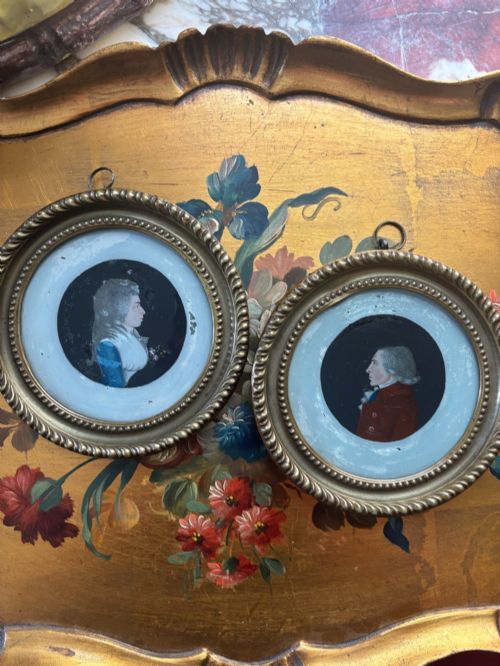
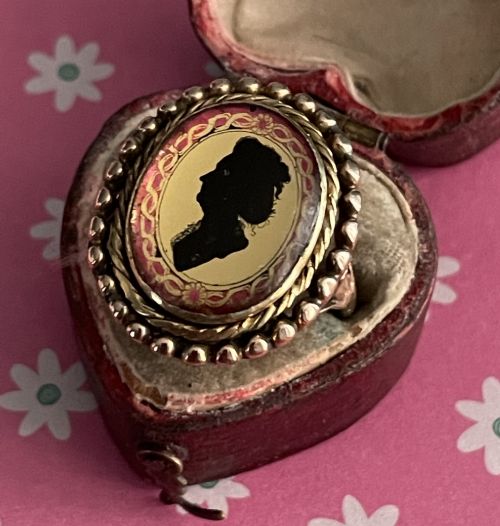
Antique miniature glass gathers together tiny scent bottles, delicate patch stands, and painted portraits from the eighteenth and nineteenth centuries.
Antique Miniature Glass
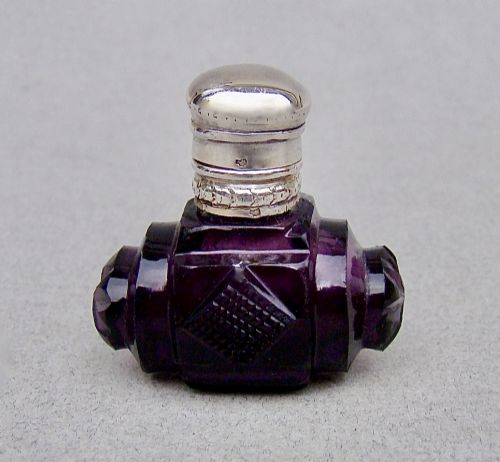
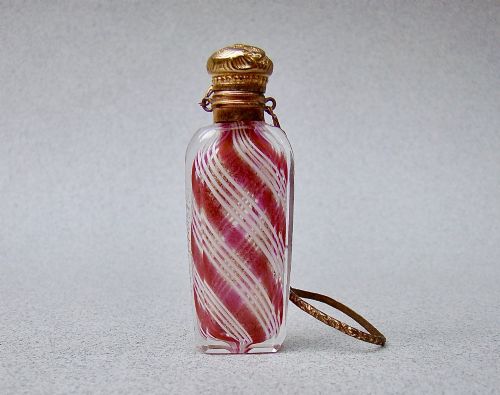
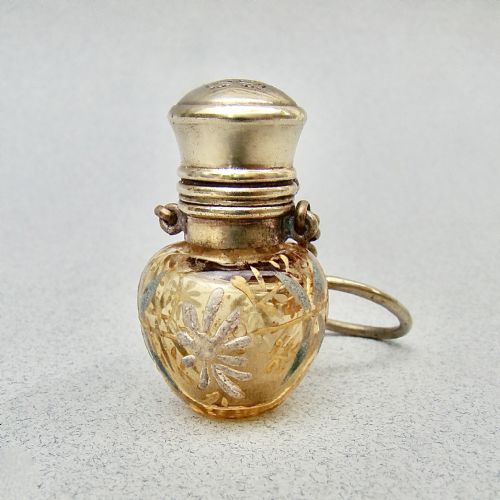
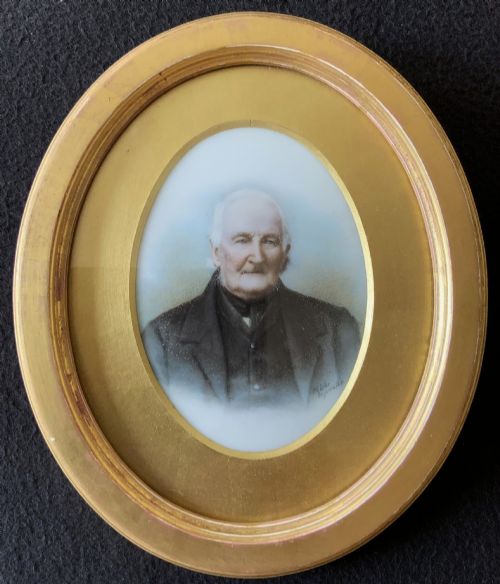
When you search for antique miniature glass, you encounter small decorative and functional objects produced primarily during the eighteenth and nineteenth centuries. These include lead glass patch stands, scent bottles with silver mounts, and delicate portrait miniatures executed directly on glass.
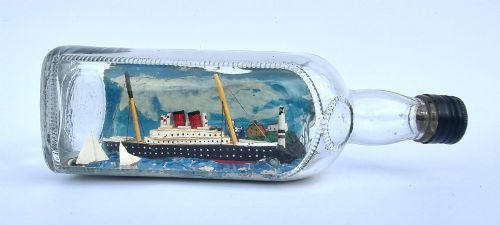
The most common examples on this page date from the Georgian and Victorian eras, ranging from humble folk art bottles to refined French cameo glass vases. Each piece reflects the scale and precision demanded by makers working in miniature during these periods.
How they were made
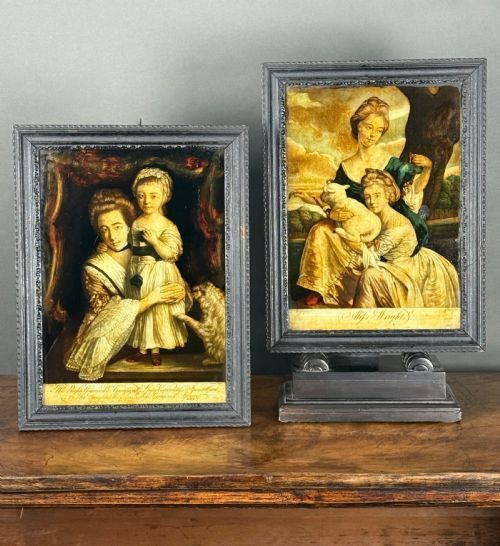
Makers utilised lead glass, enamel, and paint, often combining blown glass bodies with sterling silver or brass fittings. Techniques like reverse painting on glass and mould-blowing created intricate details within restricted dimensions.
Craftsmen applied gilding and enamel directly to the glass surface, utilising steady hands to achieve fine portraits and botanical scenes on diminutive objects.
Antique Miniature Glass Retail Price Guide 2026
Typical asking prices for miniature glass among the pieces listed under this phrase on Sellingantiques today, from the lower quarter to the upper quarter. They describe what is for sale here now, not the wider market.
The listings span the eighteenth, nineteenth, and early twentieth centuries, incorporating materials like sterling silver, brass, and enamel alongside glass.
What varies in quality
The distinction between standard examples and the finest works lies in the crispness of the glass moulding and the precision of the painted or enamelled details. Sharp knops on stemware and clear, unblemished reverse paintings elevate certain pieces above mass-produced items.
Condition and originality dictate much of the standing within this category, particularly where fragile glass meets delicate metal mounts or wooden elements.
Daum·Moser·Hukin & Heath·Edwards & Roberts
The Antique Miniature Glass Glossary
- Patch stand
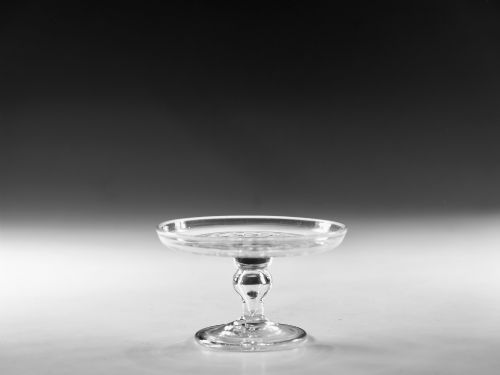
- A small pedestal dish used to hold cosmetic patches favoured in the eighteenth century. These diminutive vessels often feature moulded lead glass and terraced feet.
- Reverse painting on glass
- An artistic technique where the image is painted on the back of the glass pane and viewed from the front. This protects the pigment and produces a glossy finish.
- Cameo glass
- A method of glass-making where layers of contrasting colours are carved away to produce a raised design. It requires immense skill on small-scale vessels.
- Lead glass
- Heavy, brilliant glass containing lead oxide that increased clarity and weight. It was widely utilised for Georgian drinking vessels and miniature stands.
- Verre eglomise
- A process of applying cold painting and metal leaf to glass. The reverse side is then sealed to preserve the metallic lustre.
Antique Miniature Glass: Frequently Asked Questions
How do I date antique glass?
Dating relies on observing manufacturing traits such as pontil marks, lead content, and specific decorative styles like Georgian moulding or Victorian silver mounts. Comparing the form to dated examples in collections provides further accuracy.
Material composition and wear patterns also help establish the approximate period of creation.
Were patch stands used daily?
Georgian patch stands served a specific social function on dressing tables where cosmetic patches were stored and selected. Ladies applied these small fabric shapes to the face to highlight complexions or conceal blemishes.
Their small glass forms made them practical yet decorative accessories for fashionable interiors.
How should I clean miniature glass?
Cleaning requires simple lukewarm water and a soft cloth, avoiding harsh chemicals that might damage old enamel or painted surfaces. Extra care must be taken around delicate silver mounts and reverse-painted panels.
Submerging fragile joined items should be avoided entirely to protect original adhesives and structural integrity.