



Antique Miniature Carving
An antique miniature carving condenses complex craftsmanship into a small compass, offering intimate scale and great tactile appeal.
Antique Miniature Carving
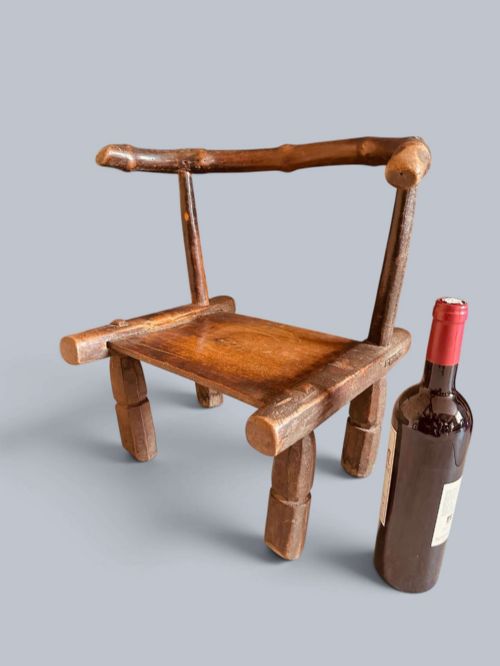
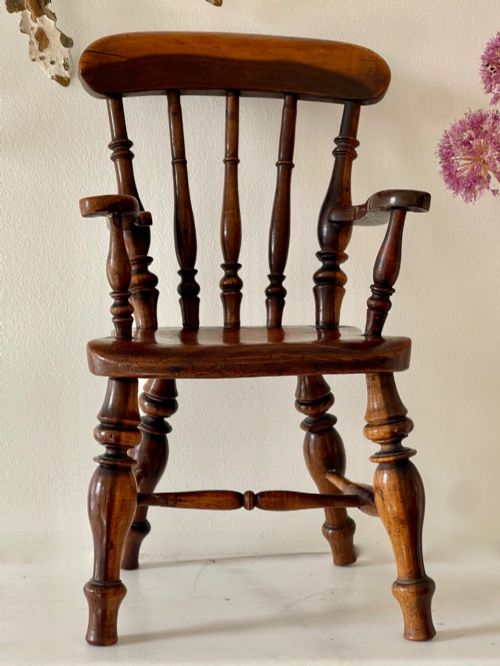
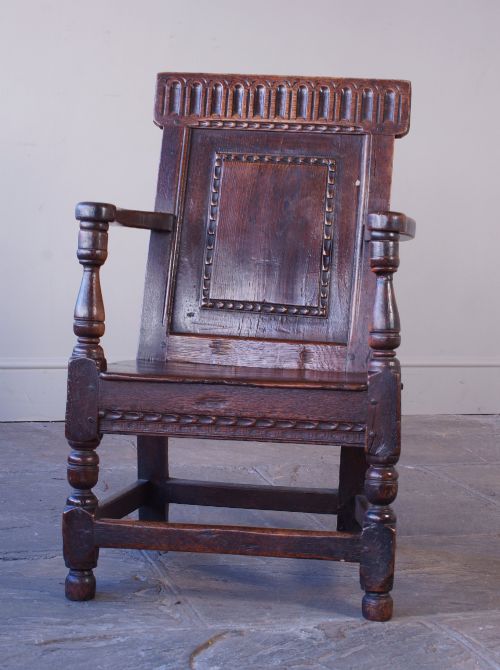
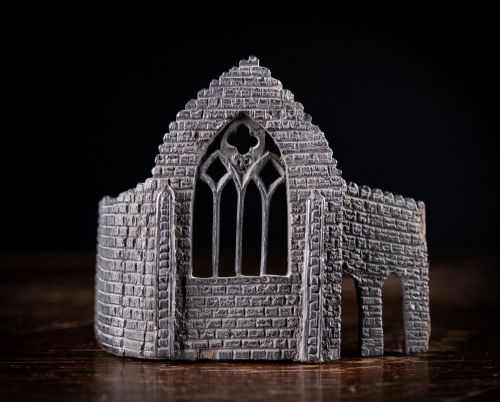
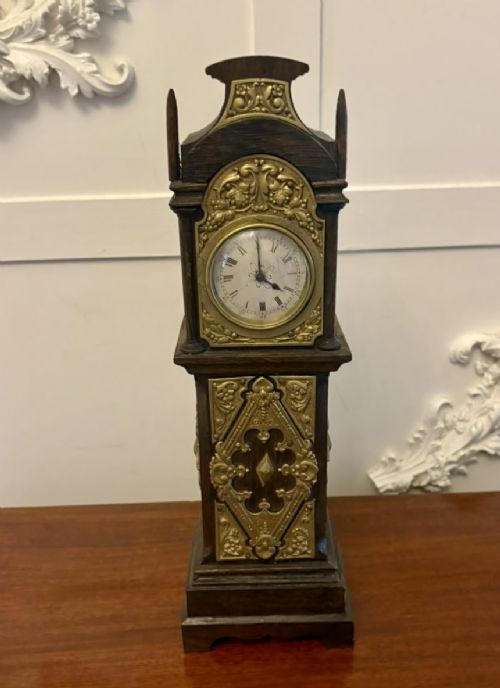
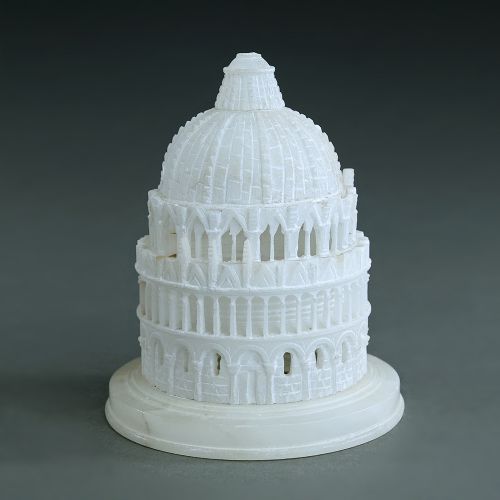
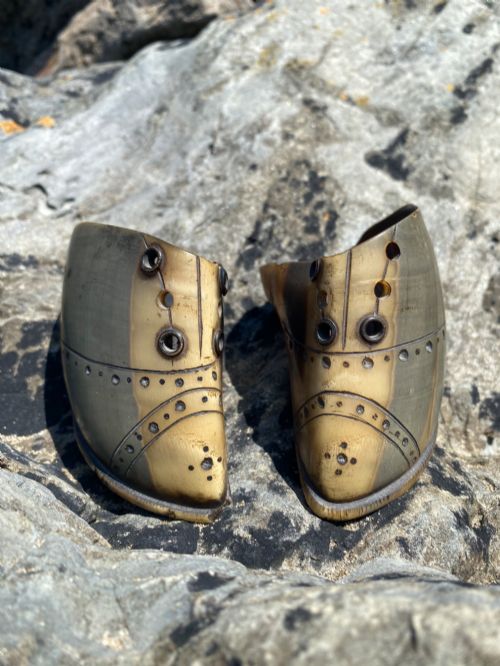
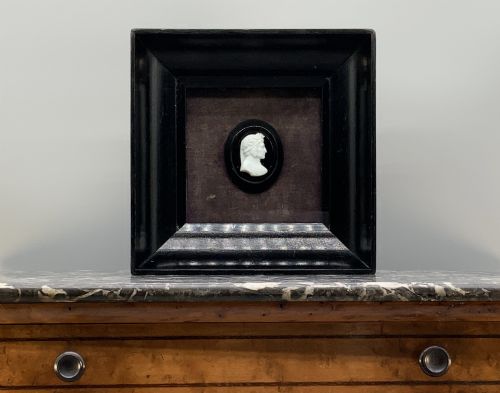
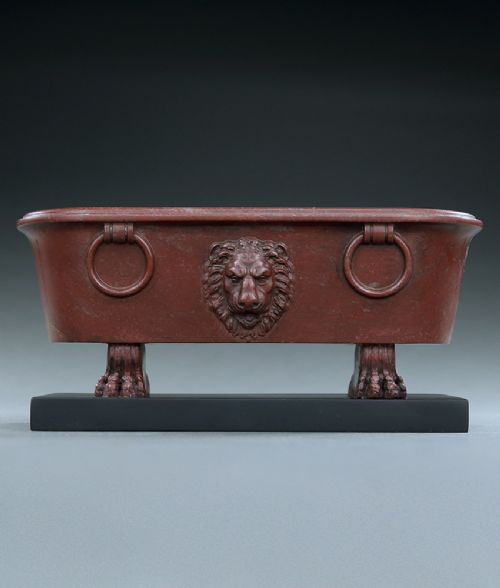
When searching for an antique miniature carving, buyers encounter small-scale items spanning the eighteenth and nineteenth centuries, alongside Victorian and Edwardian examples. These pieces range from folk art models and architectural souvenirs to Japanese netsuke and okimono carved from wood or antler.
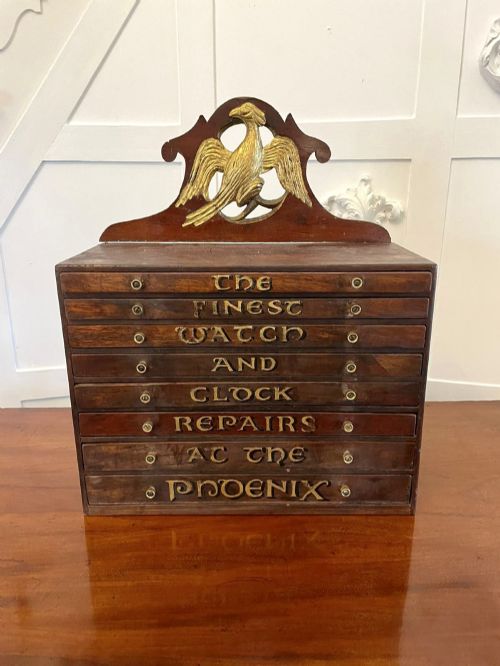
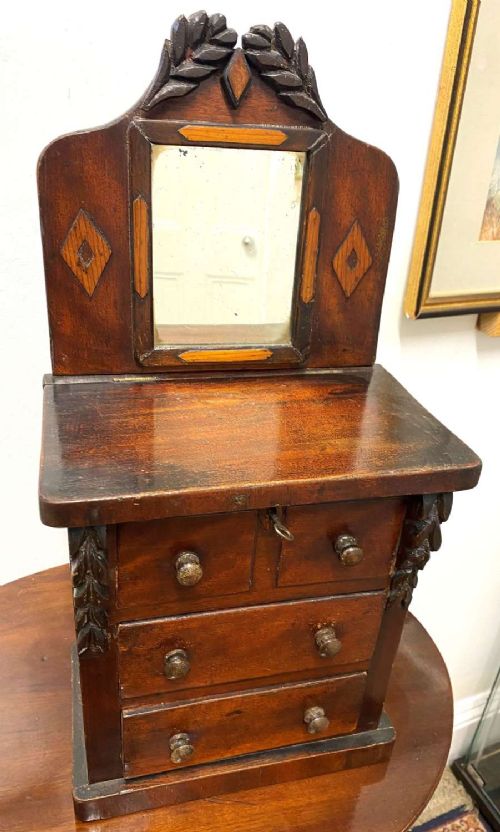
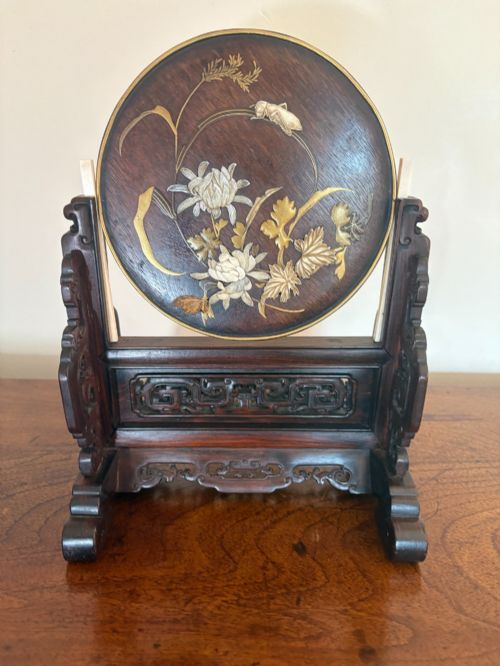
The selection on this page frequently includes carved figures, small wooden chests, and decorative table screens reflecting diverse regional traditions. Such objects served practical, decorative, or personal devotional functions, carrying intricate detail despite their diminutive dimensions.
How They Were Made
Makers utilised dense organic materials such as boxwood, ivory, bone, and stag antler, which accepted fine tool marks without splintering. These substances allowed artisans to execute minute facial expressions, patterned drapery, and delicate surface textures.
Other pieces employ cabinet woods like oak, mahogany, and rosewood, shaped into miniature furniture or architectural models using traditional joinery. Hand tools predominated, requiring patient paring, gouging, and polishing to achieve the finished form.
Antique Miniature Carving Retail Price Guide 2026
Typical asking prices for miniature carving among the pieces listed under this phrase on Sellingantiques today, from the lower quarter to the upper quarter. They describe what is for sale here now, not the wider market.
Someone once carved an entire naval battle inside a glass bottle using wood scraps and thread.
What Varies in Quality
The standard of a carving depends primarily on the discipline of the hand behind the tool, distinguishing confident, purposeful cuts from hesitant ones. Superior works display clean undercut details, anatomical plausibility in figures, and a crispness of edge that survives decades of handling.
Material selection also dictates worth, as dense, well-grained woods or finely patinated antler take a superior natural shine. Furthermore, proportion matters immensely; inferior pieces often look clumsy or thick in their members, whereas better examples maintain architectural or figural harmony at a small scale.
The Antique Miniature Carving Glossary
- Netsuke
- A small carved toggle used in traditional Japanese dress to secure a suspended pouch or container. These items typically feature pierced channels for cord passage and depict animals, deities, or historical figures.
- Okimono
- A Japanese freestanding decorative carving intended for display rather than practical fastening. They share the intricate detail and subject matter of netsuke but lack cord holes.
- Coffer Bach
- A small Welsh oak chest traditionally made as a marriage gift or dowry piece. These miniature boxes often feature panelled construction and raised feet.
- Shibayama
- A technique of inlaying delicate materials such as mother-of-pearl, ivory, and tortoiseshell into wood or lacquered grounds. The method creates highly colourful, pictorial surfaces on screens and panels.
Antique Miniature Carving: Frequently Asked Questions
What were miniature carvings used for?
Many of these small objects served practical daily functions, such as fastening traditional clothing or storing personal valuables in domestic spaces. Others functioned as travel souvenirs, apprentice demonstrations of skill, or miniature portraits for private contemplation.
Over time, their roles shifted from utility to display, prized by collectors for their intimate scale and demanding execution. Their small footprint allowed owners to amass diverse cabinets of curiosities without requiring vast domestic space.
How do I care for antique wood and bone carvings?
Organic materials respond poorly to sudden shifts in temperature and relative humidity, which can cause wood to split and bone or ivory to warp. Keep them away from direct heat sources and strong sunlight to preserve their natural surface colour.
Dust gently with a soft, dry brush rather than applying liquid polishes or commercial cleaners. Natural wax applied sparingly can protect seasoned woods, but porous materials like bone require only dry maintenance.
How can I tell the period of a miniature piece?
Dating relies on observing tool marks, timber choice, and stylistic conventions associated with specific eras like the Victorian period or the Meiji era. Examination of joinery, wear patterns, and underlying construction methods reveals the period of manufacture.
Signatures or carver marks can occasionally clarify origin, though many fine folk art pieces and souvenir carvings remain anonymous. Comparing the piece against documented examples from similar workshops provides the firmest ground for dating.
Are these carvings signed by the maker?
Some pieces carry signatures, particularly Japanese netsuke and specific European decorative objects, while many others remain entirely unsigned. Signatures on Japanese carvings are typically incised into the base or integrated subtly into the design.
An unmarked piece is standard for much folk art and vernacular cabinetwork, where individual makers did not brand their output. Quality of execution remains the primary indicator of merit regardless of whether a signature is present.