






Antique Miniature Bottle
An antique miniature bottle packs remarkable craftsmanship into a tiny scale, offering portable luxury or intricate folk art from the Georgian era to the mid-twentieth century.
Antique Miniature Bottle
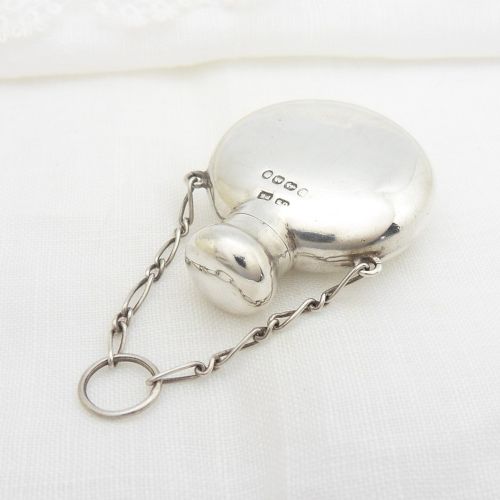
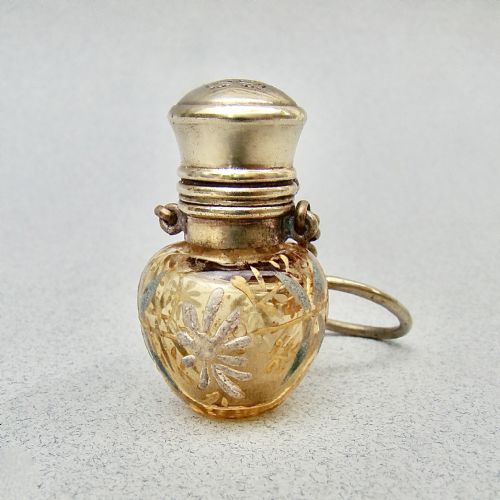
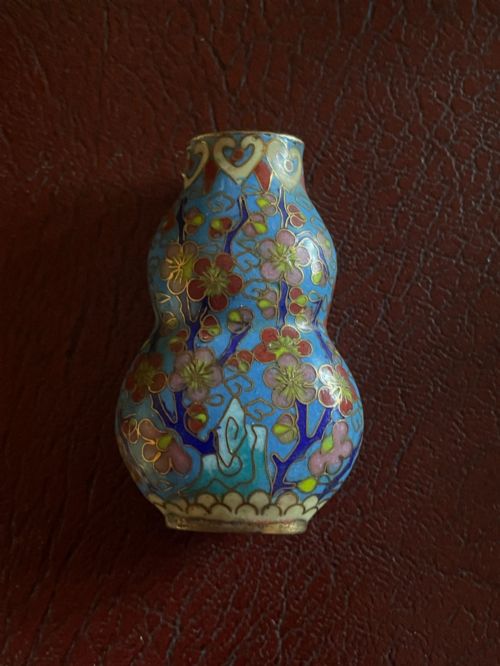
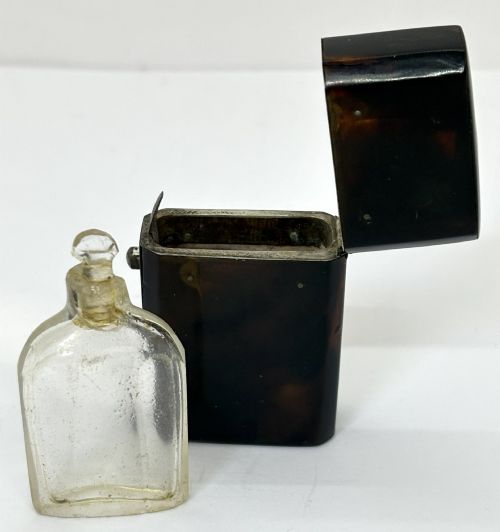
The antique miniature bottle category encompasses a diverse array of small vessels designed for specific historical functions, ranging from personal scent flasks and snuff containers to decorative vases and novelty items. Buyers encountering this selection will frequently find glass scent bottles, ceramic vases, and carved snuff vessels spanning the nineteenth century.
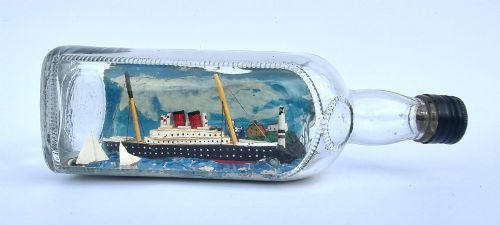
Domestic and international origins shape the forms available here, including English silver flasks, French chatelaine pieces, and Chinese carved snuff bottles. Maritime folk art also appears through detailed model ships housed entirely within glass bottles.
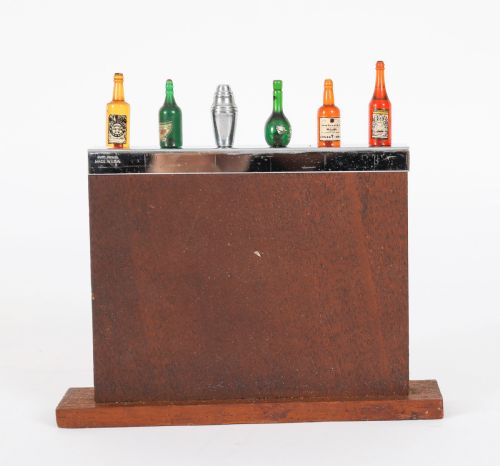
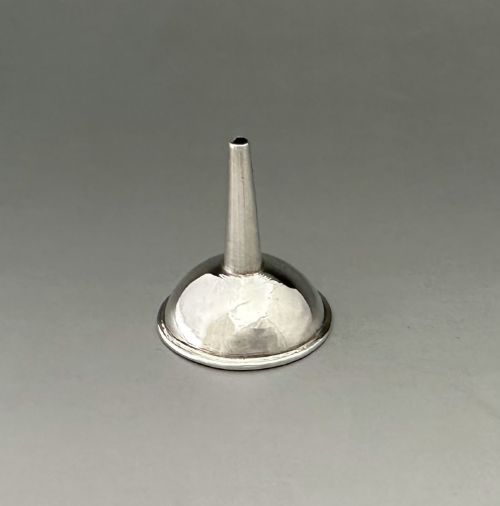
Functional items such as perfume funnels, bar cocktail stick sets, and campaign apothecary boxes occasionally accompany the primary vessel types. These domestic accessories share the same diminutive scale and period craftsmanship as the standalone bottles.
How they were made
Makers utilised a range of traditional media including glass, porcelain, enamel, wood, silver, and gold leaf. Glass vessels frequently feature cut or overlay techniques, while porcelain pieces display hand-painted imari or enamel decoration.
Carving and metalwork define the construction of solid media, seen in jade, hard stone, coral, and tortoiseshell snuff bottles alongside chased Dutch silver scent flasks. Artisans also combined materials, fitting stoppers of gilt metal and hard stone to glass or ceramic bodies.
Antique Miniature Bottle Retail Price Guide 2026
Typical asking prices for miniature bottle among the pieces listed under this phrase on Sellingantiques today, from the lower quarter to the upper quarter. They describe what is for sale here now, not the wider market.
Nineteenth-century production dominates the selection, accompanied by Georgian and twentieth-century examples.
What varies in quality
Execution of detail separates standard production items from superior examples, particularly in hand-painted ceramic scenes, intricate glass overlay cutting, and the precision of carved hard stone or organic materials like ivory and wood.
The integrity of original fittings, stoppers, and associated hardware dictates the standing of a piece within its type. Complete sets, original corks, and fully intact metal mounts carry distinct advantages over altered or incomplete specimens.
Saunders And Shepherd·Stevenson And Hancock·Choshuzan·Jissei·Yoshisada
The Antique Miniature Bottle Glossary
- Chatelaine scent bottle
- A small perfume flask fitted with a chain or hook to suspend from a woman's decorative waist belt. These pieces allowed the wearer to carry fragrance easily during the Victorian period.
- Imari porcelain
- A style of ceramic decoration originating in Japan, characterised by a palette of underglaze blue, iron red, gold, and supplementary colours. Pieces often feature dense floral and panel motifs.
- Old Sheffield plate
- A composite material made by fusing a thin sheet of silver to a copper base, utilised before the invention of electroplating. This technique produces durable domestic items with authentic period warmth.
- P.O.W
- bottle whimsey. A decorative folk art object, often a diorama or carved scene housed inside a glass bottle, traditionally attributed to prisoners of war. These items demonstrate exceptional patience with simple hand tools.
- Guyue Xuan mark
- A specific imperial mark found on certain Chinese enamelled glass and porcelain wares. Its presence indicates high-standard production associated with Qing Dynasty court taste.
Antique Miniature Bottle: Frequently Asked Questions
What were antique miniature bottles used for?
These small vessels served practical everyday functions in personal grooming and domestic life. Scent bottles held perfumes for portable use, while snuff containers stored powdered tobacco during social occasions.
Other examples functioned as decorative cabinet pieces or contained intricate maritime dioramas created as folk art tokens. Their varied uses reflected the distinct social habits of their respective periods.
How do I date an antique glass bottle?
Dating relies on observing manufacturing marks, the style of the cutting, and the characteristics of the glass metal itself. Nineteenth-century examples often exhibit pontil marks on the base where the punty rod was detached.
Mounts, stoppers, and hallmarked silver collars provide further chronological markers. Comparing the decorative motifs to documented regional styles helps narrow the period of production.
What is a prisoner of war bottle whimsey?
A prisoner of war bottle whimsey is a piece of folk art featuring carved wooden items, religious scenes, or ships constructed inside a glass bottle. The maker inserted all the components through the neck using specialised tools.
These pieces date predominantly from the early nineteenth century and represent patient craftsmanship by detained sailors and soldiers. Their survival depends entirely on the stability of the internal wooden or paper structures.
How should I display miniature bottles at home?
Displaying small items requires secure placement within enclosed cabinets or shallow wall shelving where they remain protected from accidental knocks. Adequate lighting highlights the fine details of glass cutting, enamel work, and carved stone.
Keeping them away from direct sunlight preserves organic materials and delicate pigments on porcelain or enamel surfaces. Grouping pieces by material or origin creates a coherent visual collection.