





Antique Military Pottery
Antique military pottery brings home the regiments, officers, and campaigns of the nineteenth and early twentieth centuries in glazed ceramic form.
Antique Military Pottery
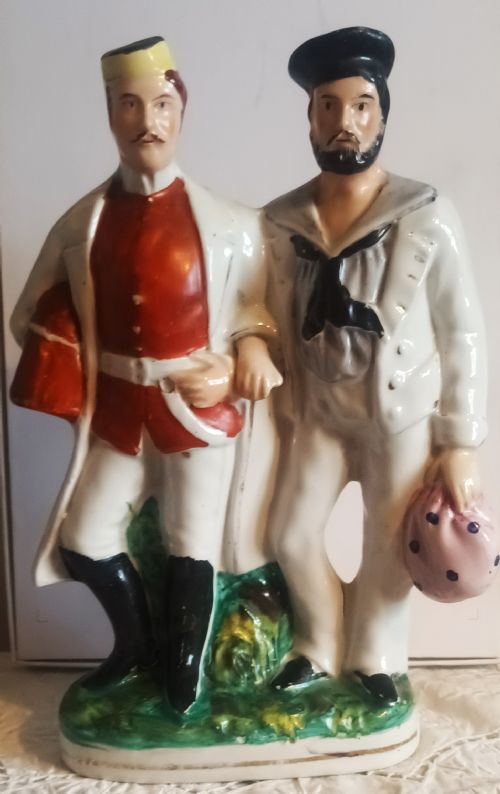
Antique military pottery covers commemorative portrait figures, officers' mess bowls, and character jugs spanning the nineteenth century through the Edwardian period. You will most frequently meet Victorian Staffordshire earthenware figures depicting notable commanders, sailors, and allied leaders from historic conflicts such as the Crimean War.
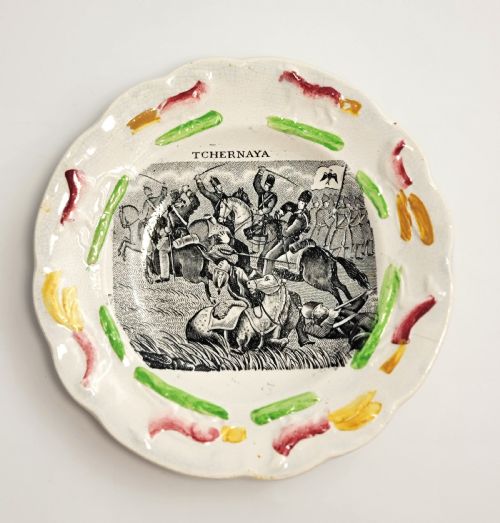
The objects serve as tangible records of patriotism, military triumphs, and international alliances from eras past. Figures range from sizeable portrait pieces of figures like Napoleon III and General Charles George Gordon to commemorative plates marking specific engagements like Tchernaya.
Materials and production methods
Potters shaped these figures and vessels using ceramic earthenware, which provided a stable body for moulding detailed portraits of naval officers, soldiers, and royalty. Artisans then applied lead glaze to seal the porous clay and impart a glossy surface finish.
Makers added enamel paint over and under the glaze to render uniform details, insignia, and facial expressions with colour. Bowls and plates received similar glazed ceramic treatments suitable for functional use in officers' messes or display in domestic parlours.
Antique Military Pottery Retail Price Guide 2026
Typical asking prices for military pottery among the pieces listed under this phrase on Sellingantiques today, from the lower quarter to the upper quarter. They describe what is for sale here now, not the wider market.
Listings feature earthenware materials finished with lead glaze and enamel paint, spanning the Victorian, Georgian, and Edwardian periods.
Distinctions in quality
The richness of the lead glaze and the depth of the earthenware body also set apart standard production items from superior portrait models. Stronger artistic execution in the facial likenesses of military commanders elevates certain figures above mass-produced counterparts.
The Antique Military Pottery Glossary
- Earthenware
- A type of porous pottery fired at relatively low temperatures, widely utilised for nineteenth-century figures and bowls before being glazed.
- Lead glaze
- A shiny glass-like coating containing lead oxide applied to ceramics to waterproof the body and enhance the brightness of underlying enamel colours.
- Enamel paint
- Vitreous coloured pigments applied to the surface of fired and glazed pottery, then fixed with a subsequent low-temperature firing.
- Staffordshire pottery
- Earthenware and porcelain items produced by numerous potteries in the English county of Staffordshire, renowned for figural portraiture.
- Mess bowl
- A utilitarian ceramic vessel used communally by military officers for dining and social gatherings within naval or army quarters.
Antique Military Pottery: Frequently Asked Questions
What periods do these pieces date from?
The items span the nineteenth and early twentieth centuries, with a strong concentration of pieces originating in the Victorian era.
Dates range from the early 1800s through to the First World War period around nineteen fourteen, reflecting nineteenth-century British military history.
How were mess bowls used?
Naval and army officers utilised these ceramic bowls during daily dining and formal gatherings within mess halls.
They functioned as communal tableware for military units, often bearing inscriptions or designs specific to particular regiments or ships.
How do I identify portrait figures?
Makers frequently inscribed the names of generals, admirals, or monarchs directly onto the ceramic bases of the figures.
Clothing details, such as Victorian naval uniforms or campaign dress, help match the pieces to specific historical conflicts and leaders.
How should I care for glazed ceramics?
Keep the pieces out of direct sunlight to prevent the enamel paint colours from fading over time.
Dust the earthenware gently with a soft, dry cloth and avoid using liquid cleaners on antique glazed surfaces.