




Antique Microscope in Box
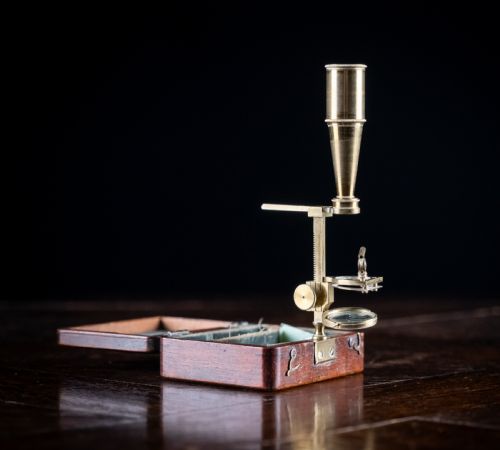
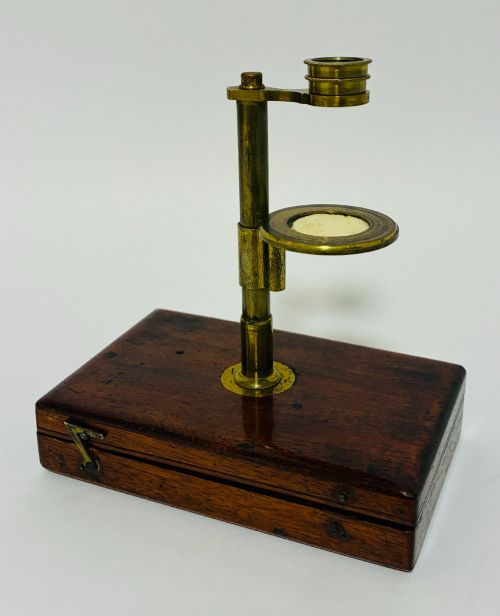
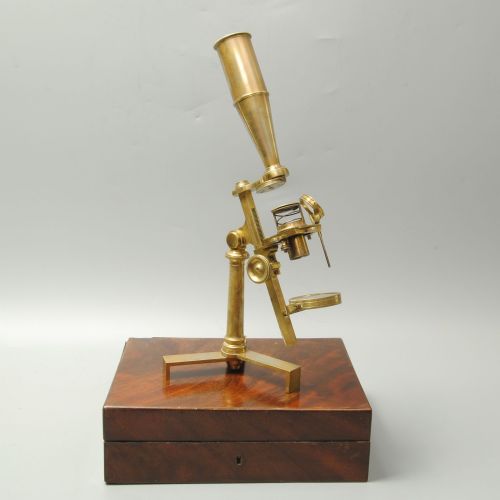
An antique microscope in box brings precision brasswork and fitted mahogany housing straight to the collector's desk.
Antique Microscope in Box
An antique microscope in box represents a blend of scientific utility and fine cabinetry, encompassing brass instruments and fitted wooden cases. Buyers seeking an antique microscope in box typically encounter Victorian and Edwardian examples fashioned for field botany or medical use.
The inventory ranges from pocket-sized brass instruments to large specimen storage units, including botanical field microscopes and drum microscopes. Many items pair the optical instrument with dedicated storage, such as medical carrying chests or multi-drawer slide cabinets.
Origins span the nineteenth century into the early twentieth century, capturing periods from the Regency era through to Edwardian production. Pieces frequently emerge from London makers or regional workshops, housing everything from compact compound lenses to extensive slide collections.
Materials and construction methods
Makers constructed these instruments predominantly from polished brass and glass, paired with sturdy timber cases fashioned from mahogany, walnut, oak, pine, and occasionally steel or iron. Woodwork involved precise joinery to create fitted interiors that secured delicate optical tubes and accessories during transit.
Cabinets utilised multi-drawer configurations to house glass slides safely, relying on dense hardwoods like mahogany and walnut to endure heavy daily handling. Metal components received meticulous finishing, ensuring smooth focusing mechanisms and durable mounts for lenses.
Antique Microscope in Box Retail Price Guide 2026
Typical asking prices for microscope in box among the pieces listed under this phrase on Sellingantiques today, from the lower quarter to the upper quarter. They describe what is for sale here now, not the wider market.
Judging the quality of cased instruments
Quality rests upon the precision of the brass engineering and the integrity of the optical glass, alongside the cabinetmaker's skill in forming fitted housings. Superior examples display refined mechanical action, crisp maker signatures, and robust dovetail joints in the accompanying wooden chests.
The grade of the timber and the complexity of the storage unit significantly alter the character of the piece, moving from simple pine carrying cases to elaborate multi-drawer walnut cabinets. The presence of original accessories, intact slide collections, and well-preserved finishes elevates the standing of the entire ensemble.
Cary·Swift and Son
The Antique Microscope in Box Glossary
- Compound microscope
- An optical instrument utilising multiple lens systems to achieve higher magnification than single-lens models. These instruments offer detailed views of biological specimens.
- Drum microscope
- A compact nineteenth-century design enclosed in a cylindrical body resembling a drum. It rests on a simple base and suits field or desk study.
- Specimen cabinet
- A specialised piece of furniture fitted with shallow drawers designed to organise and protect glass microscope slides. Walnut and mahogany were preferred timbers for these units.
- Botanical field microscope
- A portable optical device intended for outdoor natural history study. These instruments often pack neatly into small wooden carrying chests.
- Pocket microscope
- A diminutive scientific tool engineered for portability. Many historical variants fold or disassemble to fit directly into leather or wooden pocket cases.
Antique Microscope in Box: Frequently Asked Questions
How do I date an old microscope?
Dating relies on examining the optical design, materials, and any engraved signatures left by the maker upon the brass barrel. Stylistic shifts in the wooden storage box also provide clear chronological markers.
Victorian instruments often feature heavier brass castings and polished mahogany cases, while Edwardian models introduced modified framing and alternative finishes. Consulting maker directories helps narrow down the exact decade of manufacture.
What were wooden slide cabinets used for?
These multi-drawer units allowed naturalists and medical practitioners to store hundreds of glass specimen slides safely without risking breakage or dust accumulation. Each shallow drawer kept slides flat and properly indexed for quick retrieval.
Collectors prized cabinets with numerous fitted trays because they maintained an entire research library in one secure piece of furniture. The craftsmanship of the outer case matched the importance of the scientific specimens inside.
Are field microscopes different from laboratory models?
Field models were built for portability, featuring lightweight brass components and sturdy wooden carrying chests designed to withstand travel. Laboratory or desk versions prioritised stability and heavier compound lens arrangements over compact storage.
While field units sacrificed some magnification power for ease of transport, they retained the precise focusing mechanisms of their larger stationary counterparts. Both types relied on natural light gathered through adjustable mirrors.
How should I clean a brass instrument?
Brass components require gentle dusting with a soft, dry cloth to remove surface grime without disturbing historical patina. Abrasive cleaners or metal polishes must be avoided entirely because they strip away original finishes and maker marks.
Wooden boxes benefit from occasional waxing with neutral paste to nourish the timber grain and protect the polished surface. Keeping the instrument in a stable environment prevents moisture from damaging both the glass optics and the wood.