




Antique Metalwork Container
An antique metalwork container holds small treasures, sacred relics, or hearth fuel, bringing tactile weight and history into a room.
Antique Metalwork Container
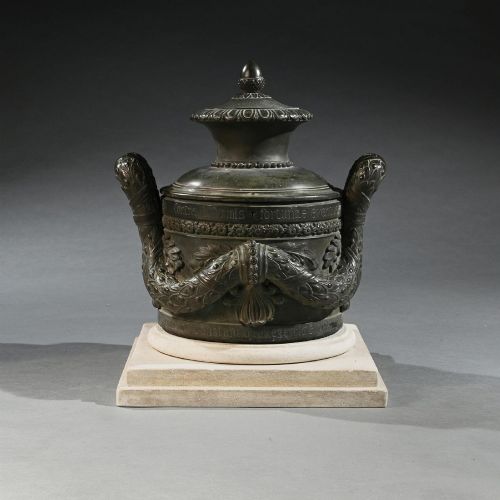
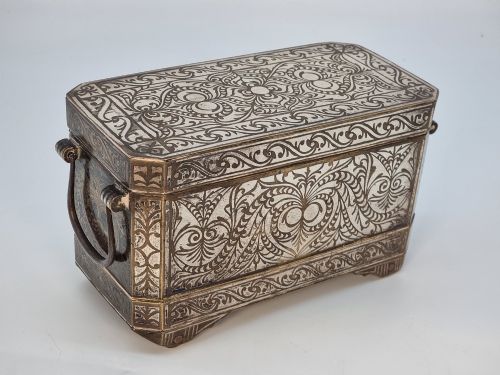
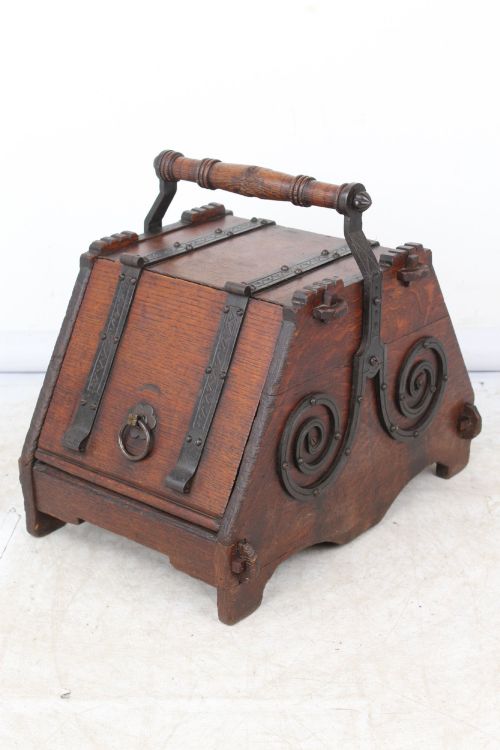
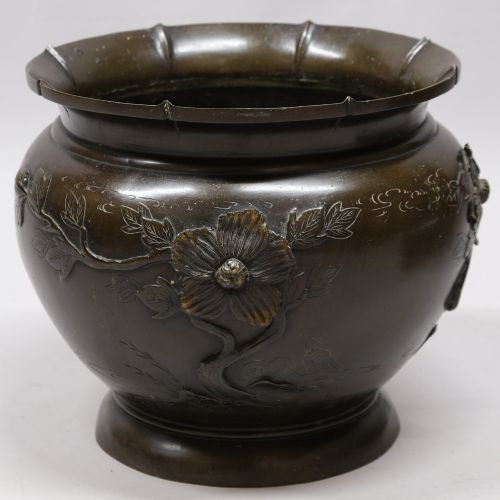
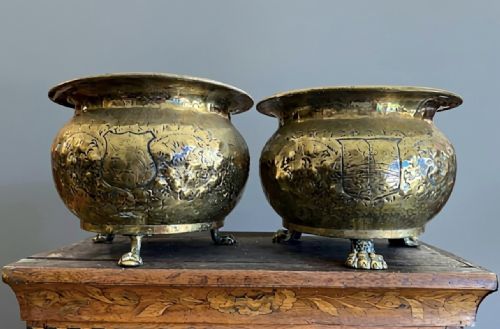
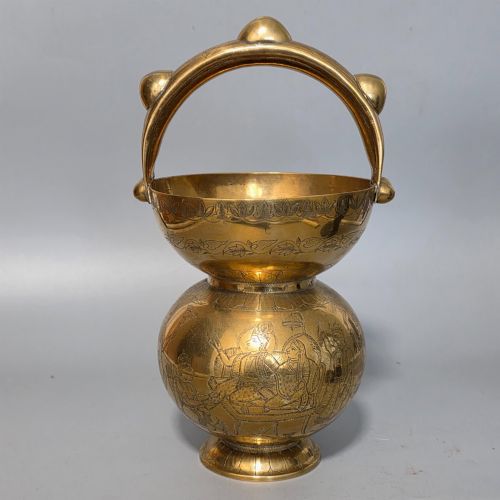
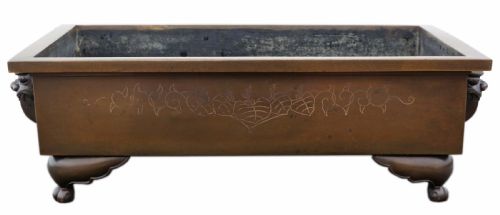
An antique metalwork container encompasses utilitarian vessels like coal scuttles and planters alongside intimate receptacles such as pyx boxes, betal boxes, and portable shrines. The selection spans domestic utility and ritual purpose, reflecting centuries of metalworking traditions across Europe, Asia, and Africa.
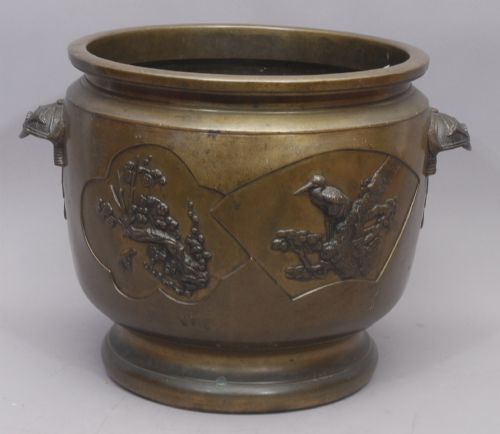
The domestic pieces most commonly met on this page include nineteenth-century brass jardinieres, copper coal scuttles, and decorative boxes. These household items sit alongside more specialised liturgical vessels and regional metalwork from British, continental, and Eastern workshops.
How they were made
The pieces rely primarily on copper, brass, and bronze, shaped through casting, hammering, and hand-engraving. Artisans often combined metals in mixed-metal compositions or applied silver-plating and gilding to enrich the surfaces.
Techniques range from the repoussé work on nineteenth-century coal scuttles and planters to the intricate inlay and cloisonne enamel found on Asian boxes and bowls. European ecclesiastical vessels demonstrate earlyFranco-Spanish engraving and gilding traditions on copper.
Antique Metalwork Container Retail Price Guide 2026
Typical asking prices for metalwork container among the pieces listed under this phrase on Sellingantiques today, from the lower quarter to the upper quarter. They describe what is for sale here now, not the wider market.
Geographic origins range from British and Dutch households to Japanese Meiji workshops, Tibetan shrines, and African ceremonial sites.
What varies in quality
Quality reveals itself in the crispness of the chasing, the precision of the mixed-metal inlay, and the structural integrity of the metal body. Pieces with deeply engraved or hand-worked surfaces demonstrate greater artisanal skill than mass-produced domestic wares.
The distinction also lies in the integrity of the original surface finish, whether patinated bronze, fire-gilded copper, or applied silver plating. Superior examples retain their intended decorative harmony without clumsy later repairs obscuring the maker's hand.
Christopher Dresser·FA Barrett·WMF
The Antique Metalwork Container Glossary
- Pyx box
- A small round container traditionally used in ecclesiastical settings to hold the consecrated host. These pieces often feature hinged lids and engraved religious iconography.
- Jardiniere
- An ornamental pot or container designed to hold plants or flowers. In metalwork, these are frequently cast in brass or bronze.
- Ciborium
- A covered receptacle shaped like a chalice, used in churches to store Eucharistic bread. Early examples often display intricate gilding and engraved copper work.
- Cloisonne
- An enamelling technique where metal wire is soldered to a base to create compartments filled with coloured paste and fired. This method decorates various Asian lidded bowls and boxes.
Antique Metalwork Container: Frequently Asked Questions
What is an antique metalwork container used for?
These containers served varied purposes ranging from domestic storage to religious ritual. Household versions held coal, plants, tobacco, or betel nuts, while specialised vessels housed sacred relics or holy water.
Today, they adapt easily to modern interiors as decorative storage on a mantelpiece, desk, or side table. Their durable materials allow them to function practically while displaying historic craftsmanship.
How do I identify the period of a metal container?
Dating relies on combining stylistic clues with the manufacturing technique and the specific metal alloy used. Victorian domestic pieces often show heavy copper or brass construction with utilitarian forms, whereas earlier pieces display distinct regional liturgical or decorative motifs.
Examining the wear patterns, construction methods, and any maker marks helps narrow down the decade or century. Comparing the piece to documented examples from workshops helps confirm its era.
How do I clean antique metalwork?
Cleaning requires a gentle approach to preserve the historic patina that accumulates over decades or centuries. Harsh commercial polishes strip away the aged surface character and can damage delicate engravings or silver plating.
Dusting with a soft dry cloth is usually sufficient for regular maintenance. If deeper cleaning is necessary, consult a professional conservator to avoid altering the metal's finish.
Are these containers durable for daily use?
Most metal containers, particularly those made from solid bronze, brass, or thick copper, possess inherent structural strength. Items like coal scuttles and jardinieres were built for robust everyday tasks in nineteenth-century homes.
More delicate items, such as silver-plated boxes or enamelled bowls, require careful handling to prevent scratching or denting. Matching the container to a suitable spot in the home ensures it remains undamaged.