




Antique Metalwork Box
An antique metalwork box brings utility and enduring craft together, housing keepsakes while showcasing centuries of skilled material manipulation.
Antique Metalwork Box
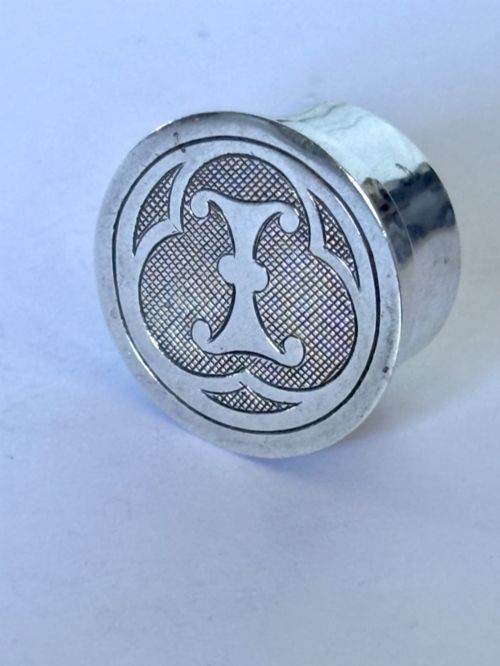
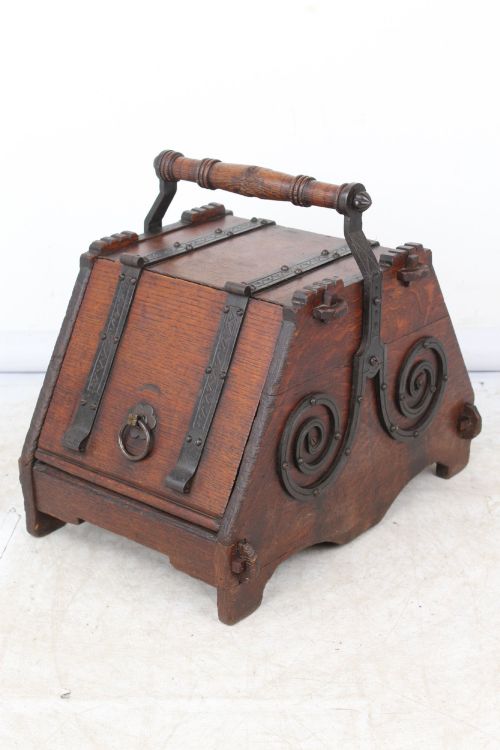
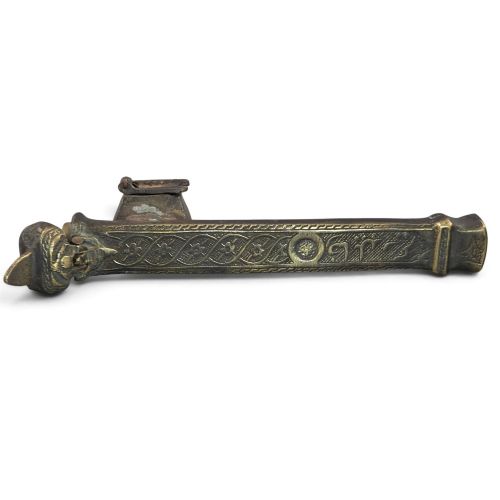
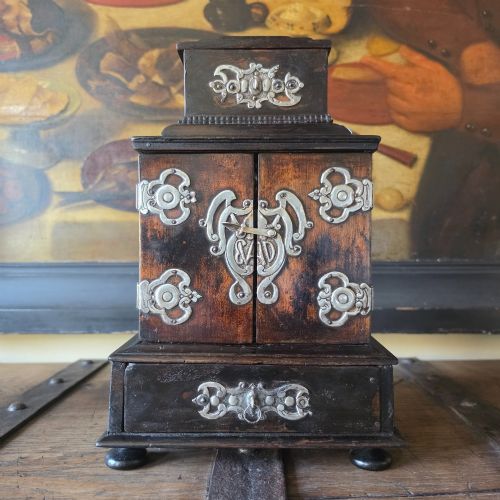
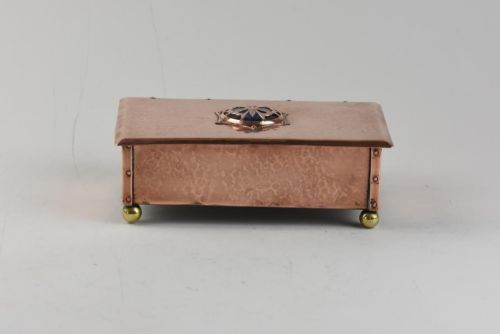
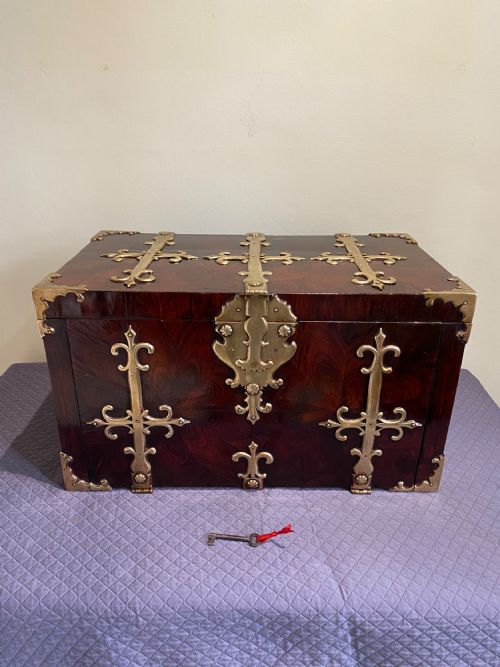
An antique metalwork box encompasses small storage vessels, trinket containers, desk accessories, and caskets formed from durable metallic elements across various global traditions. Buyers seeking an antique metalwork box will encounter items ranging from Victorian desk pieces and Arts and Crafts copper caskets to specialised ritual objects like pyx boxes and portable shrines.
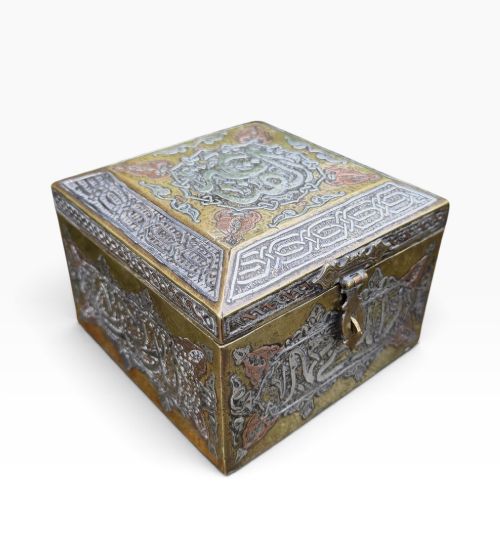
The selection includes regional styles such as Mamluk revival brasswork, 19th-century Indian silver containers, and Tibetan Himalayan prayer boxes. These diverse forms reflect both domestic utility and ceremonial storage needs across the 16th to 20th centuries.
Materials and construction methods
Maker techniques rely heavily on brass, copper, bronze, and silver, shaped through hammering, casting, and repoussé work. Enamel cabochons, gold appliques, and mixed-metal overlays frequently adorn the surfaces to create textural depth.
Engraving and silver plating add intricate detail to foundational base metals, whilst specialised mountings secure decorative elements like cameos and stone insets into the primary structure.
Antique Metalwork Box Retail Price Guide 2026
Typical asking prices for metalwork box among the pieces listed under this phrase on Sellingantiques today, from the lower quarter to the upper quarter. They describe what is for sale here now, not the wider market.
Current listings feature items spanning the 17th Century to 1930, utilising brass, copper, silver, bronze, enamel, gold, and silver plate.
Differentiating quality in metal containers
Quality rests upon the precision of the metalwork, the crispness of chased or engraved details, and the integrity of applied decorative elements like enamel or mixed-metal inlays. Superior examples display harmonious proportions and careful finishing on interior and structural joints.
The sophistication of the design execution, whether following Gothic Revival, Arts and Crafts, or regional international aesthetics, dictates the distinction between standard utilitarian items and masterworks of metal craft.
Christopher Dresser·FA Barrett·W M F
The Antique Metalwork Box Glossary
- Pyx box
- A small round container historically used to hold religious sacraments, often fashioned from engraved copper, silver, or gilt metals.
- Repoussé
- A metalworking technique where the artisan hammers the design from the reverse side to form a raised pattern on the front.
- Cabochon
- A gemstone or piece of enamel polished to a smooth, convex shape rather than faceted, frequently mounted centrally on lids.
- Cloisonne
- An enamelling process where thin metal wires are soldered to a base to create compartments filled with vitreous paste and fired.
Antique Metalwork Box: Frequently Asked Questions
What were antique metal boxes used for?
These vessels served diverse practical purposes ranging from holding jewellery and letters to storing betel nuts, tobacco, and sewing implements. Many smaller examples functioned as personal portable shrines or receptacles for coins and special keepsakes.
Over time, their roles shifted from daily utility items to decorative cabinet pieces and desk accessories used by affluent households.
How do I identify the period of a metal box?
Dating relies on examining the stylistic motifs, such as the distinct naturalistic patterns of the Arts and Crafts movement or the geometric strapwork of Gothic Revival pieces. Hallmarks on silver components and manufacturing methods also provide chronological markers.
Comparative analysis of regional export styles, like Meiji period Japanese bronzes or Mamluk revival brasswork, helps place the object within its specific historical decade.
How do I care for antique metal boxes?
Maintenance requires keeping pieces in stable environments away from high humidity to prevent oxidation and corrosion on vulnerable copper, brass, and silver surfaces. Gentle dusting with a soft cloth preserves the original patina without stripping historical wear.
Aggressive cleaning products should be avoided entirely, as they strip away centuries of accumulated finish and can damage delicate enamel or mixed-metal inlays.
Are these boxes made of solid metal?
Construction varies between solid cast or hammered metals, such as heavy bronze and brass, and base metals that have undergone silver plating or gilding. Some cabinets integrate wooden carcases overlaid with decorative metal plaques or silver sheets.
Examining the interior surfaces and weight distribution typically reveals whether the object is cast throughout or fabricated from sheet metal plates.