



Antique Metalware Decor
These pieces of antique metalware decor range from Georgian copper kettles to Art Nouveau French vessels, offering substance and historical weight to a room.
Antique Metalware Decor
When buyers search for antique metalware decor, they encounter domestic and decorative objects spanning several centuries of metalworking tradition. The selection draws together utilitarian household items and ornamental pieces shaped from brass, copper, bronze, pewter, and paktong.
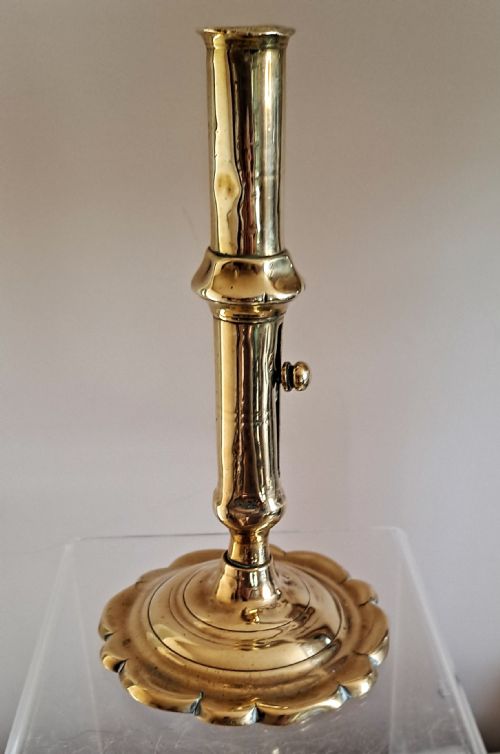
The most common forms on this page include candlesticks, kettles, vases, jugs, and pitchers. These items cross multiple regional styles, taking in Georgian and Victorian English pieces alongside Ottoman, Chinese, and French examples.
How they were made
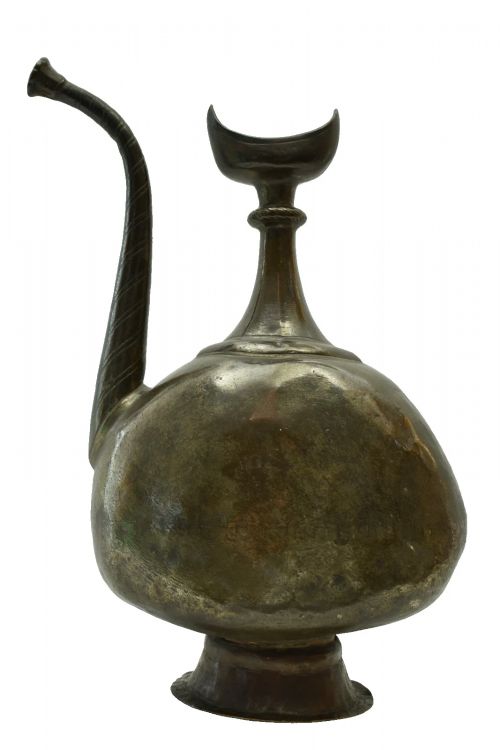
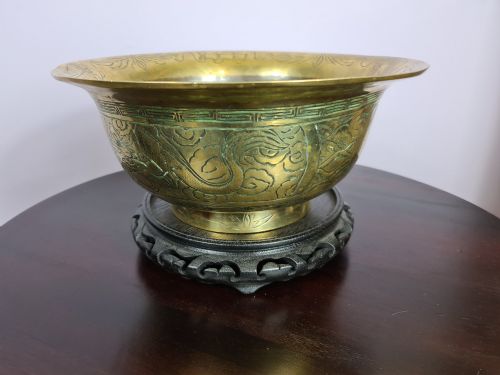
The makers of these pieces relied heavily on copper and brass, shaping them through techniques such as casting and sheet metal manipulation. Heavy vessels like bowls and ewers demonstrate solid bronze and cast brass construction, while kettles and watering cans utilise beaten copper with folded seams.
Pewter and paktong appear in specific forms like candlesticks and vases, showing the range of alloy usage across the eighteenth and nineteenth centuries. Surface finishing often includes hand-beating, turning on a lathe, or detailed chasing, depending on whether the object served a domestic or ornamental function.
Antique Metalware Decor Retail Price Guide 2026
Typical asking prices for metalware decor among the pieces listed under this phrase on Sellingantiques today, from the lower quarter to the upper quarter. They describe what is for sale here now, not the wider market.
A Jersey can sits quietly among the heavy brass bowls, reminding everyone that even milking vessels deserved a touch of elegant proportion.
What varies in quality
Quality in these items is determined by the weight of the metal and the precision of the construction. Heavier gauges of copper and thick-walled brass castings separate substantial, durable pieces from lighter, more utilitarian counterparts.
The refinement of the finishing details, such as clean casting lines, well-fitted lids on kettles, and crisp decorative motifs, distinguishes standard workshop production from finer examples.
The Antique Metalware Decor Glossary
- Paktong
- A copper-nickel-zinc alloy originating from China, highly prized in the eighteenth century for its bright, silver-like appearance.
- Ewer
- A large jug with a wide spout, traditionally used for pouring water, often produced in bronze or brass in Ottoman and European traditions.
- Cloisonne
- An enamel technique where metal wires are soldered to a base to form compartments, seen on oriental vases.
- Repoussé
- A metalworking technique where the artisan hammers the metal from the reverse side to form a raised design on the front.
Antique Metalware Decor: Frequently Asked Questions
How do I clean antique metal?
Most dealers advise leaving a natural patina on older pieces, as aggressive polishing removes evidence of age. Gentle dusting or mild soapy water is usually sufficient for maintenance.
Avoid modern abrasive metal cleaners unless the surface requires stabilization, as excessive shining destroys the historic character of copper and brass.
Are these items safe to use?
While kettles and jugs were originally made for functional use in domestic settings, older metalware often contains lead or other impurities in the solder. It is generally safer to treat them as decorative objects rather than for daily food or drink preparation.
Displaying them as mantelpieces or shelf decor preserves their condition without risking damage to the structure or the interior lining.
How do I date copper kettles?
Dating relies on construction methods, handle attachments, and the shape of the body and lid. Georgian examples often feature dovetailed seams and hand-wrought brass mounts.
Later Victorian and Edwardian pieces show more standardised manufacturing techniques, sometimes incorporating machine-turned bases and riveted fittings.
What is paktong?
Paktong is a traditional Chinese metal alloy composed of copper, nickel, and zinc. It resembles silver and was frequently used for eighteenth-century candlesticks.
Because of its high cost and shipping difficulties, European metalworkers often tried to imitate it with brass before German silver was developed.