

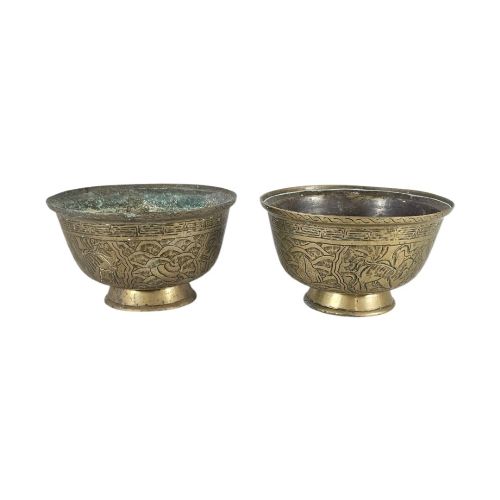
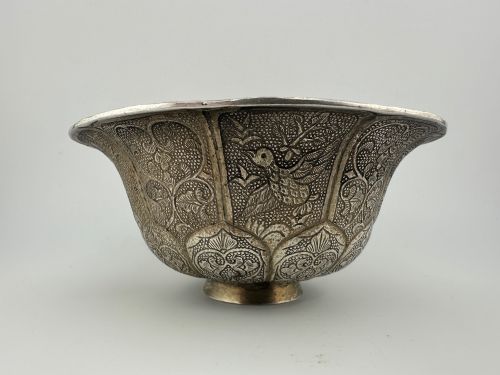
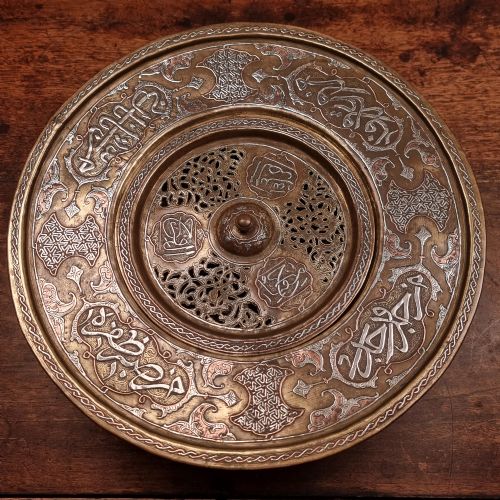
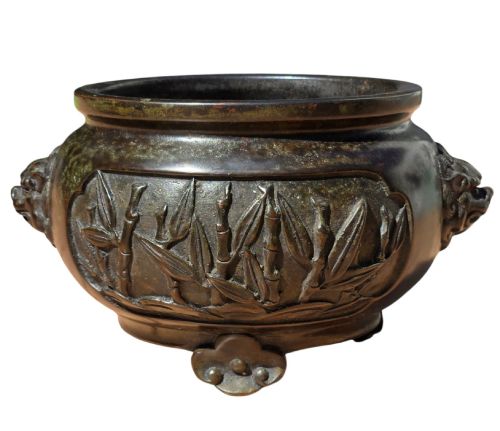




Antique Metalware Bowl
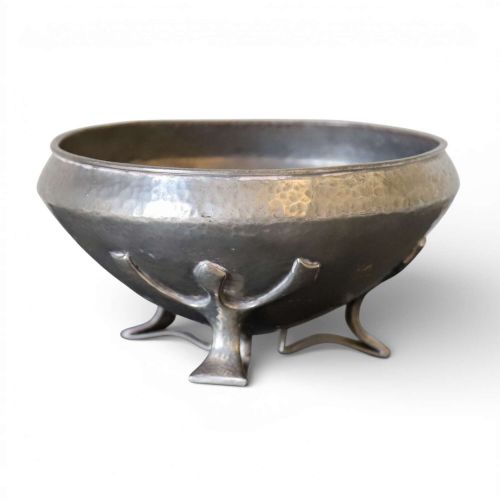
An antique metalware bowl brings solid weight and tactile history to a room, ranging from utilitarian mortars to intricate export vessels.
Antique Metalware Bowl
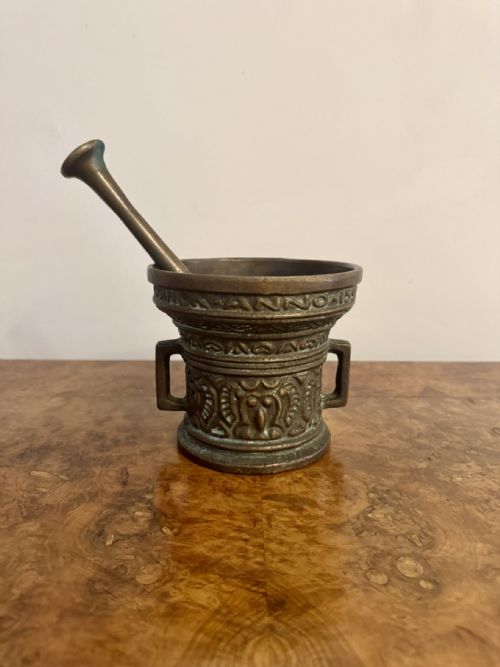
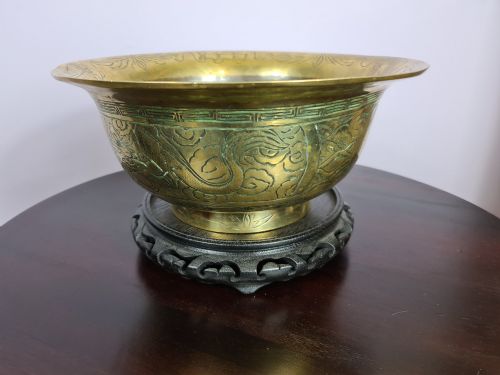
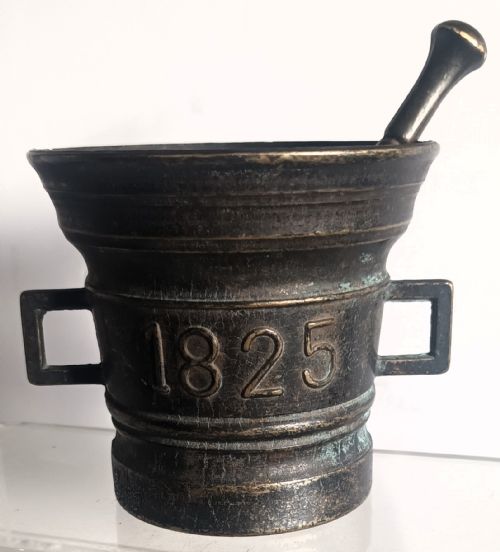
The pieces available trace origins across English, European, Asian, and Middle Eastern workshops spanning multiple centuries. Domestic utilitarian forms, such as kitchen and apothecary mortars, appear alongside grander decorative bowls and table pieces.
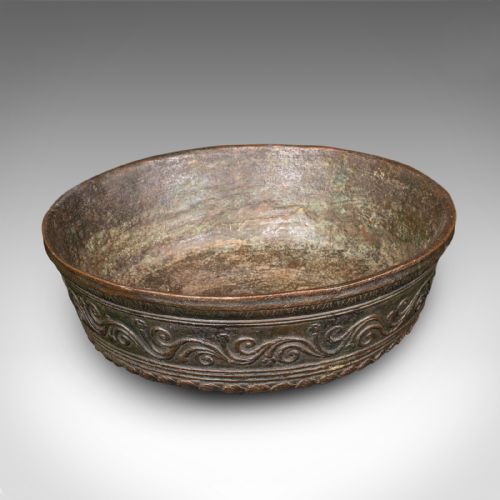
Early periods are represented by robust cast bronze and pewter pieces from the seventeenth century, while later nineteenth-century examples introduce patinated copper, inlaid white metal, and distinctive Arts and Crafts designs.
Assessing quality in metal vessels
Quality rests in the crispness of cast detail, the integrity of the metal wall, and the preservation of original surface patination. Superior examples display deliberate proportion and careful finishing without excessive modern polishing that strips away age.
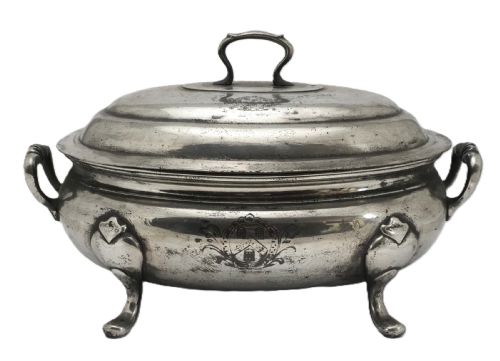
The distinction between standard utility items and finer works often lies in the depth of hand-chasing, the complexity of decorative relief panels, and the presence of authentic maker marks or heraldic engravings.
Antique Metalware Bowl Retail Price Guide 2026
Typical asking prices for metalware bowl among the pieces listed under this phrase on Sellingantiques today, from the lower quarter to the upper quarter. They describe what is for sale here now, not the wider market.
Listings feature metalware forged from bronze, brass, copper, silver, pewter, and white metal across periods from the sixteenth to the twentieth century.
Liberty & Co Tudric·Oliver Baker·WMF
The Antique Metalware Bowl Glossary
- Patina
- The natural surface sheen developed through age, handling, and oxidation. This lustrous skin protects the underlying metal and indicates genuine antiquity.
- Censer
- A vessel designed for burning incense during ritual or scholarly pursuits. These often feature pierced lids and intricate relief panels.
- Mortar and pestle
- A paired set used for grinding substances in apothecary, kitchen, or laboratory settings. They are frequently cast from heavy bronze or brass.
- Cairoware
- Metalware originating from or inspired by Middle Eastern workshop traditions, featuring complex mixed-metal and silver inlays.
- White metal
- An alloy of relatively low-melting-point metals used in decorative export wares and domestic items.
Antique Metalware Bowl: Frequently Asked Questions
Were heavy bronze mortars used for cooking?
Many heavy bronze vessels served practical roles in domestic kitchens and apothecary shops for crushing herbs, spices, and medicines. Their thick walls withstood immense physical pressure.
Over time, utilitarian pieces acquired distinctive interior wear patterns from constant use with a pestle.
How do I identify the period of a bronze bowl?
Dating relies on stylistic clues, casting technology, and any accompanying marks or heraldic engraving. Seventeenth-century pieces often display simple, robust cast forms with Tudor rose motifs or plain rims.
Later nineteenth-century examples frequently incorporate revival styles, machine assistance, or complex surface inlays that reflect global trade influences.
What is the difference between brass and bronze?
Bronze is primarily an alloy of copper and tin, prized for its strength, deep reddish-brown tone, and suitability for casting detailed vessels. Brass combines copper and zinc, yielding a brighter golden appearance.
Both materials were widely utilised across centuries for domestic and ceremonial bowls depending on regional availability and workshop tradition.