



Antique Metal Vane
An antique metal vane is a functional rooftop marker that captures the wind, showing mastery of silhouette and movement.
Antique Metal Vane
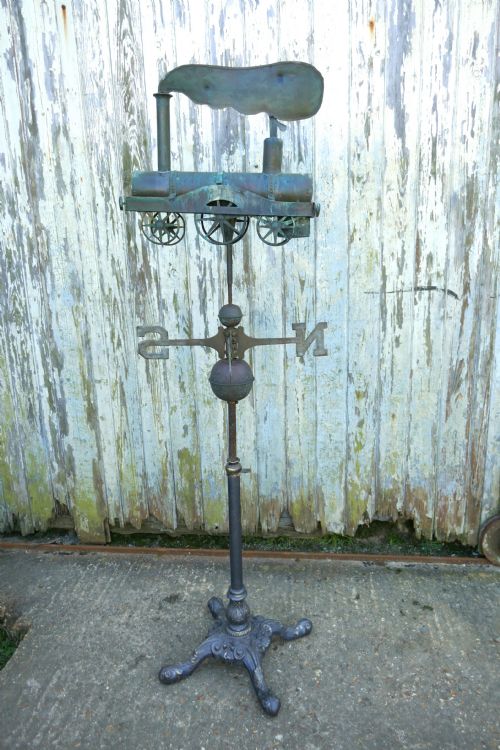
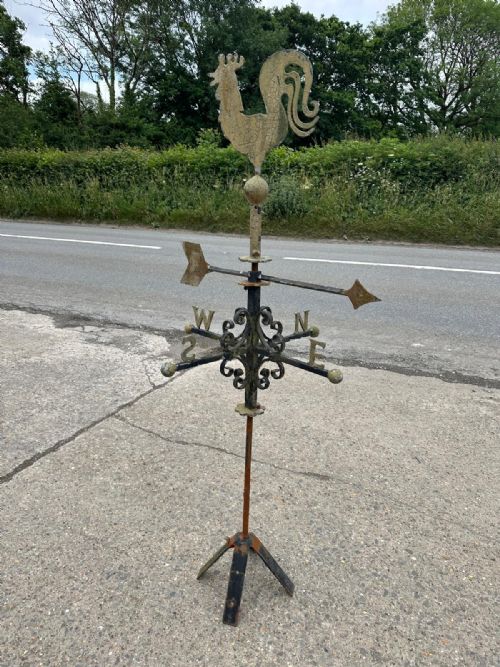
An antique metal vane serves as both a rooftop indicator and a piece of structural sculpture, shaped to catch the breeze. When searching for an antique metal vane, collectors encounter figures ranging from cockerels and galloping horses to huntsman silhouettes.
The pieces appearing on this page span the Georgian, Victorian, and Edwardian eras, extending into the early twentieth century. Animal subjects, particularly cockerels and horses, dominate the forms alongside folk art sculptures and traditional metalwork.
Makers often fashioned these objects from copper, sheet metal, and wrought iron, frequently mounting them on stone or integrating them into wall art. English folk art traditions strongly influence the rustic country aesthetic of these functional roof markers.
Materials and construction
Artisans built these vanes primarily from copper, sheet iron, and wrought iron, hammering and cutting the metal to create recognizable silhouettes. The malleability of copper allowed for hollow-bodied animal figures that could withstand decades of exposure.
Surfaces often retain traces of old paint or weathered patinas developed through exposure to the elements over centuries. Blacksmiths and metalworkers utilised traditional joining techniques to secure directional arrows and mounting rods to the main sculptural body.
Antique Metal Vane Retail Price Guide 2026
Typical asking prices for metal vane among the pieces listed under this phrase on Sellingantiques today, from the lower quarter to the upper quarter. They describe what is for sale here now, not the wider market.
Listings feature copper and iron as primary materials, spanning the Georgian period through the early twentieth century.
Judging quality and character
Quality in these rooftop sculptures lies in the strength of the silhouette and the crispness of the metal cutting. A superior piece presents a balanced, dynamic outline against the sky, such as a galloping horse caught mid-stride.
The survival of original surface treatments, including layered old paint or natural verdigris on copper, elevates the visual depth. Pieces showing deliberate artistry in the folk art tradition outshine simpler, utilitarian markers lacking sculptural expression.
The Antique Metal Vane Glossary
- Cockerel
- A representation of a young male rooster, frequently chosen as the top ornament for rural roof markers. This motif relates closely to traditional agricultural symbolism in English folk art.
- Verdigris
- The green patina that forms naturally on copper and brass surfaces through atmospheric weathering over long periods. Collectors prize this chemical coating for its visual warmth.
- Silhouette
- A two-dimensional outline profile cut from sheet metal, designed to read clearly from a distance. Huntsman figures and running animals rely heavily on this graphic technique.
- Wrought iron
- Iron that has been heated and hammered by hand into shape, notable for its fibrous texture and durability. Blacksmiths utilised this material for robust directional arms and mounting brackets.
- Folk art
- Artistic work created within a community culture, reflecting traditional skills and local styles rather than academic training. These pieces demonstrate unpretentious aesthetic charm.
Antique Metal Vane: Frequently Asked Questions
How were metal vanes mounted?
These markers typically sat atop tall buildings, barns, and stables where uninterrupted airflow could swivel the directional arrow.
A vertical iron rod passed through the centre, secured by brackets that allowed the entire sculpture to pivot freely.
Can I display these indoors?
Many collectors remove these markers from the roof to mount them inside homes as sculptural wall art.
Stands and wall brackets support the weight of the iron and copper figures safely away from the weather.
What causes the green colour on copper?
Exposure to moisture and air over decades creates a stable chemical layer known as verdigris on the metal.
This natural oxidation protects the underlying copper and adds significant character to nineteenth-century examples.
How do I identify a Georgian vane?
Georgian examples often feature hand-cut silhouettes like the huntsman figure, reflecting eighteenth-century artistic conventions.
The fabrication methods show heavy hand-hammering and simpler joint work compared to later Victorian production.