

Antique Metal Tin
An antique metal tin brings functional domestic history into modern rooms through painted surfaces and durable construction.
Antique Metal Tin
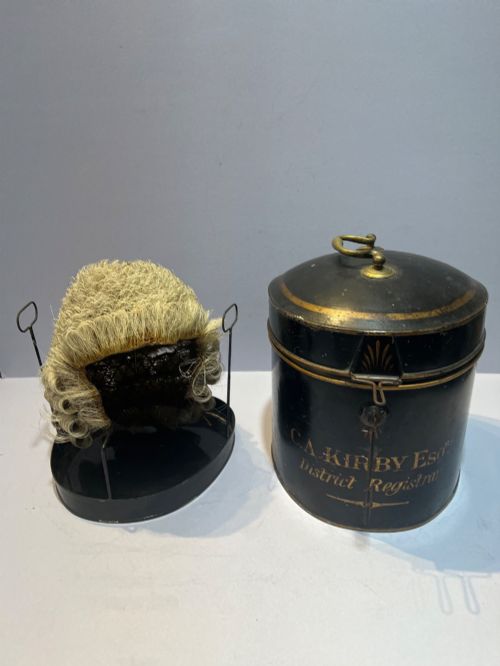
An antique metal tin encompasses functional storage vessels, document boxes, and decorative containers created across the eighteenth, nineteenth, and early twentieth centuries. Buyers searching this phrase encounter items ranging from utilitarian kitchenware and tea canisters to painted toleware boxes and military hat cases.
The selections span Georgian, Victorian, and Edwardian periods, reflecting utilitarian domestic needs and decorative display. Pieces originate from workshops in England, France, and Germany, utilising iron, tinplate, brass, and copper.
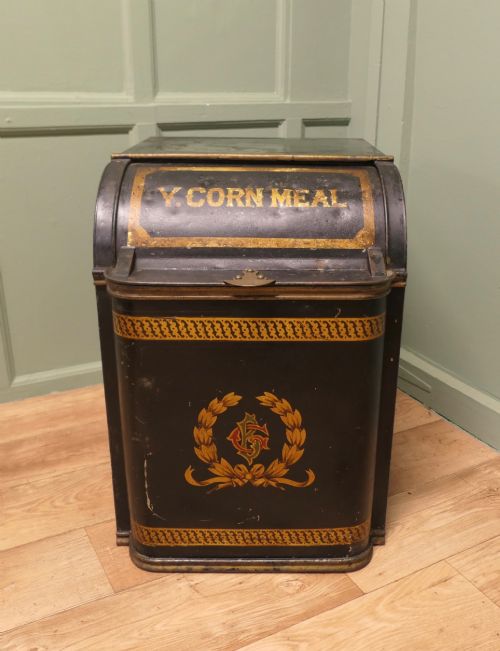
Domestic tea canisters, tobacco jars, and biscuit tins dominate the everyday items, alongside larger storage trunks and specialised legal document boxes. These items reveal period domestic habits, commercial packaging, and household organisation.
How they were made
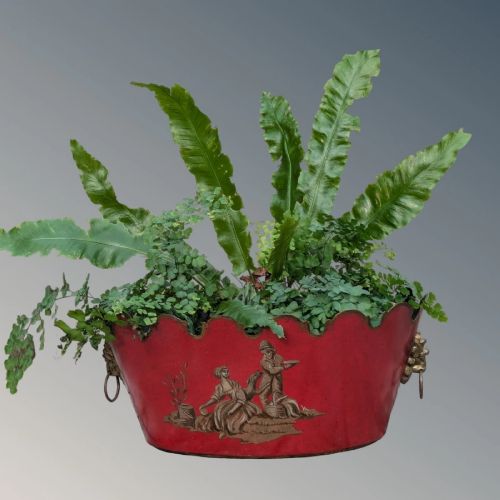
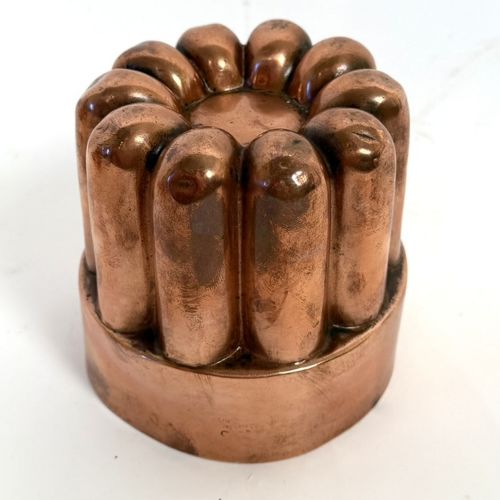
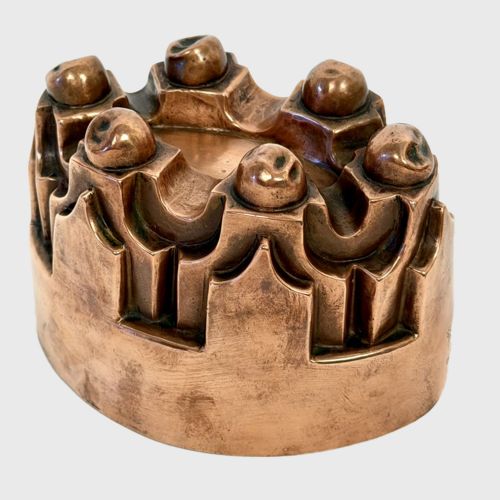
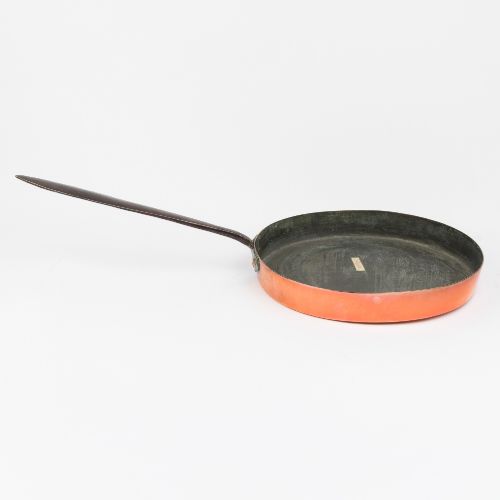
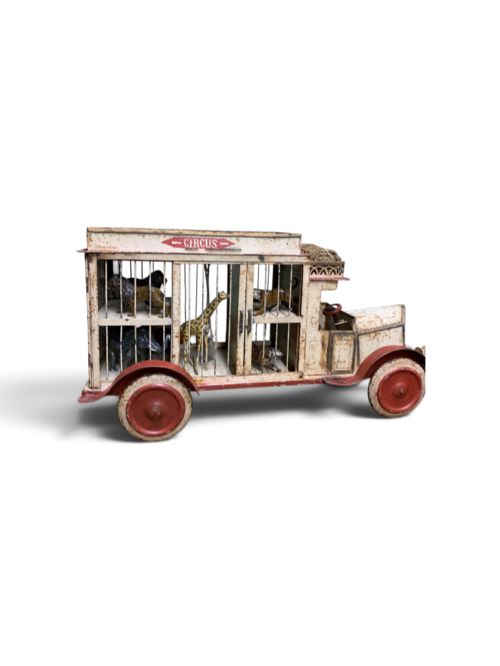
Maker construction relies on shaped sheet metal, iron, and tinplate joined through folded seams, soldering, and hand-beating. Artisans formed copper and brass elements for cookware and tobacco boxes using traditional raising and hammering methods.
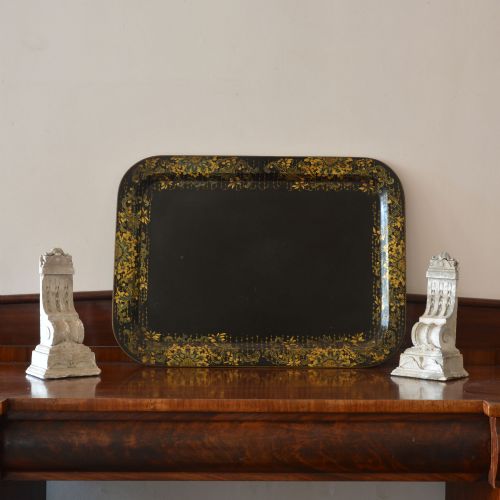
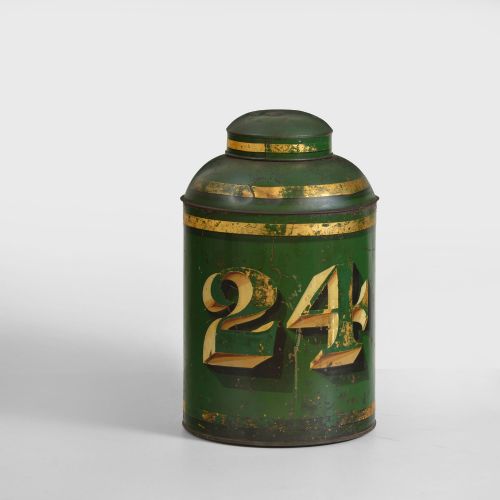
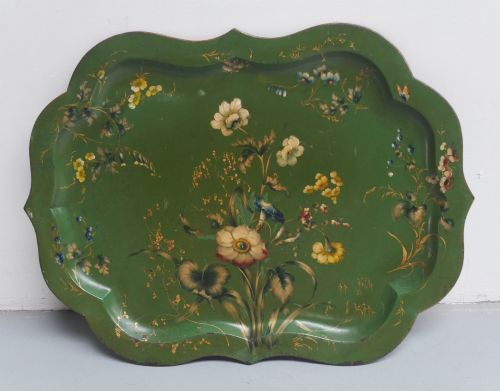
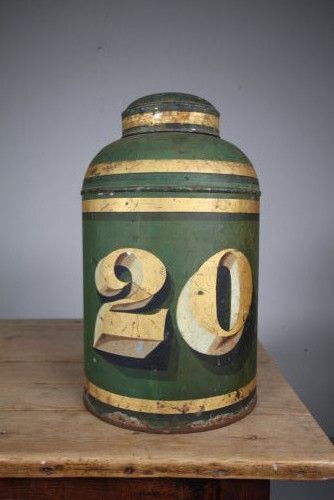
Surface finishes include japanning, hand-painting, and parcel gilding, particularly visible on toleware tea canisters and decorative trays. Toleware items received multiple layers of varnish and pigment to achieve durable, glossy exteriors often mimicking lacquer.
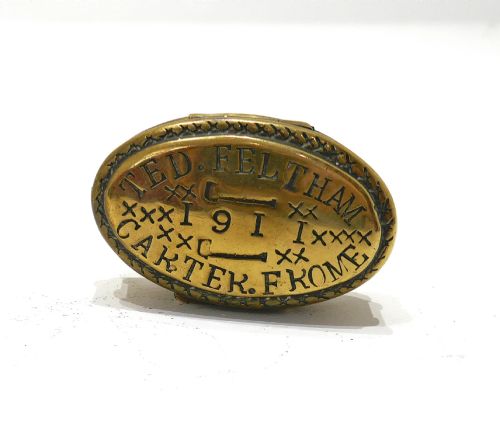
Engraving and stamping decorate smaller personal items such as snuff boxes and presentation tobacco tins. Faux-wood paint effects and scrumbled surfaces appeared on larger trunks and footbaths to simulate premium materials or create textured finishes.
Antique Metal Tin Retail Price Guide 2026
Typical asking prices for metal tin among the pieces listed under this phrase on Sellingantiques today, from the lower quarter to the upper quarter. They describe what is for sale here now, not the wider market.
Listings feature items spanning the 18th, 19th, and early 20th centuries, created in copper, brass, iron, and painted toleware.
What varies in quality
Quality separates through the precision of hand-painted decorative schemes and the integrity of underlying metal construction. Superior items display meticulous brushwork on toleware surfaces and crisp, legible engraving on brass elements.
The thickness of the gauge metal and the durability of soldered joints determine the structural resilience of cookware and storage trunks. Better examples retain original painted finishes with minimal overpainting and stable foundational materials.
Eade and Son·Ravenscroft Law·Huntley and Palmers
The Antique Metal Tin Glossary
- Toleware
- Painted or lacquered tinware produced extensively in Britain and Europe during the eighteenth and nineteenth centuries. This technique applied multiple varnish coats to metal before hand-painting decorative motifs.
- Tinplate
- Sheet iron or steel coated with a thin layer of tin to prevent corrosion. It served as the primary material for domestic storage tins and commercial packaging.
- Japanning
- A European imitation of East Asian lacquerware involving heat-cured resin varnishes applied to metal surfaces. It produced a hard, glossy black or coloured finish on boxes and trays.
- Scrumbling
- A decorative painting technique where a translucent glaze is dragged over a lighter base coat to create a mottled or textured appearance. It frequently appeared on nineteenth-century domestic trunks and footbaths.
- Parcel gilt
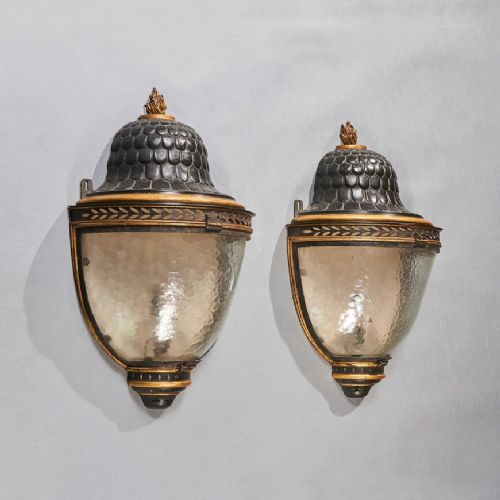
- The practice of gilding only specific portions of an object, such as highlights on metal lanterns or painted decorative panels. This method added contrast against painted backgrounds.
Antique Metal Tin: Frequently Asked Questions
What were antique metal tins used for?
These metal containers served practical daily functions ranging from storing loose tea leaves and tobacco to housing legal documents and military hats. Commercial packaging also utilised decorated tins for biscuits and household provisions.
Larger vessels functioned as domestic utility items including footbaths, hot water cans, and kitchen cookware. Their robust metal construction protected contents from moisture and pests.
How do I clean an antique tin?
Dust surfaces gently with a soft, dry cloth to preserve delicate painted finishes and original surface patinas. Avoid abrasive cleaners, harsh chemicals, and excessive water immersion, which damage historic paint layers.
Unpainted brass or copper elements tolerate mild, dedicated metal cleaners if applied sparingly. Preservation focuses on maintaining the integrity of the historic material rather than achieving a bright shine.
How do I date a toleware tea canister?
Stylistic clues such as Georgian or Victorian decorative motifs, hand-lettered typography, and construction seams indicate the production period. Paint techniques, including japanning styles and colour palettes, shift noticeably between the eighteenth and late nineteenth centuries.
Examining the underlying metal helps distinguish hand-soldered early pieces from later mass-produced alternatives. Maker marks or engraved ownership details sometimes provide definitive chronological markers.
Are antique storage tins airtight?
Historic storage containers generally lack modern rubber seals or airtight locking mechanisms. Lids typically fit with simple slip-on or hinged designs intended for general pantry storage rather than hermetic sealing.
While functional for dry goods in period settings, contemporary use requires caution regarding food preservation. Most collectors display these items as decorative objects or utilise them for non-perishable storage.