



Antique Metal Tier Stand
An antique metal tier stand brings functional multi-level display to rooms and gardens through durable iron, brass, and wirework construction.
Antique Metal Tier Stand
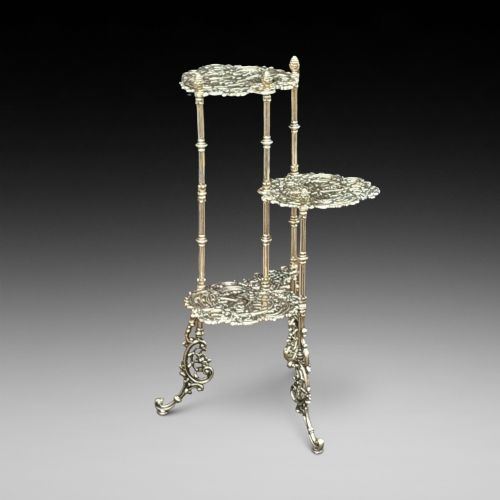
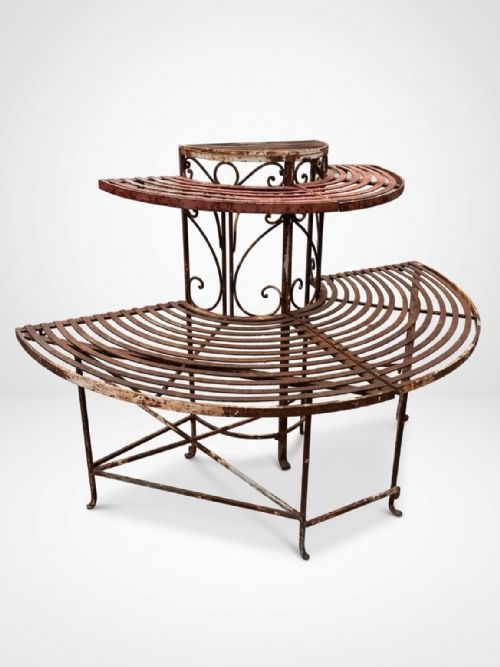
An antique metal tier stand comprises multi-level display structures built from materials like wrought iron, cast iron, and brass. These pieces serve various domestic and garden functions across different periods.
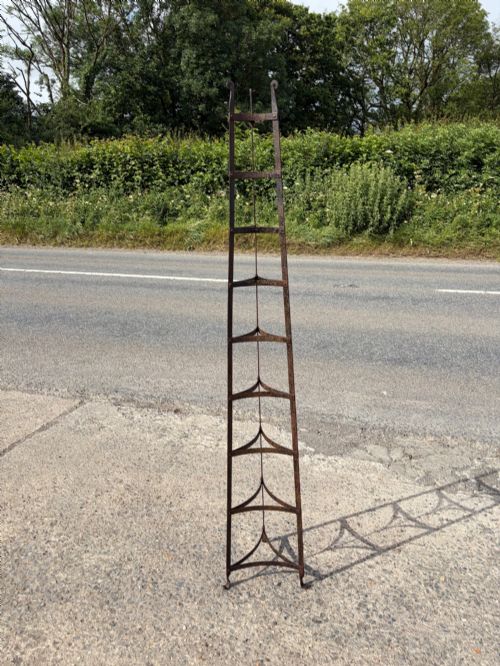
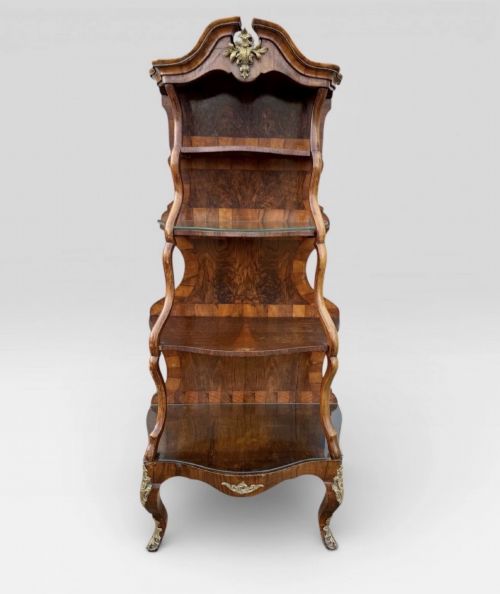
Plant stands and pot stands dominate the offerings, alongside saucepan racks, etageres, and display shelving. Victorian and 19th-century examples appear frequently across the selection.
Forms range from simple three-tier plant stands to complex multi-tiered pot racks and wirework jardiniere units. Materials frequently combine metal frames with wood accents such as walnut or oak.
How they were made
Maker construction relies heavily on wrought iron, cast iron, and brass formed into tiered structures. Riveted joints, painted finishes, and wirework techniques shape the framework of these stands.
Some pieces incorporate secondary materials like walnut, gilt metal, glass, and onyx to add decorative contrast to the metal structure. Paint finishes, often weathered or white, protect and colour the iron surfaces.
Antique Metal Tier Stand Retail Price Guide 2026
Typical asking prices for metal tier stand among the pieces listed under this phrase on Sellingantiques today, from the lower quarter to the upper quarter. They describe what is for sale here now, not the wider market.
Some Victorian plant stands required nine separate tiers to satisfy the era's obsession with crowded indoor ferns.
What varies in quality
Structural complexity separates simpler utility stands from elaborate display furniture. Elaborate castings, fine brass work, and intricate wirework indicate higher production standards.
The integration of decorative elements like marquetry inlay, gilt metal mounts, or mixed materials such as onyx and walnut distinguishes finer etageres and standard lamps from basic pot stands.
The Antique Metal Tier Stand Glossary
- Etagere
- A piece of furniture consisting of a set of open shelves for displaying small objects. These often feature multiple tiers supported by slender columns.
- Jardiniere
- An ornamental pot or stand for holding plants or flowers. Examples in the collection often utilise iron or wirework construction.
- Trivet
- A small support appliance, traditionally used to raise hot vessels off the ground or table. In metal stands, these incorporate brass or iron feet.
- Wirework
- Metalwork formed from intertwined or bent wire. This technique creates lightweight, tiered plant stands and planters.
- Whatnot
- An open set of shelves used for displaying ornaments or books. Nineteenth-century versions frequently combine walnut and gilt metal.
Antique Metal Tier Stand: Frequently Asked Questions
What rooms suit a metal tier stand?
These stands fit well in living rooms, conservatories, and kitchens depending on their original purpose. Plant stands and etageres organise display items in reception spaces.
Pot stands and saucepan racks suit utility areas or large kitchens where vertical storage is useful.
How do I date a metal stand?
Dating relies on observing construction methods, material combinations, and stylistic clues from periods like the Victorian era or Georgian period. Cast iron and wrought iron techniques shifted over the nineteenth century.
Detailed brass work and specific wood veneers such as walnut help narrow down the decade of manufacture.
Can these stands be used outdoors?
Many iron and wirework plant stands were originally designed for garden or conservatory use. Weathered cast iron and painted wrought iron handle sheltered outdoor environments well.
Indoor pieces featuring delicate wood marquetry or onyx components require protection from moisture.
What is the difference between an etagere and a plant stand?
An etagere is typically a refined piece of furniture featuring multiple open shelves for display, often incorporating wood and metal. Plant stands focus specifically on supporting pots and flora.
Plant stands utilise robust iron or wirework frames built to bear the weight of damp soil and earthenware.