





Antique Metal Tea Set
An antique metal tea set brings genuine domestic history to the table, offering tactile pleasure and timeless utility through enduring materials.
Antique Metal Tea Set
When you search for an antique metal tea set, you encounter a remarkably diverse assortment of vessels spanning the nineteenth and twentieth centuries. These service pieces range from complete matched groupings to individual canisters and specialised servers created for the daily ritual of tea.
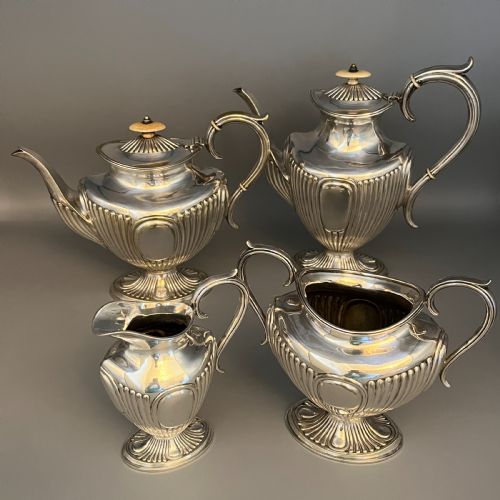
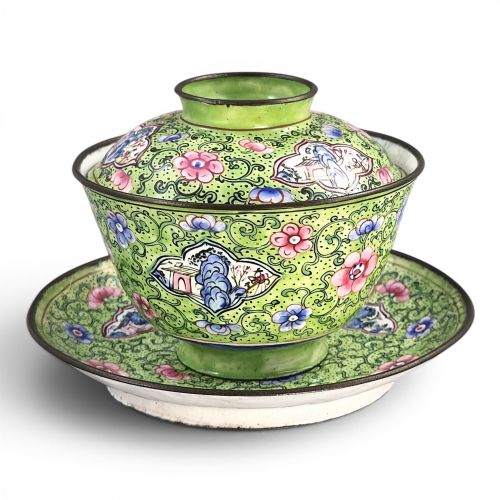
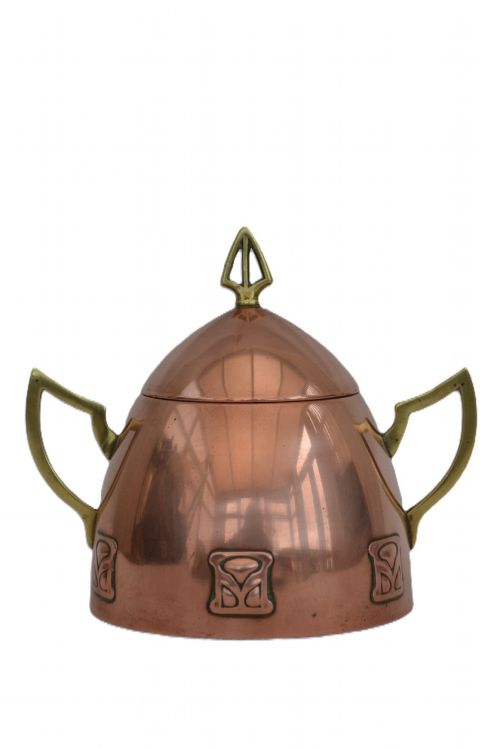
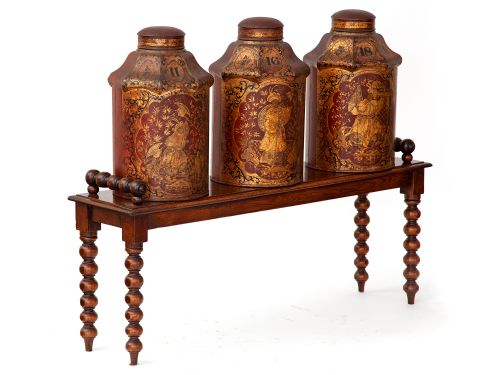
The objects listed here encompass Victorian silver plate, Edwardian services, Art Nouveau copper pieces by makers such as WMF and Tudric, and striking Chinese Canton enamel or cloisonné examples. You are most likely to meet silver-plated four-piece services from the late Victorian or Edwardian eras, alongside decorative toleware canisters and modernist Art Deco designs.
Originating across Britain, Europe, and Asia, these items reflect the shifting tastes of polite society over more than a century. Whether formed from solid silver, plated base metals, or hand-painted tinplate, each set serves as a functional survival of past hospitality.
How they were made
Makers utilised a variety of base metals including copper, brass, steel, tinplate, and toleware, frequently applying silver plating to achieve the rich lustre associated with formal dining. Techniques such as hand-painting, enamelling, and cloisonné added vibrant colour and intricate detail to surfaces, particularly on Asian exports and decorative Victorian canisters.
Stylistic movements dictated manufacturing methods, moving from the elaborate ornamentation of Victorian and William IV Chinoiserie down to the fluid lines of Art Nouveau and the geometric simplicity of Art Deco. Artisans employed stamping, spinning, and soldering to shape the hollowware vessels, fitting them with insulators on handles to manage the heat of the brew.
Antique Metal Tea Set Retail Price Guide 2026
Typical asking prices for metal tea set among the pieces listed under this phrase on Sellingantiques today, from the lower quarter to the upper quarter. They describe what is for sale here now, not the wider market.
Design influences span across European Art Nouveau, Art Deco, and Chinese Qing Dynasty aesthetics.
What varies in quality
The standard of an antique metal tea set depends largely on the weight of the metal and the integrity of its construction. Heavier gauge silver plate and solid copper or pewter indicate substantial craftsmanship that withstands daily handling better than thin, pressed alternatives.
Artistic execution and attribution set the finer examples apart from standard factory output. Pieces bearing clear marks from recognised designers or premier firms display superior chasing, balanced proportions, and carefully preserved enamel or painted decoration.
Walker and Hall·Archibald Knox for Liberty
The Antique Metal Tea Set Glossary
- Silver plate
- A thin layer of silver fused to a base metal such as copper or Britannia metal. This technique provided the opulent appearance of solid silver at a more accessible cost for the growing middle class.
- Toleware
- Metalware, usually tinplate or iron, painted and japanned with decorative lacquers. It gained popularity during the Georgian and Victorian periods for household storage and tea caddies.
- Cloisonné
- An ancient enamelling technique where metal wire is soldered to a metal body to create compartments filled with enamel paste. These pieces are then fired and polished to a smooth finish.
- Gaiwan
- A traditional Chinese lidded bowl used for steeping and drinking tea without a strainer. It represents an ancient form of teaware distinct from Western pot-and-cup services.
- Hollowware
- Table vessels such as teapots, sugar bowls, and cream jugs formed into three-dimensional containers. The term distinguishes these pieces from flatware like knives and spoons.
Antique Metal Tea Set: Frequently Asked Questions
What is included in an antique tea set?
A standard service typically comprises a teapot, a milk or cream jug, and a sugar bowl, occasionally accompanied by a matching tray or hot water kettle.
Larger Victorian configurations often extend to four primary pieces, while related sets might include specialised items like tea canisters or cutlery.
How do I care for antique metal teaware?
Gentle washing in warm soapy water with a soft cloth preserves the finish, avoiding harsh abrasives that can strip silver plating or damage painted surfaces.
Storing pieces in a dry environment prevents moisture damage to sensitive materials like enamel, toleware, and mother-of-pearl handle fittings.
Can I still use these sets for tea?
Many silver-plated and metal services remain entirely functional for serving tea, provided the interior linings are clean and stable.
Enamelled or decorative painted vessels are better suited for display to protect their delicate surfaces from hot liquids and daily wear.
How do I identify the period of a set?
Stylistic indicators provide the clearest guide, as ornate floral chasing points to the Victorian era while clean geometric lines suggest the Art Deco period.
Maker marks, registration numbers, and base stamps help narrow down the decade of manufacture and confirm the workshop of origin.