





Antique Metal Tea Caddy
An antique metal tea caddy brings a solid, tactile weight and enduring decorative presence to any room.
Antique Metal Tea Caddy
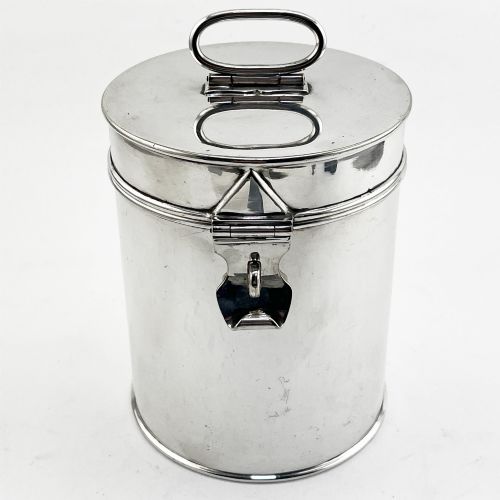
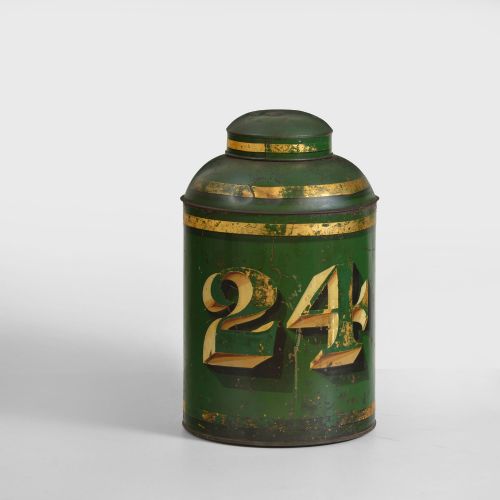
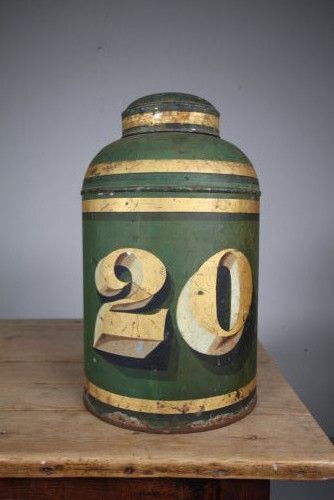
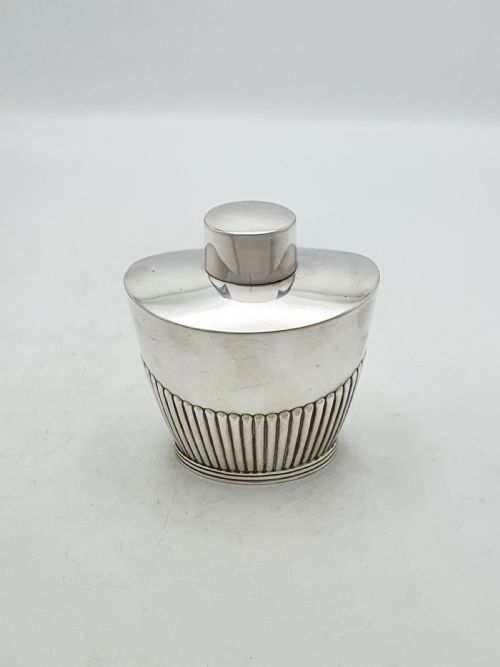
When you search for an antique metal tea caddy, you are looking at functional storage vessels that once guarded precious tea leaves in grand houses. The pieces on this page span several centuries, moving from Georgian silver plate and 18th-century mahogany boxes housing metal canisters to Regency lamps and Victorian toleware.
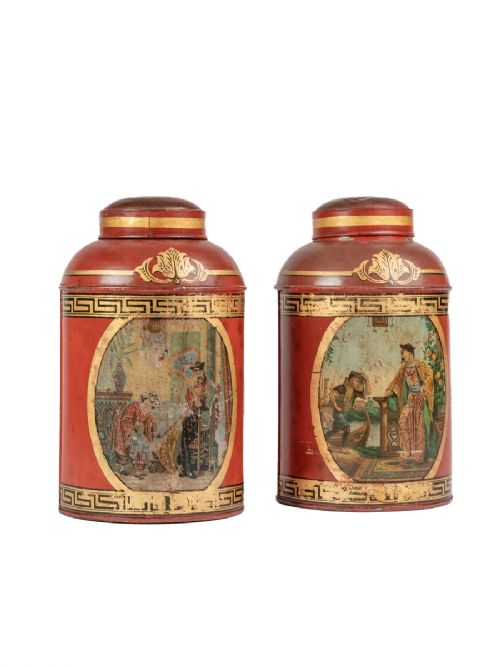
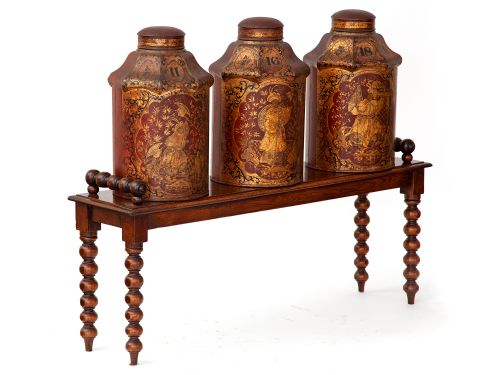
You are most likely to meet painted tinplate and toleware examples from the 19th century, often decorated with Chinoiserie motifs in black and gilt. These range from single large canisters to sets of three, alongside silver plated variants and novelty biscuit tins from the Edwardian era.
How they were made
Makers shaped sheet metals such as tinplate, brass, Britannia metal, and iron into robust containers designed to keep dry leaves fresh. Surfaces received protective and decorative coats of paint, gold leaf, or silver plating, utilising techniques like chiselling and toleware painting.
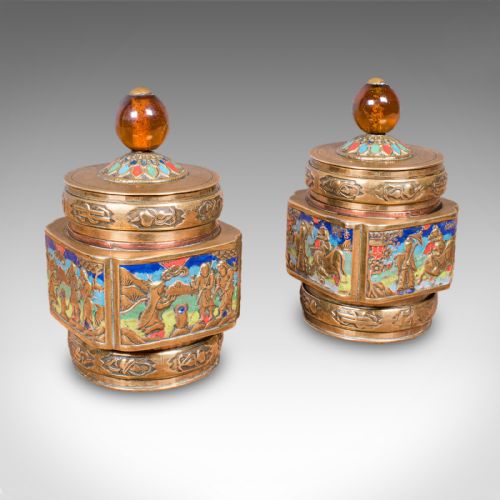
Many items feature hand-painted Chinoiserie scenes, floral patterns, or pagoda designs directly onto the metal or painted wood foundations. Silver-plated pieces relied on durable base metals covered with a thin layer of silver through plating methods of the period.
Antique Metal Tea Caddy Retail Price Guide 2026
Typical asking prices for metal tea caddy among the pieces listed under this phrase on Sellingantiques today, from the lower quarter to the upper quarter. They describe what is for sale here now, not the wider market.
Tea was once so valuable that locking metal caddies ensured domestic staff did not help themselves to the leaves.
What varies in quality
Quality rests in the crispness of the original hand-painted decoration, the integrity of the metal substrate, and the survival of surface details like gold leaf and original black paint. Pieces with intact, unrubbed Chinoiserie scenes stand above those with heavy modern repainting or significant surface wear.
The refinement of the construction also separates standard utilitarian tins from superior decorative objects. Better examples display careful chisel work on brass, well-fitted lids, and harmonious proportions across sets of multiple canisters.
Mappin & Webb·Huntley & Palmers·John Grinsell & Sons
The Antique Metal Tea Caddy Glossary
- Toleware
- Lacquered or enamelled metalware, typically tin or iron, painted with decorative scenes or floral motifs. This technique was widely utilised in the 19th century for domestic storage vessels.
- Chinoiserie
- European artistic style reflecting Chinese motifs and decorative elements, popular on furniture and metal tea canisters. It frequently incorporates figures, pagodas, and landscapes rendered in gilt and black paint.
- Tinplate
- Sheet iron or steel coated with a thin layer of tin to prevent corrosion. It served as the primary material for durable domestic canisters and decorative biscuit tins.
- Silver Plate
- A base metal, such as Britannia metal or copper, coated with a thin layer of silver. This provided the appearance of solid silver at a more accessible cost for Victorian households.
- Old Sheffield Plate
- An early form of plated metal produced by fusing a sheet of silver to a thicker copper ingot. This method created durable tableware and tea caddies before modern electroplating techniques took over.
Antique Metal Tea Caddy: Frequently Asked Questions
What were metal tea caddies used for?
These vessels stored expensive tea leaves safely away from light, moisture, and air in domestic settings. Because tea was a costly commodity, the containers often featured secure lids and sometimes internal compartments.
Over time, many of these durable metal containers transitioned from purely utilitarian pantry items into decorative display pieces for drawing rooms and parlours.
How do I care for antique metal containers?
Keep painted and gilded metal surfaces away from direct sunlight and excessive moisture to protect the original decoration. Dust gently with a dry, soft cloth and avoid modern chemical cleaners that might strip the finish.
Silver-plated versions require occasional, very careful polishing with a specialised non-abrasive cloth to maintain their lustre without wearing through the thin plate.
How can I tell the period of a tole tea caddy?
Examine the style of the painted decoration, the type of metal used, and the construction methods visible around the seams and interior edges. Georgian and Regency pieces often show finer hand-painted Chinoiserie details and heavier bases, while later Victorian and Edwardian examples utilise different manufacturing standards.
Comparing the specific palette, such as maroon China finishes or black and gilt schemes, helps align pieces with documented stylistic eras.
How do I live with antique tea canisters today?
These pieces integrate easily into modern interiors as standalone decorative accents on mantelpieces, bookshelves, or side tables. Sets of canisters look striking grouped together on a surface to add texture and historical character.
Some adapted pieces, such as those converted into table lamps, serve a functional lighting role while retaining their distinct antique metal forms.