





Antique Metal Stool
An antique metal stool brings honest industrial utility or fireside charm into a room, offering robust construction and enduring character.
Antique Metal Stool
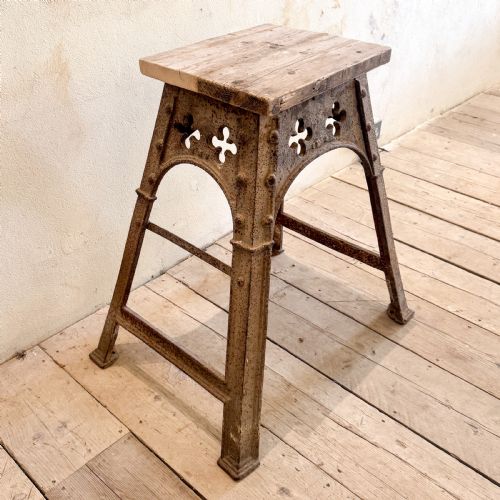
When searching for an antique metal stool, buyers encounter a diverse range of forms spanning from heavy industrial workshop seating to domestic hearth accessories like footmen and music stools. The selections available encompass pieces originating from the Georgian and Victorian eras through to the mid-twentieth century.
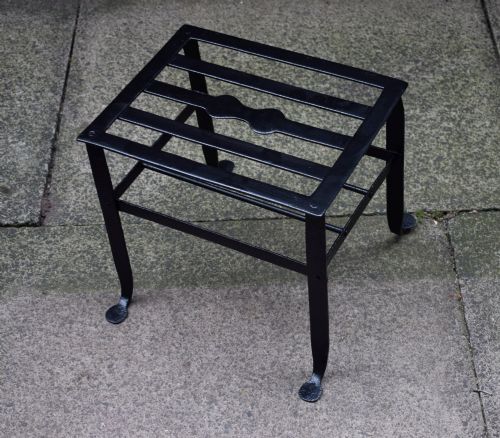
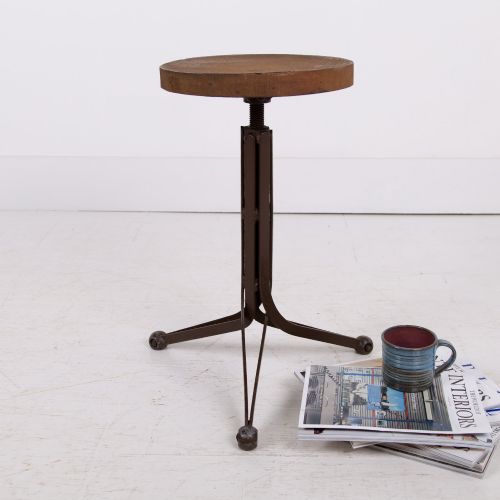
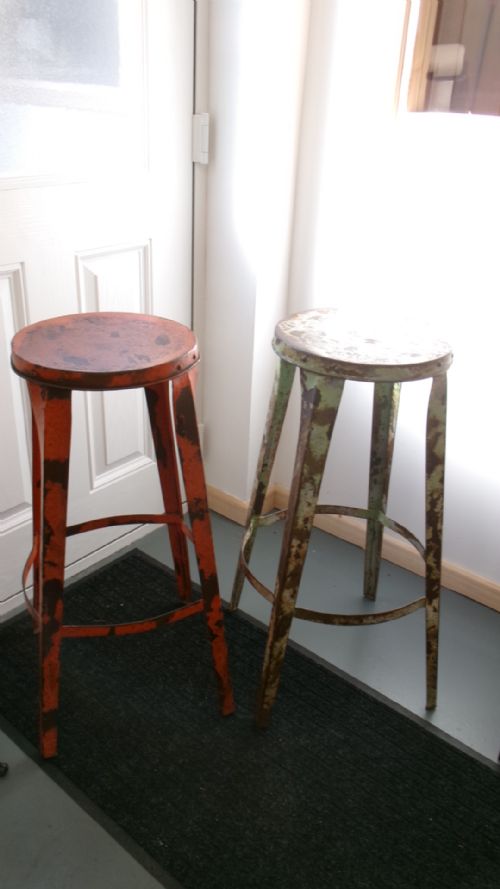
The most common versions met on this page include robust industrial bar stools featuring cast-iron seats and gear cog bases, alongside traditional brass and steel footmen designed for the fireplace. These objects combine utilitarian function with period craftsmanship, utilising durable metals that have acquired a genuine patina over decades of use.
Stools from this category bridge the gap between practical furniture and decorative objects, often incorporating timber elements, leather upholstery, or painted finishes. Their historical context ranges from nineteenth-century workshops to Georgian domestic interiors, providing varied options for contemporary spaces.
Materials and construction methods
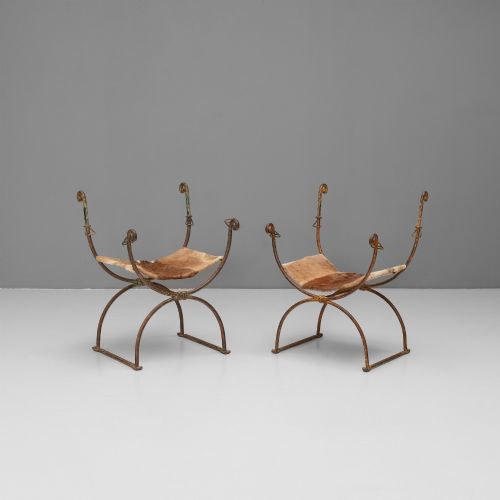
Construction relies heavily on cast iron, wrought iron, steel, and brass, often paired with secondary materials such as timber, walnut, and cowhide to create sturdy frames and comfortable seats. Metal components are frequently riveted or forged, demonstrating the robust engineering required for industrial workshop chairs and heavy bar stools.
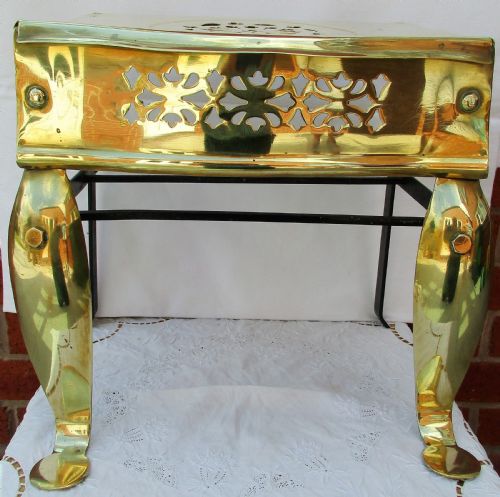
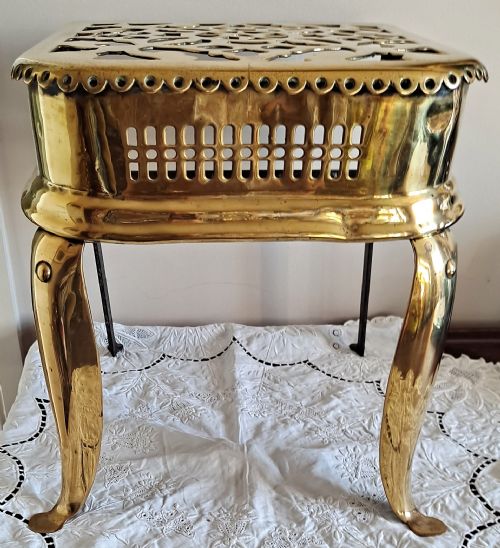
Domestic hearth accessories employ polished brass plates combined with sturdy steel legs, showcasing traditional metalworking techniques of the eighteenth and nineteenth centuries. Revolving mechanisms and adjustable heights on seating pieces demonstrate functional ingenuity alongside solid metallic construction.
Antique Metal Stool Retail Price Guide 2026
Typical asking prices for metal stool among the pieces listed under this phrase on Sellingantiques today, from the lower quarter to the upper quarter. They describe what is for sale here now, not the wider market.
Materials utilised across the pieces include steel, brass, cast iron, wrought iron, timber, walnut, cowhide, and paint.
Assessing quality and character
The degree of original surface preservation, whether painted finishes, polished brass, or weathered steel, plays a significant role in the appeal of a piece. Subtle details such as riveted joints, maker stamps on iron seats, and complementary secondary materials like walnut or tan leather elevate the status of individual items.
Blackstone & Co.·Evertaut
The Antique Metal Stool Glossary
- Footman
- A metal stand placed in front of a fireplace to keep food warm. These domestic accessories are typically constructed from brass and steel.
- Gear cog base
- A mechanical support column utilising cog wheels, commonly found on industrial seating. It allows for height adjustment.
- Revolving stool
- A seat designed with a threaded or mechanical spindle enabling the top to spin. This mechanism provides adjustable seating height.
- Riveted
- Joined together using metal pins hammered flat at the ends. This technique secures heavy industrial metal panels and frames.
Antique Metal Stool: Frequently Asked Questions
What is an antique footman?
A footman is a traditional fireside accessory made from brass and steel, historically used to keep dishes warm near the hearth. They feature sturdy metal legs and a flat top surface.
These pieces reflect domestic life in the eighteenth and nineteenth centuries, often displaying fine metalwork and polished finishes suitable for formal or rustic rooms.
How do I date an industrial stool?
Dating relies on examining construction methods, such as the presence of hand-riveted joints, early cast-iron bases, and mechanical components like screw threads. Materials such as heavy steel and timber indicate the period of manufacture.
Stylistic cues, including the robust engineering associated with nineteenth-century workshops or mid-century industrial design, help narrow down the era.
Can metal stools be used daily?
Most antique metal stools are constructed with robust materials like cast iron, steel, and brass, making them exceptionally sturdy for regular seating at kitchen bars or work desks.
Their durable nature ensures they withstand everyday use while adding a distinct historical aesthetic to modern interior spaces.
How should I clean antique metal?
Maintenance generally involves removing dust with a soft, dry cloth and avoiding harsh chemical polishes that can strip away the authentic patina developed over centuries. Preserving the original surface texture is key to maintaining character.
For brass elements, gentle cleaning agents suitable for historic metals help maintain their appearance without damaging the underlying material.