



Antique Metal Spoon
These antique metal spoon examples span pewter, brass and silver plate from the Georgian, Victorian and mid-century eras, offering practical utility and decorative historical charm.
Antique Metal Spoon
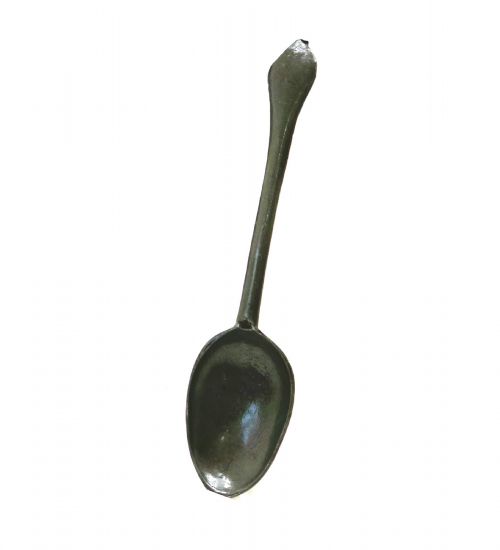
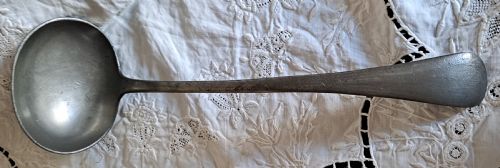
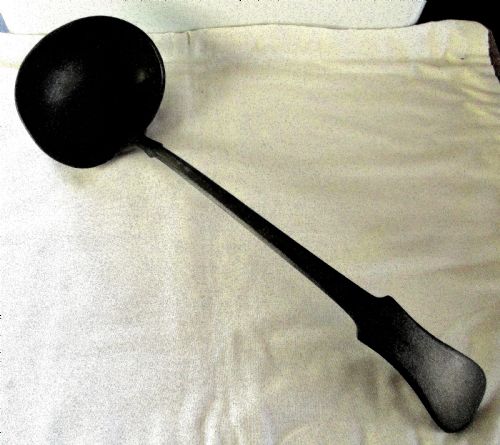
When searching for an antique metal spoon, you encounter a varied selection of culinary and serving implements ranging from early Georgian pewter dog nose single spoons to Victorian basting ladles and brass skimmers. These pieces reflect centuries of domestic kitchen and dining practices across England, Europe, and beyond.
The assortment on this page most frequently presents utilitarian forms such as brass ladles, cream skimmers, and specialised spoon warmers alongside decorative wall racks designed to display them. Materials span traditional pewter and brass to silver plate, gilt metal, copper, and painted wood.
Originating from periods including the eighteenth and nineteenth centuries, alongside mid-century Italian production, these items serve both collectors of early metalware and those seeking functional vintage kitchenalia. Each object carries the physical marks of its original domestic or culinary service.
Materials and construction methods
The pieces on this page are formed primarily from traditional base metals such as pewter, brass, and copper, alongside silver-plated applications and gilt metal finishes. Pewter components rely on tin alloys shaped by casting and hammering, while brass and copper items utilise sheet metal working and hand-beating techniques.
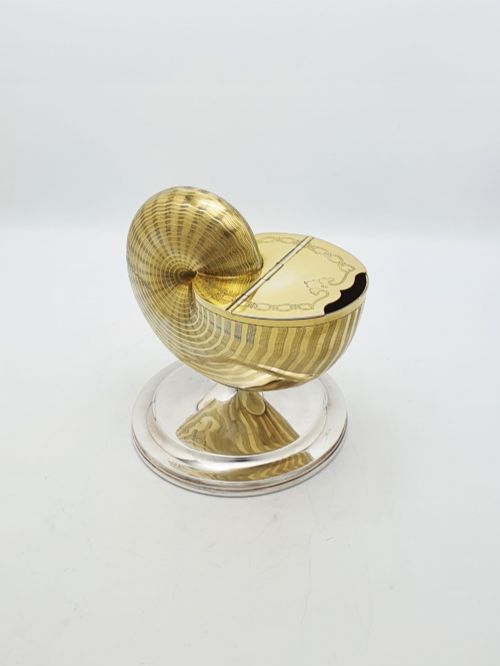
Decoration and assembly involve hand-engraving, soldering, and casting, as seen in complex Victorian novelty forms like marine buoy spoon warmers and shoe spoon warmers. Wooden elements in associated pieces, such as painted spoon racks, involve traditional carpentry and surface decoration.
Antique Metal Spoon Retail Price Guide 2026
Typical asking prices for metal spoon among the pieces listed under this phrase on Sellingantiques today, from the lower quarter to the upper quarter. They describe what is for sale here now, not the wider market.
Object forms documented here include basting ladles, cream skimmers, spoon warmers, and decorative painted wall racks.
Factors of distinction
Quality in these domestic metal items rests upon the crispness of the original casting, the integrity of the metal, and the preservation of maker marks or registration stamps. Pieces bearing clear attribution to known makers display superior definition in handles, bowls, and applied decoration.
The survival of original surfaces, such as untouched pewter patina or unpolished brass warmth, distinguishes pieces that retain historical integrity from those altered by aggressive cleaning. Structural soundness in joints and the absence of heavy repair work further divide standard utilitarian survivors from finer cabinet examples.
John Yates·Dixon & Son·Macabo
The Antique Metal Spoon Glossary
- Dog Nose Spoon
- An early form of spoon characterised by a notched, upturned terminal at the end of a flat stem, popular around the turn of the eighteenth century.
- Basting Ladle
- A large spoon utilised in open-hearth cooking to scoop and pour pan juices over roasting meat.
- Spoon Warmer
- A Victorian vessel, often taking whimsical forms like marine buoys or shoes, filled with hot water to keep dining spoons warm at the table.
- Pewter
- A malleable metal alloy composed primarily of tin, historically used for domestic tableware and serving vessels.
- Skimmer
- A flat, perforated utensil designed for removing foam or fat from the surface of boiling liquids.
Antique Metal Spoon: Frequently Asked Questions
What is an antique metal spoon used for today?
While originally designed for culinary tasks such as basting, skimming, or serving, these pieces now serve primarily as decorative items in country kitchens or as display objects for collectors of early metalware.
Many enthusiasts mount them on traditional wall racks or place them within period dining room settings to showcase their historical craftsmanship.
How do I identify a Georgian pewter spoon?
Georgian pewter items typically display characteristic touchmarks, simpler handle profiles like the dog nose, and a softer grey metallic patina acquired through age and use.
Examining the weight, alloy consistency, and any maker stamps helps differentiate these eighteenth-century examples from later nineteenth-century productions.
What was the purpose of a Victorian spoon warmer?
Victorian dining customs involved keeping table spoons warm in specialised water-filled vessels before serving courses, preventing chilled metal from cooling rich gravies and sauces.
These warmers often took decorative or novelty shapes, ranging from marine buoys to shoes, serving as conversation pieces on the dining sideboard.
How should I clean antique brass and pewter?
Historic metal pieces generally require minimal intervention, as harsh chemical polishes remove the aged patina that collectors value.
Gentle dusting with a soft cloth and occasional light washing with mild soap and warm water preserves the surface integrity and historical character of the metal.