



Antique Metal Seal
These antique metal seal examples are functional desk tools and decorative objects that offer tangible connections to historical correspondence and scholarship.
Antique Metal Seal
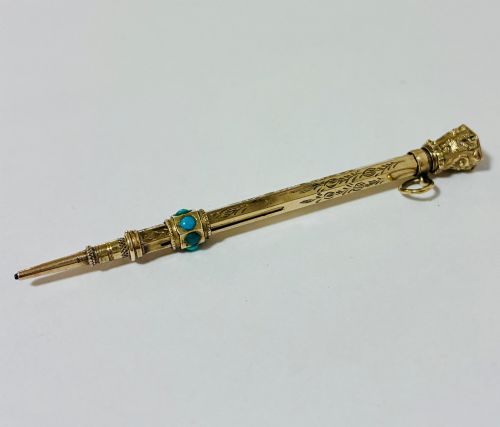
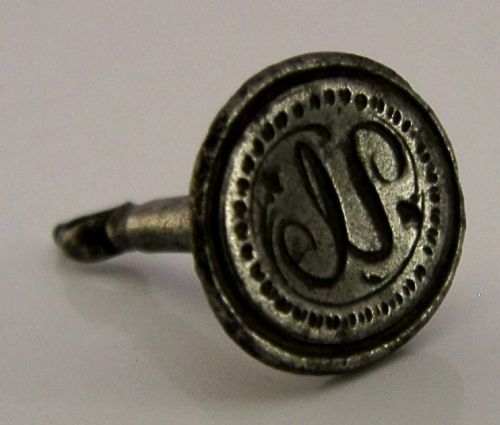
When you search for an antique metal seal, you encounter small hand implements and desktop objects created to impress an emblem into molten wax. These pieces range from Georgian fob seals designed for personal watch chains to desk seals and scholar objects.
The versions most commonly met on this page span Georgian armorial designs, 18th-century steel examples, and cast bronze scholar sets. Certain pieces incorporate cut steel, gilt metal, and carnelian inserts for stamping.
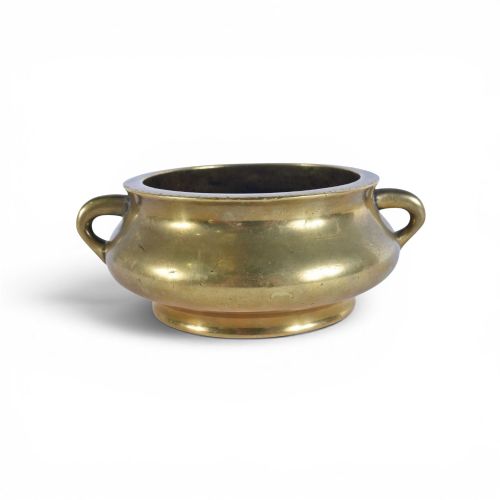
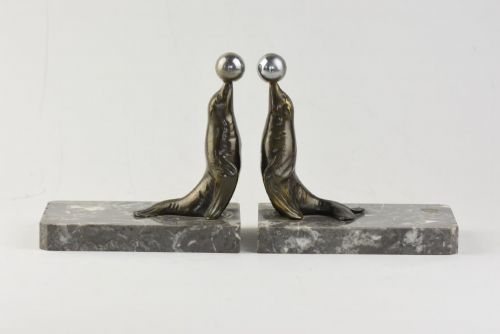
Beyond portable fobs, the category extends to larger desk accessories, bookends, and incense burners bearing reign marks. Each item reflects the domestic or scholarly writing habits of its period.
How they were made
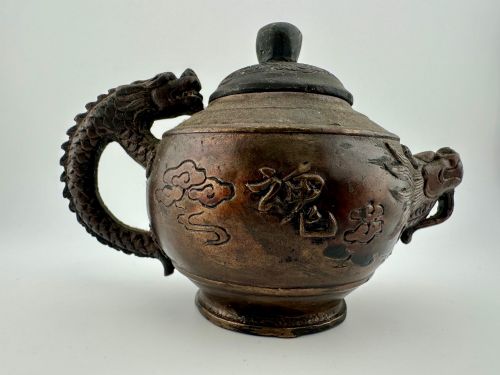
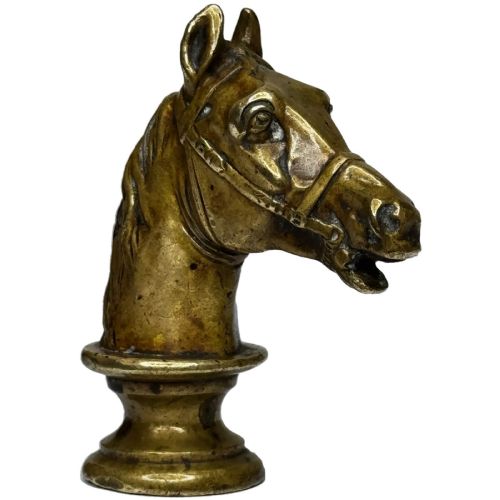
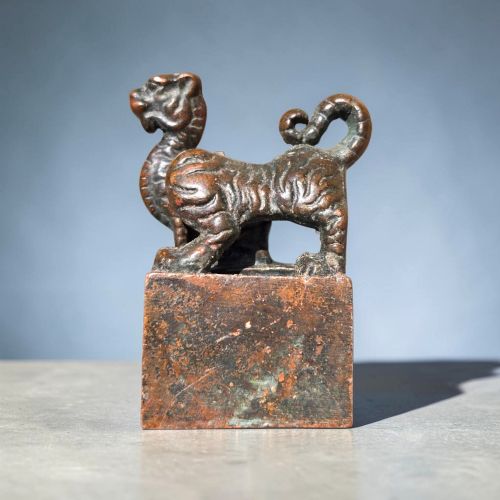
Maker workshops utilised casting methods in bronze, brass, and copper alloy to form the primary bodies of desk seals and scholar objects. Molten metal was poured into moulds to achieve intricate figures such as dragons, qilin, or horse heads.
Surface finish involved hand-finishing, gilding, and precise cutting of steel matrices for stamping. Carnelian and other stones were shaped and polished to fit swivel mounts and pendant fobs.
Antique Metal Seal Retail Price Guide 2026
Typical asking prices for metal seal among the pieces listed under this phrase on Sellingantiques today, from the lower quarter to the upper quarter. They describe what is for sale here now, not the wider market.
Certain bronze seals take the form of mythical qilin beasts standing guard over a nest of smaller scholar seals.
What varies in quality
The distinction between standard examples and superior pieces lies in the crispness of the cast detail and the precision of the engraved matrix. Finer items exhibit sharper armorial details and deeply carved stone seals.
Material selection also defines the tier, with solid gilt metal, high-grade bronze, and polished carnelian elevating the object above simpler brass or base metal alternatives.
C Omin
The Antique Metal Seal Glossary
- Intaglio
- A design incised into a material such as carnelian so that when pressed into wax it creates a raised relief impression. This technique is standard on armorial fob seals.
- Armorial
- Relating to heraldic bearings or coats of arms displayed on seals and signet rings. These devices indicated family lineage and official identity.
- Fob
- A short chain or ribbon attached to a pocket watch, frequently mounted with a swivel seal pendant. They were carried by gentlemen in the Georgian and Victorian eras.
- Qilin
- A mythical hooved Chinese creature often depicted in bronze scholar objects and seals. It signifies good omen and prosperity.
- Matrix
- The face of a seal bearing the reversed design or cipher intended for stamping. The clarity of this surface determines the sharpness of the wax impression.
Antique Metal Seal: Frequently Asked Questions
What is an antique metal seal?
An antique metal seal is a hand-held or desk-mounted instrument cast in bronze, steel, brass, or gilt metal, featuring an engraved matrix for stamping wax.
These pieces were utilised for authenticating letters, documents, and parcels before the widespread adoption of adhesive envelopes.
How were desk seals used?
Users melted sealing wax onto a document and pressed the engraved metal matrix or carnelian face into the warm wax to leave a distinct personal mark.
They sat upon writing desks or hung from watch chains as portable fobs for daily correspondence.
How do I date an antique seal?
Dating relies on stylistic markers, material composition, and any accompanying armorial history or reign marks. Georgian and 18th-century pieces often display specific cutting techniques in steel and distinct neoclassical or heraldic motifs.
Later items from the early 20th century incorporate different casting styles and patinations associated with Art Deco or Eastern export wares.
Can I still use these seals with wax?
Most metal and stone matrices remain structurally sound and capable of making clear impressions in modern sealing wax.
Care should be taken with antique swivel mounts and delicate gilt surfaces during regular handling.