




Antique Metal Scales
These antique metal scales and precision devices represent centuries of functional design, prized by collectors for their honest industrial materials and mechanical integrity.
Antique Metal Scales
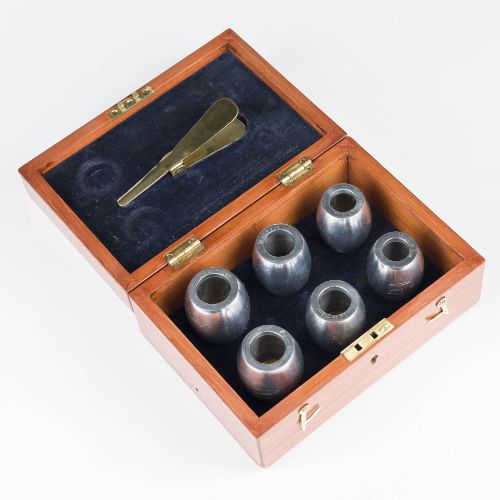
Victorian and Edwardian examples predominate, often constructed with heavy brass beams and iron bases. You also find specialised apparatus such as egg graders and apothecary weight sets in wooden blocks.
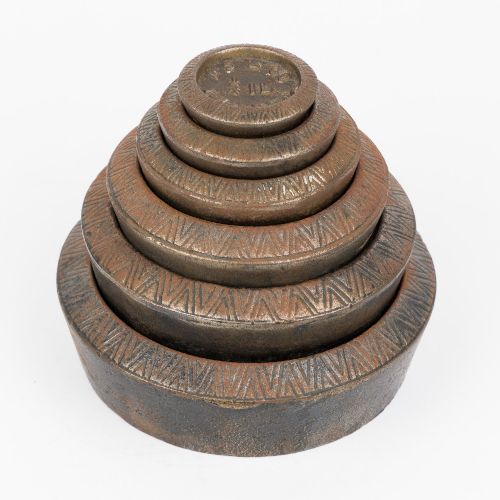
The category extends to associated measuring and weighing objects, including stacking weights and trade standards produced for local authorities. These pieces reflect the strict regulatory requirements of commerce and science from the nineteenth century onward.
How they were made
Maker workshops utilised durable metals like brass, bronze, iron, and copper combined with wooden elements such as oak. Cast iron formed the sturdy bases and frames required to support heavy loads and maintain stable balance points.
Precision components relied on hand finishing and careful calibration, particularly for beam scales and standard weight sets used in trade. Makers inscribed details directly into the metal or housed delicate items in fitted leather cases.
Antique Metal Scales Retail Price Guide 2026
Typical asking prices for metal scales among the pieces listed under this phrase on Sellingantiques today, from the lower quarter to the upper quarter. They describe what is for sale here now, not the wider market.
Listings feature brass, bronze, cast iron, copper, and oak across Victorian, Edwardian, and twentieth-century periods.
What varies in quality
Quality separates standard utilitarian equipment from pieces made for official government standards or institutional use. Maker attribution strongly influences a piece, with firms like De Grave and W&T Avery representing established standards of production.
The preservation of original components, such as complete sets of stacking weights or matched timber blocks, distinguishes superior examples. Surface patination and the clarity of stamped city or borough inscriptions also determine the standing of an instrument.
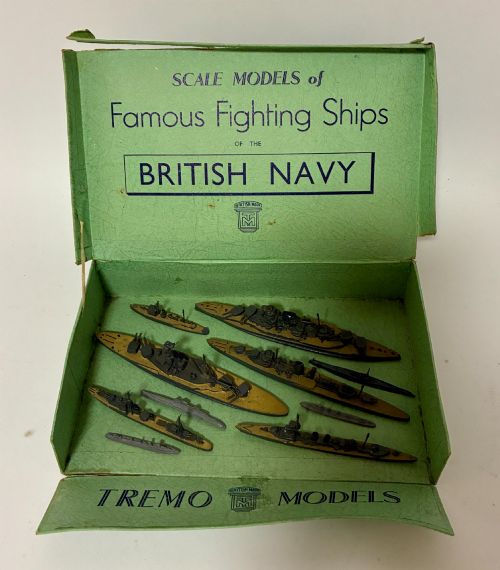
De Grave Short And Co·W And T Avery·Thomas Harris And Son·Meccano·Tremo
The Antique Metal Scales Glossary
- Avoir
- Avoirdupois, the system of weights used for general goods based on the pound and ounce. Standard sets of these weights regulated commercial transactions across British counties and boroughs.
- Beam scale
- A weighing instrument featuring a central pivot and suspended pans at either end. It relies on gravitational equilibrium to measure mass.
- Imperial weights
- Official units of measurement defined by British law. These metal standards ensured uniformity in trade and were often stamped with the jurisdiction they served.
- Opium weights
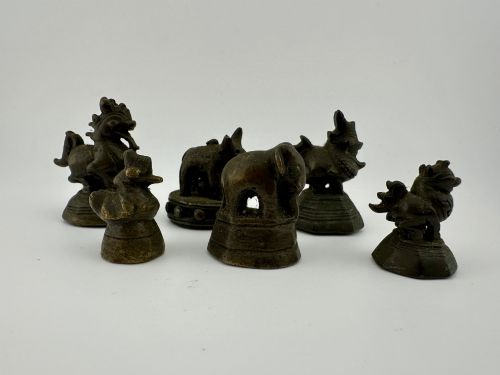
- Small trading weights cast in bronze, frequently shaped as animals. They originated in Southeast Asia and served regional commerce.
Antique Metal Scales: Frequently Asked Questions
What periods do these scales come from?
The available examples span from the eighteenth century through the Victorian and Edwardian eras into the interwar period of the twentieth century. Many pieces date specifically from the nineteenth century when industrial standardisation increased.
Maker names and stamped regional dates often help establish the precise decade of manufacture for official weighing apparatus.
How were brass and iron scales used?
Shopkeepers and merchants used large beam scales for daily commerce and trade. Standard weights verified the mass of goods sold in markets and towns.
Other instruments served scientific or domestic purposes, such as apothecary work, egg grading, and temperature recording during travel.
How do I identify maker marks?
Makers frequently stamped their names directly into the metal beams or cast them into the iron bases of the scales. Names like De Grave or Avery indicate professional workshop production.
Weights and instruments often carry additional stamps denoting the specific city, county, or borough they were manufactured to serve.
Are wooden elements original to the scales?
Many sets of weights include fitted wooden blocks or travel cases designed specifically to hold the metal pieces securely. Oak and other timbers were chosen for their durability in daily commercial use.
Original enclosures feature cutouts matched to the exact dimensions of the corresponding weights or instruments.