
Antique Metal Pot
These heavy, patinated vessels span centuries of utility and display.
Antique Metal Pot
When searching for an antique metal pot, buyers encounter a diverse range of utilitarian and decorative vessels shaped by domestic, ritual and horticultural demands. These objects encompass robust kitchen cookware, garden planters, and ceremonial or scholar's pieces originating from European, Asian and Middle Eastern workshops.
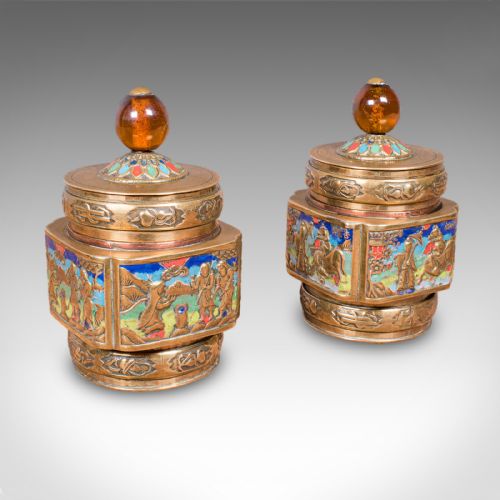
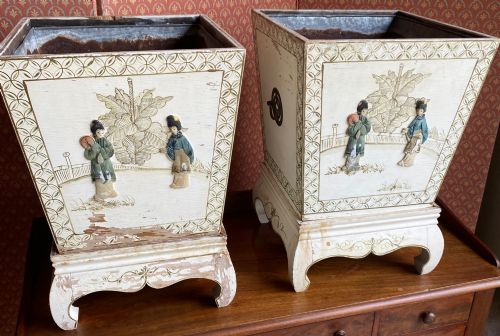
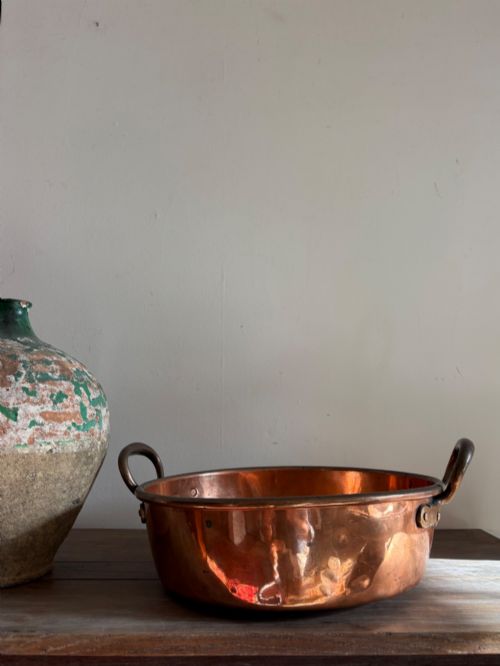
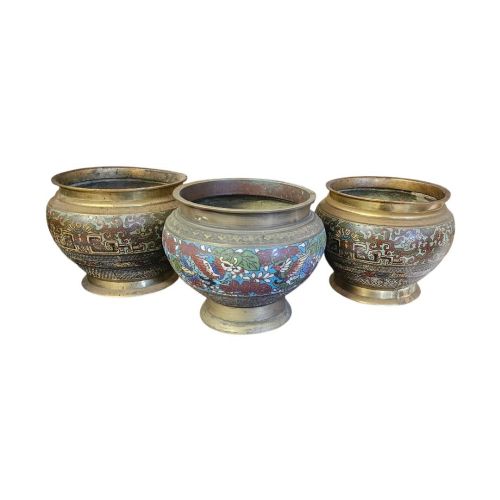
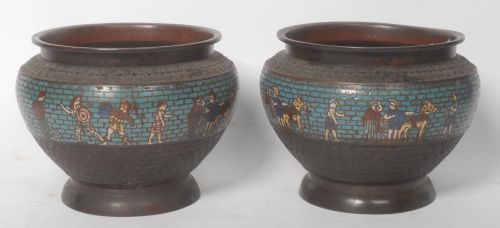
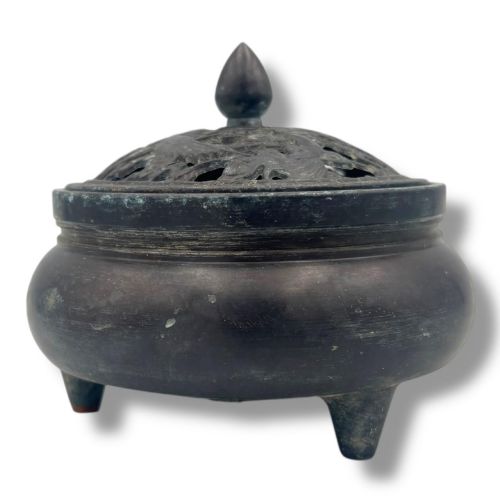
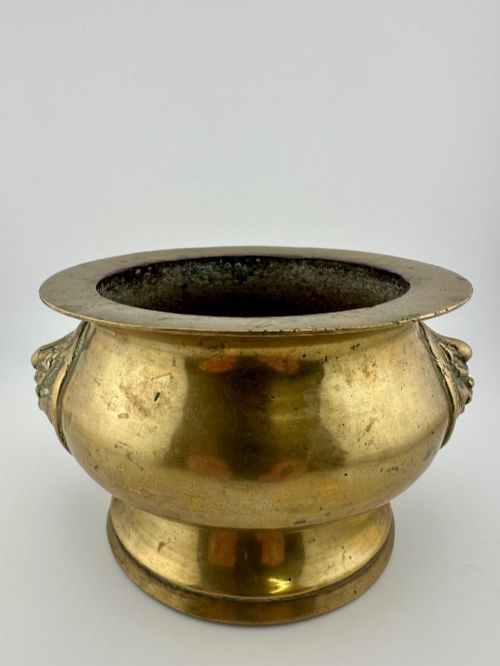
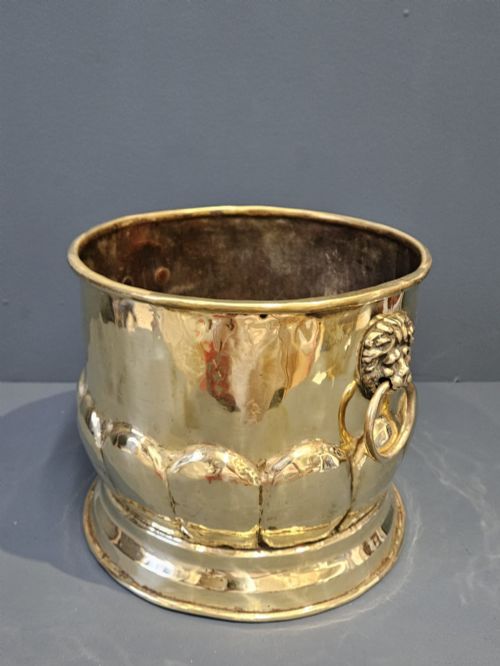
The most frequent examples met on this page are heavy nineteenth-century copper preserving pans and brass jardinières, alongside Chinese bronze censers and cloisonné enamel pieces. Such items bridge the gap between practical domestic utility and decorative interior display, reflecting the evolving tastes of Victorian, Georgian and Edwardian households.
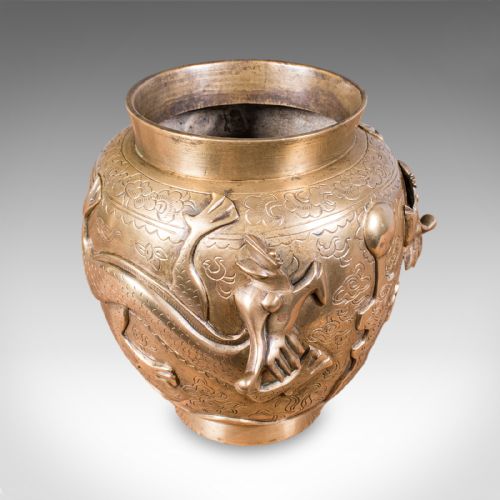
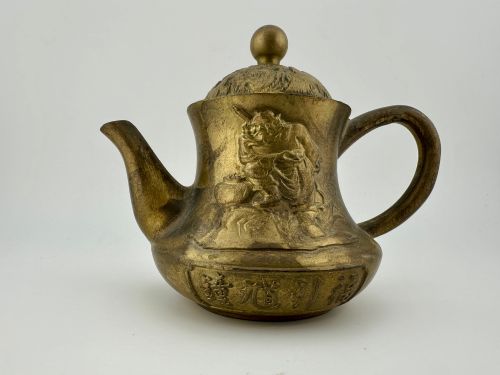
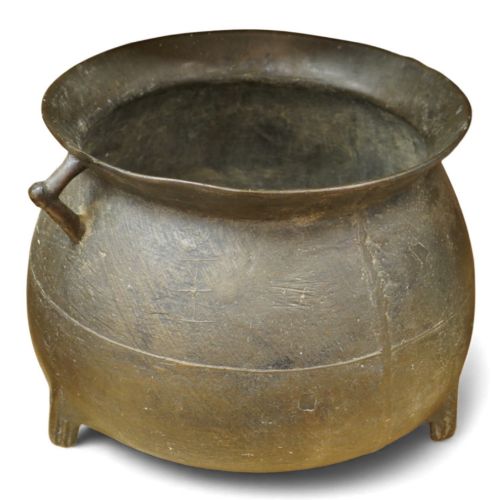
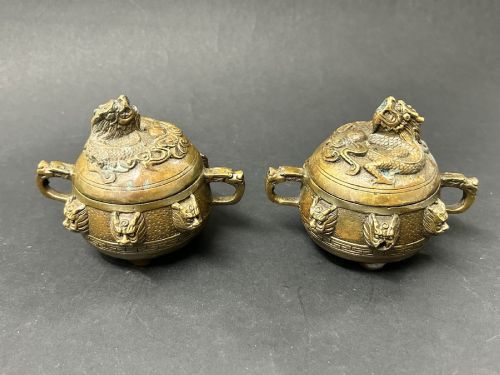
Vessels range from large riveted cauldrons designed for open fires to small repoussé vases and cachepots intended for refined reception rooms. Each piece carries the distinct marks of its period, whether through the hand-beaten texture of a French garden pot or the intricate cast dragon motifs of a Qing dynasty censer.
Materials and Fabrication
Copper and brass dominate the domestic and garden vessels, often shaped by hand hammering, riveting or casting into sturdy pans, buckets and kettles. Makers joined heavy copper sheets with visible rivets or folded seams, attaching brass handles with secure fixings to withstand daily kitchen or horticultural labour.
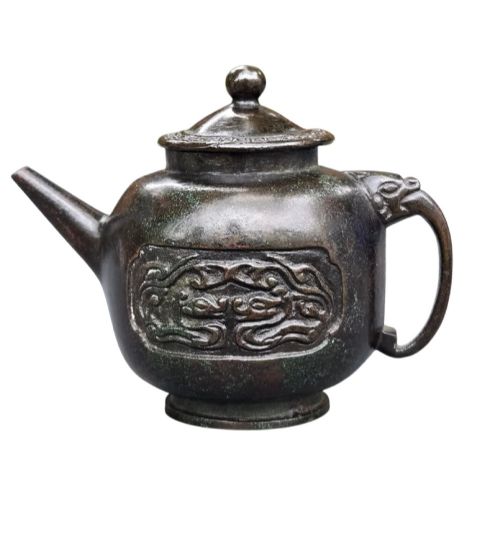
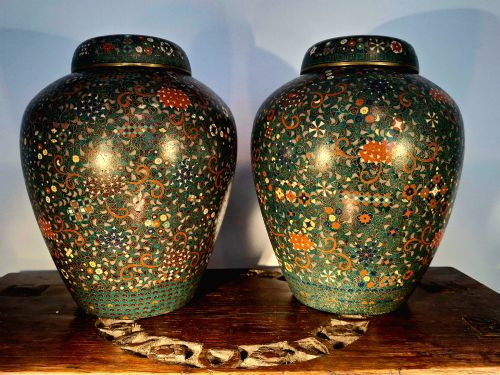
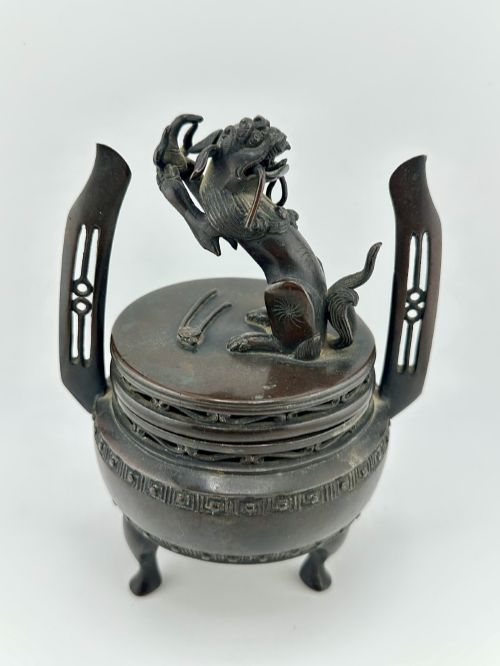
Bronze production utilised sophisticated casting techniques, including lost-wax methods and intricate champlevé enamelling, visible in ritual vessels and incense burners. Artisans inlaid coloured enamels into recessed bronze channels or applied detailed repoussé relief work to create textured panels of birds, blossoms and mythological beasts.
Some copper preserving pans bear the faint scars of nineteenth-century kitchen fires and vigorous stirring spoons.
Distinctions in Quality
Quality rests in the integrity of construction, the thickness of the metal sheet or casting, and the crispness of decorative detail. Superior domestic pans display heavy-gauge copper with smoothly turned rims and robust, well-fitted brass handles that indicate genuine utility rather than decorative imitation.
For cast and enamelled pieces, excellence appears in the precision of the champlevé work, the depth of the relief casting, and the preservation of the original surface patina. Pieces retaining clear historical marks, balanced proportions, and uncompromised structural joins stand apart from lesser utilitarian wares.
The Antique Metal Pot Glossary
- Censer
- A vessel designed for burning incense, typically manufactured in bronze with a pierced lid to release fragrance. These items frequently feature tripod supports and mythological handles.
- Jardiniere
- An ornamental pot or stand intended to hold growing plants or flowers. They appear in brass, copper, and cast iron across Victorian and Edwardian interiors.
- Champleve
- An enamelling technique where artists carve or cast depressed cells into a metal surface and fill them with vitrified paste before firing. This method produces vibrant coloured patterns on bronze bases.
- Repousse
- A metalworking technique where the artisan hammers the reverse of a sheet to form a raised design on the front. It creates tactile surface relief on vases and cachepots.
- Cachepot
- An ornamental outer pot used to conceal a plain flowerpot. These vessels often feature decorative handles or repoussé motifs suited for tabletop display.
Antique Metal Pot: Frequently Asked Questions
How do I clean an antique copper pot?
Maintenance depends on whether the object serves a decorative or culinary function. Many collectors prefer to leave an aged patina untouched, avoiding aggressive polishes that strip historical character.
For functional items, gentle cleaning with traditional pastes preserves the warm metallic glow without thinning the historic copper sheet.
Were these pots used for cooking?
Many large vessels, such as preserving pans and jam pans, were built specifically for heavy kitchen work over open flames. Their thick copper walls distributed heat evenly for sugar boiling and preserving fruit harvests.
Other pieces, like censers and cachepots, remained purely ritual or decorative from their creation.
How can I tell the age of a metal pot?
Dating relies on examining construction methods, tool marks, and material composition. Hand-beaten seams, early rivet styles, and specific alloy colours provide strong clues to whether a piece belongs to the Georgian, Victorian, or earlier periods.
Maker marks and reign stamps on Asian bronzes also offer precise chronological reference points.
Can I use an antique planter outdoors?
While cast iron and heavy bronze items withstand garden environments well, copper and brass vessels suffer from prolonged exposure to harsh weather and damp soil. Using an inner plastic pot protects the historic metal from direct moisture and mineral damage.
Sheltered garden displays or indoor placement ensure these vessels survive without accelerated corrosion.