



Antique Metal Pocket Case
An antique metal pocket case is a portable receptacle for carrying daily requisites, prized by collectors for its fine craftsmanship and historical utility.
Antique Metal Pocket Case
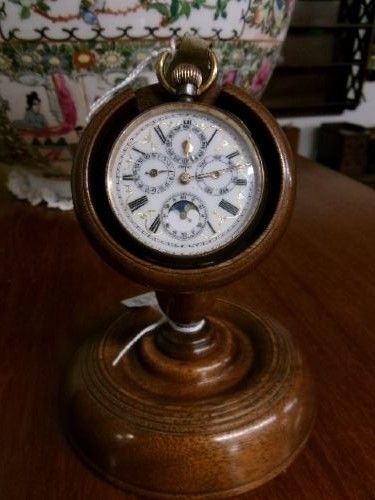
When searching for an antique metal pocket case, you encounter an assortment of small personal containers designed for portable utility. The selection spans cigarette and cigar cases, vesta cases, match safes, pocket watches, travel thermometers, and scientific instruments.
The versions most frequently met on this page date from the Victorian era through the Art Deco period of the 1930s. These pieces originate from British, Continental, Turkish, and Dutch makers, reflecting diverse regional aesthetics and personal habits.
Forms range from flat card and cigarette cases to mechanical pocket counters and cased travel instruments. Each item served a specific function in daily life, whether holding tobacco, keeping time, or measuring temperature.
How they were made
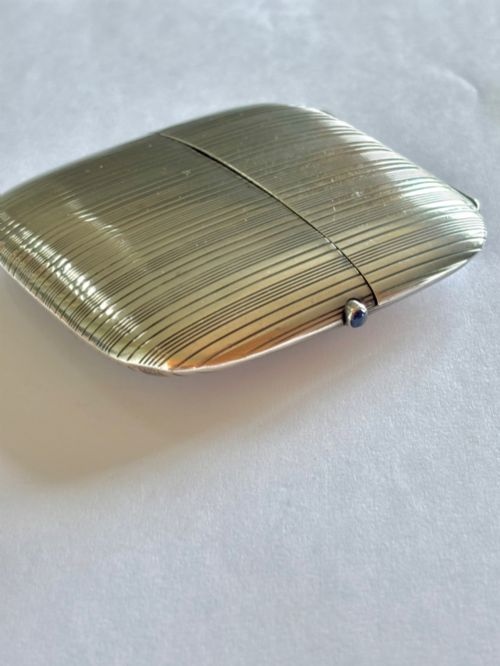
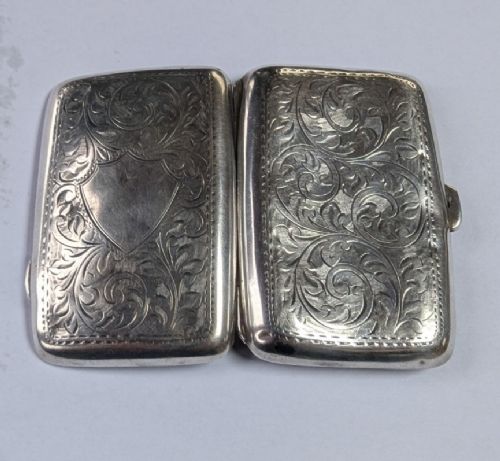
Many items are formed from sterling silver, silver gilt, gunmetal, or solid silver, occasionally paired with leather cases, glass components, or gemstone cabochons. Artisans utilised durable metals to protect delicate internal mechanisms and personal items carried in pockets.
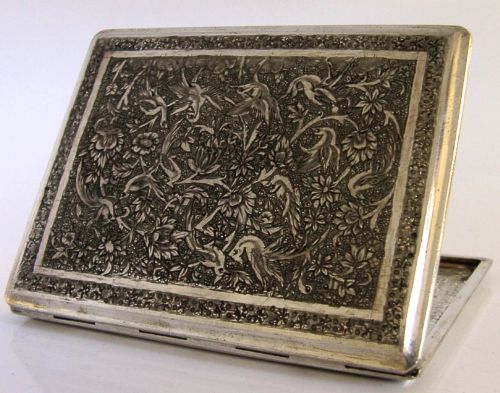
Surface decoration frequently incorporates enamel work, hand-engraved motifs, and distinctive structural forms associated with Victorian novelty and Art Deco design. Hinges, catches, and patent mechanisms required precise metalworking to ensure secure daily operation.
Antique Metal Pocket Case Retail Price Guide 2026
Typical asking prices for metal pocket case among the pieces listed under this phrase on Sellingantiques today, from the lower quarter to the upper quarter. They describe what is for sale here now, not the wider market.
Materials recorded across the inventory include sterling silver, leather, glass, gunmetal, enamel, and gemstone cabochons.
What varies in quality
Quality rests upon the crispness of the metalwork, the integrity of hinges and closures, and the sophistication of decorative elements such as enamel or cabochon stones. Superior pieces display harmonious proportions and careful execution by skilled silversmiths or instrument makers.
The inclusion of specialised functions, such as calendar moonface displays, patent revolution counters, or gilt interiors, separates standard utility items from more ambitious examples. Material purity, evidenced by hallmarks or stamps like .900 or 925, further distinguishes the tier of a piece.
Thomas Harris And Son
The Antique Metal Pocket Case Glossary
- Vesta case
- A small portable box designed to hold matches and keep them dry. These containers often feature a striking striation on the base for igniting safety matches.
- Silver gilt
- Silver that has been coated with a thin layer of gold on its surface. This technique provides the rich appearance of gold while utilising a silver base structure.
- Cabochon
- A gemstone shaped and polished with a smooth, rounded top rather than faceted edges. This cut is frequently seen adorning the clasps of Art Deco cases.
- Gunmetal
- A type of bronze alloy composed of copper, tin, and zinc, originally used in ordnance. It gained popularity for cased pocket watches and instruments due to its dark, durable finish.
- Match safe
- An alternative term for a vesta case used primarily in North America and Britain. These pieces were carried in pockets or attached to watch chains.
Antique Metal Pocket Case: Frequently Asked Questions
What fits inside an antique pocket case?
These containers held specific personal items depending on their form, such as cigarettes, cigars, calling cards, or matches. Some specialised housings protected delicate scientific instruments or pocket watches.
Items like travel thermometers and revolution counters served specialised measurement tasks rather than holding consumable goods.
How do I identify the period of a metal case?
Dating relies on stylistic clues, such as geometric Art Deco lines versus ornate Victorian engraving, alongside material choices. Maker marks, silver hallmarks, and patent dates stamped into the metal offer definitive chronological evidence.
Examining the construction methods of hinges and clasps also helps narrow down the era of manufacture.
Are these metal cases still practical to use today?
Many card and cigarette cases remain perfectly suited for modern business cards or slim items. Mechanical pieces like pocket watches or counters require careful handling and occasional professional servicing.
Collectors generally treat them as historical objects rather than items for rigorous daily pocket wear.
What materials were commonly used for these cases?
Sterling silver, solid silver, and gunmetal form the primary structural bodies of these pocket items. Exterior and interior details occasionally incorporate leather housings, glass panes, enamel accents, and gemstone cabochons.
Silver gilt finishes were also applied to add decorative warmth to the interior metal surfaces.