

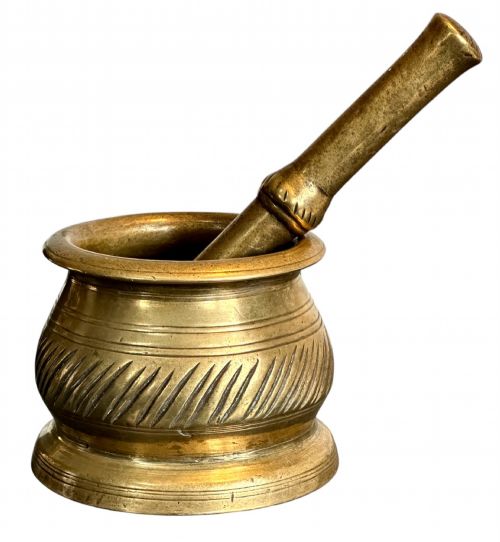


Antique Metal Pestle
An antique metal pestle grounds a kitchen or apothecary collection, offering tangible weight and centuries of daily utility.
Antique Metal Pestle
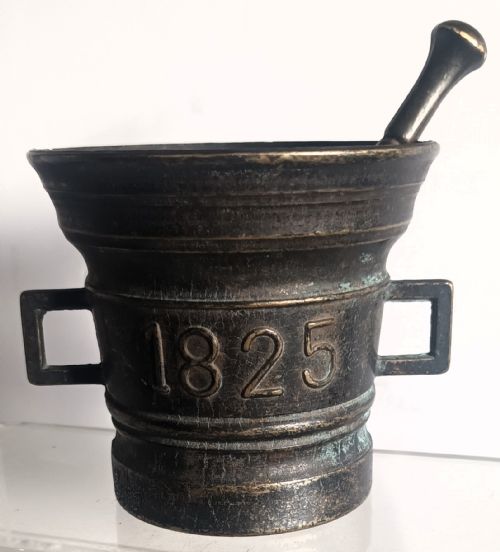
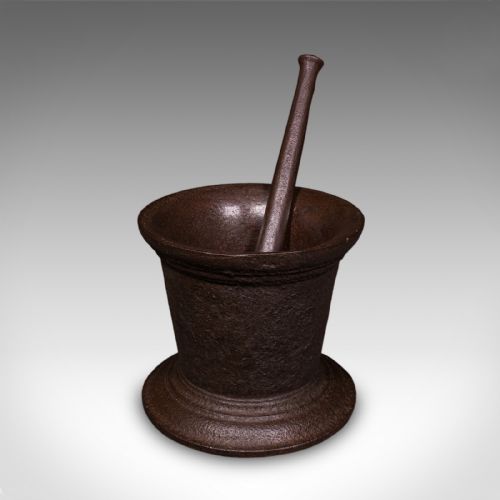
When searching for an antique metal pestle, buyers encounter heavy utilitarian grinders paired with matching vessels across domestic and medical contexts. These instruments span periods from the seventeenth century through the Victorian era, reflecting centuries of kitchen and apothecary preparation.
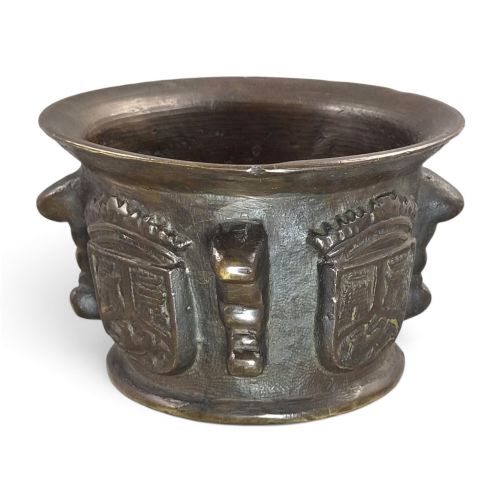
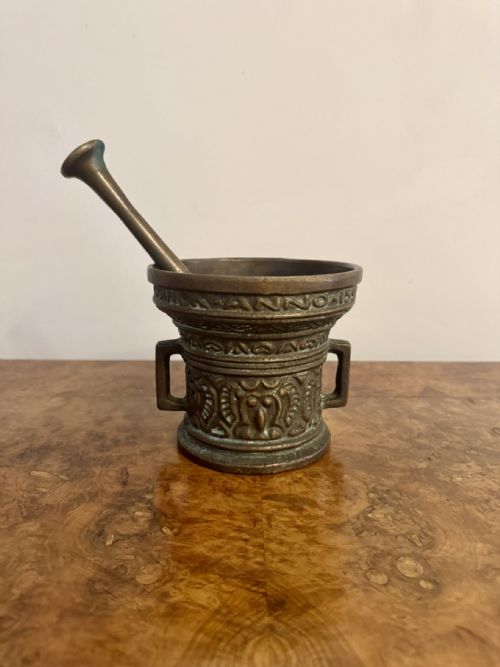
The most common form met on this page is the English bronze or brass mortar and pestle set dating from the Georgian period. Alongside these, Spanish Baroque and Gothic Revival examples appear in cast bronze, alongside dye maker industrial pieces and Indo-Persian variations.
Distinctions in execution and survival
Quality separates through the crispness of the cast decoration, such as heraldic arms or Tudor roses, against worn or plain surfaces. The thickness of the metal and the integrity of the matching pestle shaft also define the standard of the set.
Proportion and scale dictate the presence of the piece, ranging from diminutive apothecary aids to massive dye maker implements. Surface patination, from deep historical oxidation to polished brass, reflects the subsequent handling of the metal.
Antique Metal Pestle Retail Price Guide 2026
Typical asking prices for metal pestle among the pieces listed under this phrase on Sellingantiques today, from the lower quarter to the upper quarter. They describe what is for sale here now, not the wider market.
Listings span seventeenth-century examples to Victorian apothecary tools, predominantly cast in bronze, brass and iron.
The Antique Metal Pestle Glossary
- Pestle
- The heavy club-shaped tool used for pounding and grinding materials inside the mortar. Its ends are shaped to match the interior curve of the bowl.
- Bell metal
- An alloy of copper and tin traditionally used for casting bells, prized for its resonant density and strength in utilitarian vessels.
- Apothecary
- A historical practitioner who prepared and sold medicines, utilising metal mortars and pestles for compounding remedies.
- Patina
- The surface sheen and colour acquired by metal through age, handling and oxidation over centuries of use.
Antique Metal Pestle: Frequently Asked Questions
What were metal pestles used for?
These implements served domestic kitchens, dye makers and apothecary shops for crushing herbs, chemicals and food stuffs into powders or pastes.
The heavy weight of the metal allowed users to apply substantial force without damaging the vessel.
How do I date an antique pestle?
Dating relies on stylistic clues like Gothic Revival details, Tudor rose motifs, or Spanish Baroque crests, combined with metal composition such as cast bronze or brass.
Form changes from seventeenth-century flared shapes to later Victorian chemist designs help narrow the era of production.
Are pestles and mortars always sold together?
Many listings offer matched pairs that have survived together through centuries of domestic or apothecary service.
Individual pestles or mortars also appear separately when the original pairing has been lost or separated over time.
How should I clean a bronze pestle?
Maintenance generally requires preserving the aged surface patination rather than applying harsh modern metal polishes that strip historical character.
Gentle dusting with a dry cloth keeps the cast details clear without altering the natural oxidation of the bronze or brass.